
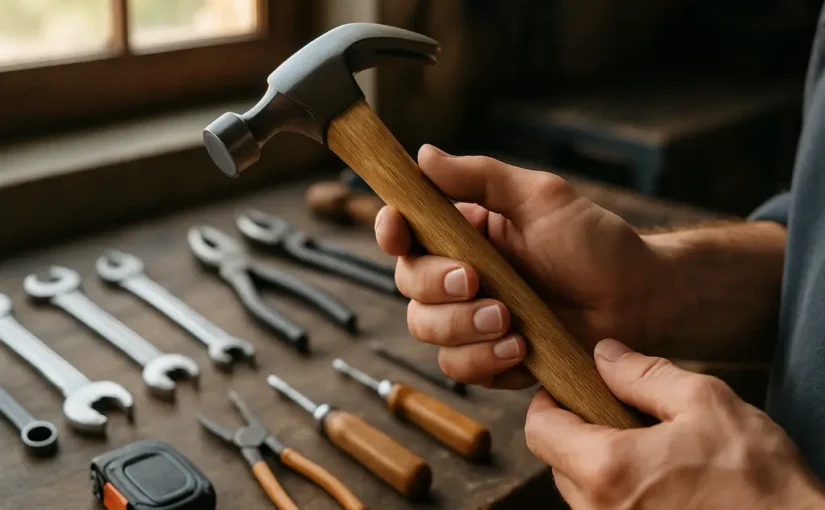
A careful plan for quality tools should start before a homeowner walks into a store or fills an online cart. As a designer of outdoor living spaces for villa homes, I see tool choices affect more than the task at hand: they influence safety, finish quality, project pacing, storage, and whether a homeowner should attempt the work at all.
The data supports a cautious approach. The Harvard Joint Center for Housing Studies reported that DIY projects accounted for 15.9% of aggregate homeowner improvement expenditures in 2023, down from about 25% during earlier remodeling booms Harvard housing report. That shift suggests many owners are already recognizing that some work belongs with trained trades. Good tool buying should fit that reality: buy for the projects you can perform safely, not for a fantasy version of your renovation skills.
Why Quality Tools Fit Safer Project Planning
Quality Tools Start With The Job Scope
Before comparing torque, blade size, battery voltage, or brand reputation, define the project category. Painting a pergola, assembling outdoor furniture, hanging light shelving, repairing trim, or maintaining a deck are very different from work involving electrical circuits, gas lines, structural framing, roofing, or major plumbing. The first group may suit a careful DIY owner with proper protective equipment and the manufacturer manual. The second group usually calls for licensed or qualified professionals.
Buying quality tools does not mean buying the most powerful item available. For homeowners, fit is usually the wiser standard. A compact drill that is comfortable, controllable, and compatible with a reliable battery platform may serve better than a larger tool that causes fatigue. The same applies to saws, sanders, and outdoor maintenance equipment. If the tool feels awkward in the hand during a short store test, it may feel worse after an hour of work.
Villa projects often blur indoor and outdoor needs. A patio storage wall, shade structure, or exterior seating area may look decorative, yet still involve fasteners, moisture exposure, masonry, or heavy materials. If a task affects waterproofing, load support, drainage, or code compliance, the tool purchase should not become a substitute for professional judgment.
Buying Criteria Before You Add To Cart
Battery Platforms And Warranties
Power tool systems should be evaluated as families, not single purchases. Batteries, chargers, and bare tools can tie a homeowner to one platform for years. Research notes from August 2026 showed that tool warranties and battery warranties often differed, with some tools covered longer than lithium-ion batteries. Since warranty terms change by brand, product line, and use category, verify the current written warranty before purchase and save proof of purchase in a project file.
Battery compatibility matters because repeat purchases can become expensive. A homeowner who buys one drill, then later adds a circular saw, string trimmer, or work light, may reduce charger clutter by staying within one system. That does not mean one brand is right for everyone. It means the first purchase should be treated as a platform decision.
Cost Per Use Beats Sticker Price
For rarely used tools, renting or borrowing may be more sensible than owning. For frequent tasks, calculate cost per use. A hand tool used monthly for repairs, planting structures, hardware adjustments, or seasonal exterior work earns its storage space. A specialty saw bought for one cut may not.
Cost of ownership should include blades, bits, sanding pads, batteries, chargers, storage, safety gear, and likely replacement. Cheap tools can be reasonable for a single low-risk task, but repeated replacement is not a bargain if the tool wears out, performs poorly, or encourages unsafe force. For core homeowner tasks, a mid-range tool with available parts, clear instructions, and a usable warranty is often the steadier choice.
- Match the tool to real projects: List the next five tasks you can safely perform before buying.
- Read the manual before use: If the safety instructions feel beyond your comfort level, reassess the project.
- Check battery terms: Confirm whether the battery warranty differs from the tool warranty.
- Plan storage: Moisture, dust, and heat can shorten the useful life of tools and batteries.
- Budget for protection: Eye, hearing, respiratory, and hand protection are part of the tool cost.
Safety Checks For Power Tools And Outdoor Work
Noise Exposure Is A Selection Factor
Noise is not a minor annoyance. NIOSH lists a recommended exposure limit of 85 A-weighted decibels averaged over an 8-hour workday CDC noise guidance. Many power tools can exceed levels that make hearing protection a practical necessity. Homeowners should compare noise ratings where available, wear suitable hearing protection, and limit exposure time rather than assuming a short DIY session is harmless.
Outdoor work can create a false sense of safety because dust and sound disperse. A grinder, saw, or blower still creates risk at the user’s ear, eye line, and breathing zone. For exterior villa spaces, I prefer tool plans that reduce exposure: pre-cut materials from suppliers where appropriate, dust collection where supported by the manufacturer, and quieter hand tools for small finish adjustments.
Tool choice also affects bystanders. Children, pets, neighbors, and guests should not be near active cutting, drilling, sanding, or trimming. If a project requires holding awkward materials, working above shoulder height, or standing on unstable ground, pause the work. The safer purchase may be a contractor visit, not a larger tool.
DIY Limits, Contractors, And Quality Tools
Hybrid Projects Need Clear Boundaries
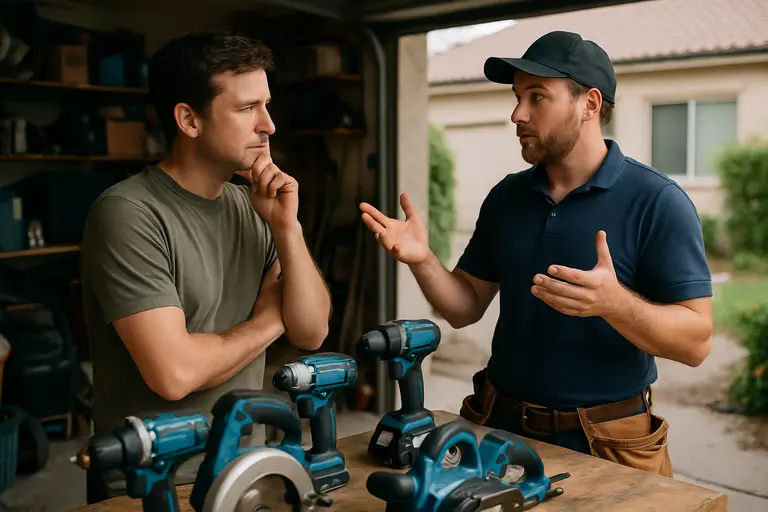
Many homeowners now split work between DIY and contractors. That approach can be sensible if the boundary is clear. For example, a homeowner might handle furniture assembly, staining a small bench, or installing planters, while a contractor handles deck ledger attachment, exterior electrical outlets, major drainage, or structural shade supports.
In that plan, quality tools help the homeowner complete the safe portion cleanly without drifting into higher-risk work. A good measuring tape, level, drill, clamps, respirator, and hearing protection can support careful finishing. They do not make a homeowner qualified to alter structural members or wire outdoor lighting circuits. For a deeper comparison of where to draw that line, this related article on DIY and professional repair decisions is worth reading before buying specialized equipment.
Homeowners should also ask contractors which preparatory tasks are acceptable. Some professionals welcome basic clearing, furniture removal, or finish selection. Others may prefer that the site remain untouched for liability, sequencing, or warranty reasons. Tool buying should follow that conversation, not precede it.
Storage, Maintenance, And Long-Term Fit
Care Habits Protect The Purchase
A tool that is neglected can become inaccurate or unsafe. Store tools dry, keep manuals, label chargers, and inspect cords, guards, blades, and batteries before use. Do not use damaged batteries or altered safety guards. If a tool requires repair, follow the manufacturer service instructions rather than improvising a fix.
Outdoor living projects often involve dust, damp surfaces, and seasonal storage. That makes cases, shelves, and battery organization more than a neatness issue. A clean storage plan helps a homeowner notice missing guards, dull blades, or swollen battery packs before work begins.
- Choose tools with manuals and replacement parts that are easy to find.
- Avoid buying used power tools unless condition, safety features, and battery health can be verified.
- Keep receipts and warranty documents in one folder.
- Retire tools that overheat, spark abnormally, vibrate unexpectedly, or no longer hold settings.
Quality Tools For Homeowner Project Value
Quality tools should support better decisions, not encourage bigger risks. The best purchase is the one that fits your actual project list, physical comfort, storage space, and safety knowledge. For villa homeowners planning outdoor rooms, patios, garden structures, or finish upgrades, the goal is a durable workflow: measure carefully, buy selectively, protect your body, and hire skilled help where the task crosses into regulated or hazardous work.
If a project begins to affect broader ownership plans, keep design choices and repair records organized. For general property context within the same network, Jimmy Guthrie Real Estate LLC provides a useful resource. Still, tool purchases should be judged first by safety, frequency of use, and whether the work is appropriate for DIY completion.
A homeowner does not need a garage full of equipment to maintain a polished villa setting. A smaller kit, chosen with restraint, often serves better: dependable measuring tools, a comfortable drill platform, hand tools that hold alignment, and protective gear used every time. That is how tool buying becomes part of responsible home care rather than another unfinished project on the shelf.