
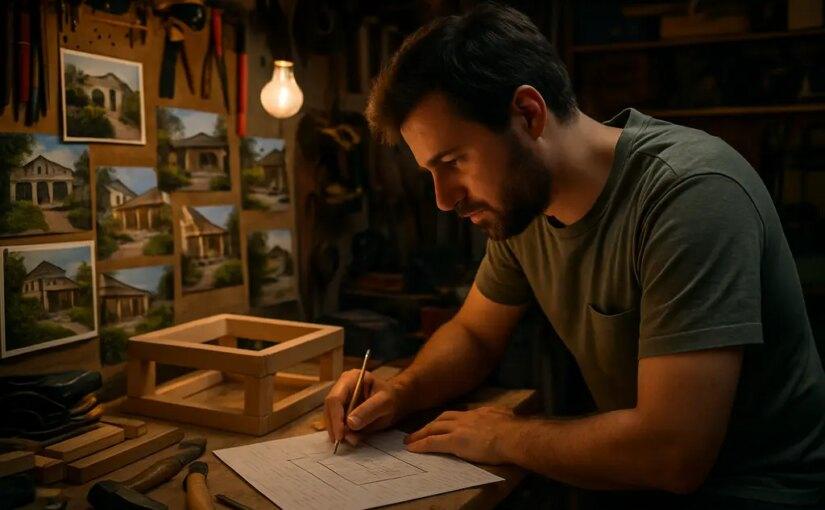
DIY Project Planning is no longer just a weekend checklist and a borrowed drill. For villa owners, it is a practical filter: which projects add comfort and polish, which ones can be handled safely, and which ones should move straight to a qualified professional. The goal is not to drain the pleasure from home improvement. It is to protect the house, the people using it, and the budget that was meant for better living rather than avoidable repairs.
A villa lifestyle depends on restraint as much as taste. A shaded terrace, tidy planting beds, repaired trim, refreshed hardware, and well-chosen outdoor furniture can improve daily use without major expense. Yet the same home may include high rooflines, heavy materials, outdoor power, drainage issues, gas appliances, and structural openings. Those are not confidence-building practice jobs. They are points where experience, permits, insurance, and inspection can matter.
DIY Project Planning Has Changed
What The Data Suggests
Homeowners still take pride in doing work themselves, but recent project behavior shows a clear willingness to bring in help. The Home Improvement Research Institute reported that in 2023 about 37% of U.S. homeowners hired a professional for all or part of a project, up from about 33% to 34% in 2021 and 2022. The same HIRI data showed that 91% of homeowners replacing a roof hired a professional, while only 9% treated roof replacement as DIY work HIRI homeowner data.
Those numbers do not mean every home task belongs to a contractor. They do suggest that homeowners are sorting projects by risk. Painting a powder room and replacing cabinet pulls sit in one category. Re-roofing, opening walls, working near electrical panels, changing gas lines, and correcting drainage near a foundation sit in another.
DIY Project Planning Risk Screen
A sound risk screen asks three questions before any tools come out. First, could a mistake injure someone during the work or after the work is finished? Second, could an error damage the building envelope, structure, wiring, plumbing, or ventilation? Third, would the project require a permit, inspection, or trade license in your local area? If the answer to any of those is yes or unclear, pause and seek professional advice.
This is where DIY Project Planning earns its keep. A cautious plan turns enthusiasm into a staged decision. You might design the patio furniture layout yourself, price materials, remove loose clutter, and gather inspiration photos. A contractor might then handle the footings, drainage, low-voltage design, or built-in gas feature if those apply. The homeowner stays involved without taking on hazards that belong to trained trades.
Projects That Usually Need A Pro
Roofs, Walls, And Core Systems
Roofing is an easy example because the stakes are clear. It combines fall risk, weatherproofing, flashing details, and warranty concerns. A roof failure can travel into insulation, ceilings, framing, and finishes before a homeowner sees the full damage. The HIRI roof-replacement figure reflects that most homeowners appear to recognize the risk.
Structural changes belong in the same caution category. Removing or altering a wall can affect load paths, floor movement, roof support, and future resale review. Homeowners can safely gather room measurements, list goals, and photograph existing conditions. They should not guess whether a wall carries load or cut into framing as a test.
Electrical panels, gas lines, major plumbing, HVAC equipment, and mold remediation also call for professional evaluation. This is not only about skill. These systems can affect fire safety, indoor air quality, carbon monoxide risk, water damage, and code compliance. A small visible task may connect to a system that is less forgiving behind the surface.
Outdoor Comfort Without Unsafe Shortcuts
Outdoor living is where many villa owners are tempted to stretch their DIY skills. The visual payoff is high: a dining terrace, a shaded lounge, a poolside path, or a garden room can feel luxurious without being wasteful. The safe division of labor is to keep homeowner work in the low-risk design and finishing zone.
DIY-friendly outdoor tasks may include arranging planters, selecting movable furniture, refreshing non-structural decor, assembling manufacturer-approved freestanding pieces, or testing furniture layouts with tape and temporary markers. Work becomes less suitable for DIY when it involves hardwired lighting, permanent shade structures, retaining walls, elevated decks, gas fire features, pool-adjacent electrical work, or drainage changes near the home.
For owners comparing contractor scope with homeowner tasks, a related planning piece on DIY versus professional repair can help frame the decision before bids are requested.
Budget Signals In DIY Project Planning

Repairing A Failed DIY Attempt
The apparent savings of DIY work can disappear if the project has to be corrected. A professional who is asked to fix a partial job may need to remove materials, inspect hidden conditions, reorder parts, and rebuild from a safer starting point. That sequence can cost more than hiring help earlier, especially where water, power, structure, or exterior sealing is involved.
A practical villa budget should include three lines: the homeowner portion, the professional portion, and a contingency for discovery. The homeowner portion can cover design time, finish samples, small tools, and low-risk labor. The professional portion should cover licensed or insured work. The contingency should not be treated as spare decorating money until the riskier phase is complete.
Tools, Skill, And Time
Tool ownership is not the same as readiness. A saw, grinder, nailer, or ladder can be appropriate in trained hands and risky in a rushed weekend setting. A study of home workshop equipment injuries covering 2010 to 2019 found upper-extremity injuries declined from about 168,795 in 2010 to about 147,584 in 2019, while males were 6 to 13 times more likely than females to be injured workshop injury study. The decline is encouraging, but the injury count still argues for caution.
Before buying equipment, price the full need: tool, blade or bit, battery platform, clamps, dust control, hearing and eye protection, storage, and learning time. If a tool will be used once for a high-risk task, renting with training or hiring a professional may be the more rational choice. For low-risk equipment comparisons and project supplies, homeowners sometimes use resources such as home project tools to understand categories before deciding whether the work should be DIY at all.
- Good DIY candidates: cosmetic, reversible, ground-level, non-structural tasks with clear manufacturer instructions.
- Pause and verify: tasks involving moisture control, exterior penetrations, heavy materials, tall ladders, or unknown wall contents.
- Hire a pro: roofing, structural changes, electrical panels, gas work, major plumbing, HVAC, mold remediation, and permitted work.
DIY Project Planning For Safer Villa Projects
A Practical Decision Sequence
DIY Project Planning works best when it starts with scope, not shopping. Write the desired result in plain language: “create a shaded outdoor dining area for six,” or “refresh the guest suite without moving plumbing.” Then separate appearance from infrastructure. Appearance may include color, furniture, planting style, and accessories. Infrastructure may include drainage, wiring, framing, waterproofing, ventilation, or roof attachment.
Next, mark every task as DIY, professional, or undecided. The undecided group deserves the most attention. Ask whether a failed attempt could create water entry, fire risk, structural movement, unsafe steps, poor air quality, or a code problem. If yes, move it to the professional column and adjust the budget early rather than after demolition.
For villa owners, the smartest projects often combine personal taste with professional boundaries. You can choose the terrace mood, the planting rhythm, the lantern style, and the dining layout. Let trained trades handle the systems that keep those choices safe. That balance keeps the home gracious, functional, and less likely to demand expensive correction later.