
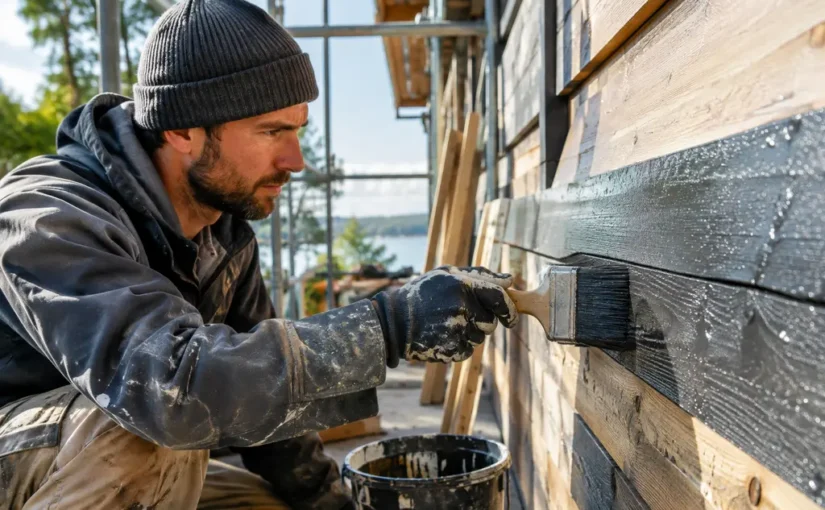
Durable Exterior Materials are drawing more attention because exterior projects are no longer judged by appearance alone. Homeowners are weighing weather exposure, maintenance, energy performance, fire concerns, and repair risk before committing to siding, roofing, trim, or cladding. That shift is sensible, but it also calls for caution: a stronger product on paper can still fail if the wall assembly, flashing, ventilation, or installation quality is wrong.
Recent market reports point in the same direction. Demand is rising for cladding, roofing, weatherization products, and low-maintenance finishes. For a homeowner, the useful question is not simply which material is trending. The better question is which exterior system fits the house, climate, budget, and available professional support.
Why Durable Exterior Materials Are Gaining Share
Durable Exterior Materials In Market Reports
The U.S. cladding systems market was valued at USD 28.6 billion in 2025 and is projected to reach USD 52.8 billion by 2035, with a 6.4% CAGR from 2026 to 2035, according to the U.S. cladding systems market report. The same research notes durable materials such as metal and fiber cement as leaders in this growth. That does not mean every home should use those products, but it does show that builders and owners are placing higher value on exterior assemblies expected to last longer and need less frequent replacement.
Exterior renovation data also shows a practical focus on the building envelope. A 2026 Houzz report found that 51% of exterior renovation projects included roofing upgrades, up 7 percentage points from 2024; asphalt 3-tab shingles were used in 32% of roofing projects, while metal roofing accounted for 14%, according to Houzz exterior remodeling trends. Roofing is not decorative trim. It is a weather-control system, and its popularity in renovation scopes suggests owners are prioritizing protection as much as curb appeal.
What The Demand Signal Means For Homeowners
Durability demand can be read in several ways. Some homeowners are trying to reduce repainting, rot repairs, or storm-related damage. Others are responding to higher labor costs by choosing materials that may reduce future service calls. Reports from 2026 also point to interest in low-maintenance exterior materials, fire-resistive design, energy efficiency, alternative trim products, waterproofing membranes, insulation, windows, doors, and skylights. These categories share a common theme: the exterior is being treated as a performance system, not a surface treatment.
Still, “durable” is not a single material property. It can mean impact resistance, moisture tolerance, color stability, dimensional stability, fire performance, corrosion resistance, or reduced maintenance. A product can be strong in one category and vulnerable in another. Fiber cement may suit one wall design; metal may suit another; vinyl, stucco, or alternative trim may be appropriate depending on exposure, detailing, and budget. The homeowner’s task is to match the claim to the actual risk.
How To Choose Durable Exterior Materials By Assembly
Siding, Cladding, And Trim
For siding and cladding, start with water management. Durable siding attached over poor flashing, missing drainage space, or damaged sheathing can hide problems until repairs become expensive. A careful contractor should be able to explain how the wall drains, how openings are flashed, and how the manufacturer’s installation requirements will be followed. Homeowners can compare products, request samples, review warranties, and inspect visible mockups, but wall reconstruction and multi-story installation are usually professional work.
Durable Exterior Materials should also be judged by the trim package. Research from 2025 found that alternative exterior trim materials reached 51% of total U.S. residential exterior trim volume, surpassing wood and vinyl for the first time, with alternative trim demand increasing 89% over the prior decade. That trend is worth watching because trim often fails before broad wall areas. Window surrounds, fascia, corners, and door casings take concentrated moisture and sun exposure. If the trim choice is weak, the siding choice may not rescue the project.
Roofing, Openings, And Weatherization
Roofing, windows, doors, skylights, insulation, and weatherization products sit in a higher-risk category than cosmetic upgrades. They affect water control, air leakage, indoor comfort, and, in some cases, structural connections. DIY inspection from the ground can be useful for spotting missing shingles, cracked trim, or peeling sealants, but roof work, high ladder work, skylight replacement, and exterior waterproofing should be handled by qualified professionals. Falls, hidden rot, and improper flashing are not acceptable tradeoffs for saving labor cost.
For homeowners comparing product bids, ask each contractor to separate material cost, labor, disposal, substrate repair allowances, and warranty terms. A lower bid may exclude damaged sheathing, trim replacement, or weather barrier repairs. A higher bid may include better prep or a stronger installation warranty. For broader material planning, this site’s discussion of low-maintenance outdoor materials can help frame durability as a lifecycle question rather than a single purchase decision.
Cost, Maintenance, And Project Risk
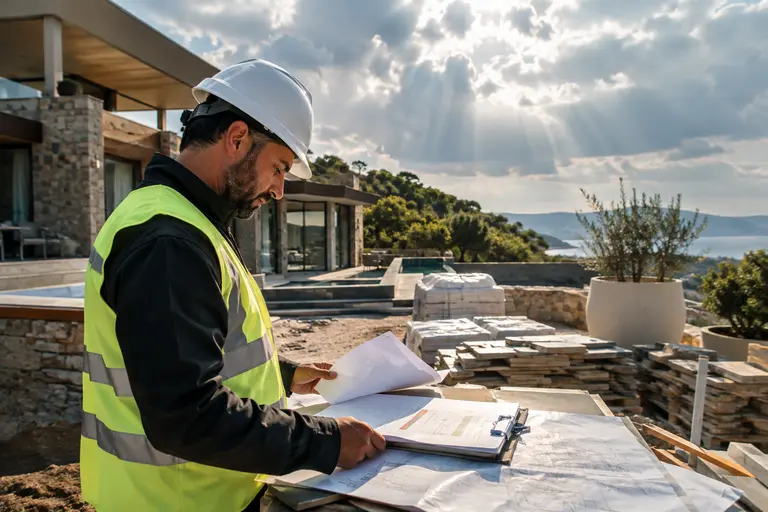
Reading Cost Beyond The First Invoice
Durability is often discussed as if it automatically saves money, but that is too broad. A more durable product may cost more at purchase and may require specialized labor. It may also need compatible fasteners, coatings, underlayments, or accessories. The fair comparison is lifecycle value: expected maintenance, repair frequency, repainting intervals, vulnerability to moisture, and how hard the material is to replace later.
The ProVia/Endeavor Media State of the Market Study from August 11, 2026 reported that builders and remodelers ranked durability, performance, and long-term value above cost when choosing siding, roofing, windows, and doors. That finding fits what many homeowners experience during planning: the cheapest exterior choice is not always the least expensive once labor, access, repairs, and future maintenance are counted.
Where DIY Fits And Where It Does Not
Homeowners can safely contribute by documenting existing damage, collecting product data sheets, comparing maintenance requirements, and asking contractors how details will be handled at corners, penetrations, roof edges, and window openings. Painting accessible trim, replacing small decorative elements, or cleaning siding may be reasonable DIY tasks if the work can be done from stable ground and the product instructions are followed.
Higher-risk work belongs with trained trades. That includes roofing, structural sheathing repair, cladding replacement above the first story, waterproofing membranes, fire-resistive assemblies, and any work that exposes wiring, gas lines, or major plumbing. For homeowners planning a larger exterior scope, it can help to review builder project examples and communication practices from related professionals such as those found with J. Siemering Homes, then use that perspective when interviewing local contractors.
- Ask what problem the material solves: moisture, heat, impact, fire exposure, fading, or maintenance.
- Check system compatibility: siding, trim, fasteners, flashing, underlayment, and coatings must work together.
- Set DIY boundaries early: avoid roof, ladder, waterproofing, and structural tasks unless qualified.
- Compare lifecycle value: include maintenance, repair access, labor, and warranty limitations.
Durable Exterior Materials Demand In Practice
A Practical Selection Sequence
Durable Exterior Materials are best selected in a sequence, not as isolated samples. First, identify the exposure risks: sun, wind-driven rain, freeze-thaw cycles, wildfire concerns, coastal corrosion, or heavy shade. Next, review the condition of the existing envelope. If sheathing, flashing, or roof edges are failing, material selection should wait until the repair scope is clear. Then compare products using manufacturer documents, contractor experience, and realistic maintenance expectations.
For design, keep the palette disciplined. A durable exterior does not require every new product category at once. A sound roof, reliable water management, stable trim, and compatible siding usually matter more than visual variety. Use more expensive materials where exposure or visibility justifies them, and avoid putting premium cladding over unresolved moisture issues.
The demand trend is useful because it confirms a shift toward performance-minded renovation. It should not pressure homeowners into overspending or accepting broad claims. The safer path is to define the risk, choose a compatible system, hire professionals for high-risk work, and reserve DIY effort for planning, documentation, maintenance, and low-height tasks that do not compromise the building envelope.