
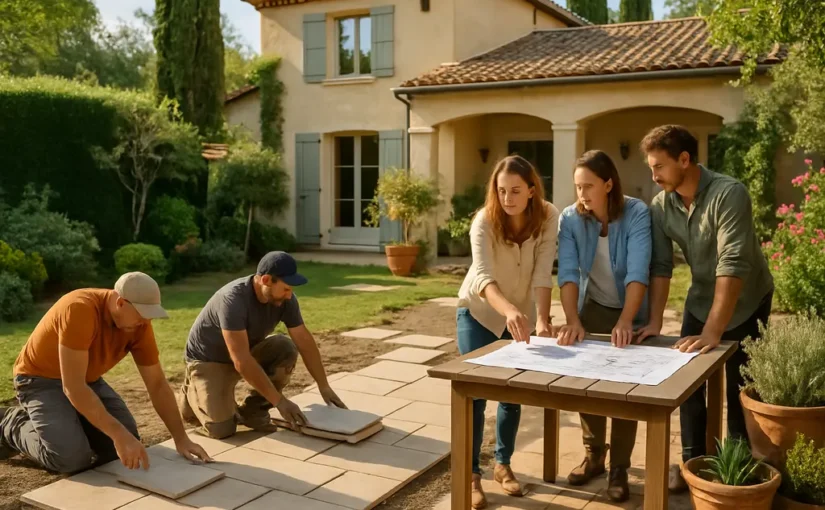
Outdoor Renovation Pros are no longer reserved for only the most technical villa projects. The available 2025 and 2026 data points to a measurable shift: homeowners are using professional help more often for exterior living areas, structures, paving, planting plans, and related outdoor upgrades. Houzz reported that 71% of homeowners who had recently completed, were planning, or were working on outdoor renovations hired a professional, up from 65% in 2024, according to Houzz outdoor trends data.
For villa owners, this shift is less about status and more about risk control. Outdoor work often looks simple from the patio door, then becomes technical once grading, drainage, structural loads, lighting, masonry, permits, and weather exposure enter the picture. A poorly set paver field may be annoying. A poorly framed shade structure, unsafe stair, or improvised electrical run can become a safety problem. The better question is not whether every task needs a contractor. It is which parts of the project deserve professional judgment before money is spent.
What The Hiring Data Says For Villa Owners
Outdoor Renovation Pros In The Numbers
The rise in professional hiring is not isolated to outdoor work. Statista reported that, for 2025 renovation projects across interior and exterior categories, 41% of U.S. homeowners used a construction professional, while 22% used design-related professional services such as architects or designers, based on Statista renovation hiring data. That does not prove every homeowner needs the same level of help, but it does show that professional involvement has become a common part of renovation planning.
Villa exteriors tend to magnify this pattern because the work is exposed. Sun, wind, rain, irrigation overspray, freeze-thaw cycles in some regions, salt air in coastal areas, and heavy foot traffic all test outdoor materials. A villa patio, garden wall, deck, pergola, outdoor kitchen, or pool-adjacent seating area must do more than photograph well. It must shed water, resist movement, allow safe access, and remain serviceable.
Structural Work Is A Key Signal
One reason hiring has increased is that outdoor projects are less likely to be only decorative. Houzz reported that 56% of homeowners in its 2026 outdoor study took on structural outdoor projects, including decks, shade structures, and porches. That type of work raises the risk profile. Structural projects call for correct load assumptions, suitable connections, safe footings, code-aware detailing, and inspections where required. Homeowners can still make design decisions, compare materials, and manage budgets, but the technical portion should not be treated like a weekend furniture assembly.
There is also a coordination issue. A new patio can affect drainage. A covered cooking area may trigger ventilation, fire-clearance, gas, or electrical concerns. Low-voltage lighting may seem modest, but fixture placement, transformer capacity, burial depth, and weather-rated components still matter. If one trade works without awareness of the others, the finished exterior can become harder to maintain and more expensive to correct.
Why Professional Help Is Rising Outdoors
Projects Are More Connected Than They Look
A villa exterior is a chain of small decisions. Change the patio elevation, and the door threshold may need attention. Add built-in seating, and circulation paths can shrink. Install a shade feature, and wind exposure becomes part of the design conversation. Shift planting beds, and irrigation can affect walls, paving, and foundations. Outdoor projects often begin as comfort upgrades, but the best results depend on how those pieces fit together.
For villa owners, Outdoor Renovation Pros can help identify conflicts before installation. That does not mean handing over every decision. It means using the right expertise at the right point: design review before ordering materials, structural input before posts are placed, and trade coordination before finishes lock in the layout. A homeowner who wants broader construction perspective can also compare related planning approaches through a custom home planning perspective, especially when exterior upgrades touch the main building envelope.
Safety Boundaries Are Becoming Clearer
Some exterior tasks remain reasonable for careful DIY work: assembling freestanding furniture, planting small beds, spreading mulch, repainting a detached planter, or replacing loose non-structural accessories. These jobs still require basic protective equipment and manufacturer instructions, but they do not usually involve structural, electrical, gas, or major drainage risk.
Other tasks deserve professional review or direct professional work. Deck framing, balcony repairs, retaining walls, exterior stairs, overhead shade structures, gas lines, fixed outdoor kitchens, hardwired lighting, major grading, drainage near the house, and work at height all carry consequences beyond appearance. Homeowners should also check local permit requirements before work begins. Permit rules vary, so this is not a place for assumptions or advice copied from another city.
How To Decide DIY Versus Hiring
Keep DIY Work Within Inspectable Limits
A practical DIY boundary is this: if a mistake can be seen, reached, and corrected without opening walls, lifting heavy structural members, disturbing utilities, or creating a fall hazard, the work may be a candidate for a careful homeowner. If the mistake would be hidden under paving, inside a wall, behind cladding, beneath a deck, or connected to power, water, gas, or load-bearing components, pause and price professional help.
This is not a criticism of capable homeowners. Many villa owners have good taste, patience, and tool discipline. The issue is consequence. A crooked planter edge is a nuisance. A poorly drained patio that directs water toward the villa can lead to far more serious repairs. A light fixture chosen without the proper exterior rating may fail early or create a hazard. Good project planning separates satisfying DIY work from tasks where confidence is not enough.
Use A Short Risk Screen Before Starting
- Structure: Does the project support people, roofing, railings, walls, or overhead elements?
- Utilities: Will it involve electrical, gas, plumbing, irrigation controls, or drainage tie-ins?
- Water: Could the work direct runoff toward the villa or trap moisture against exterior walls?
- Access: Does it require ladders, roof edges, excavation, heavy lifting, or power tools beyond your training?
- Permits: Could local rules require drawings, inspections, licensed trades, or setbacks?
If two or more answers raise concern, the project should be reviewed by a qualified professional before work starts. For a deeper discussion of risk and scope control, the site’s related article on safer villa project planning pairs well with this decision process.
Budget Discipline With Outdoor Renovation Pros
Define The Scope Before Asking For Prices
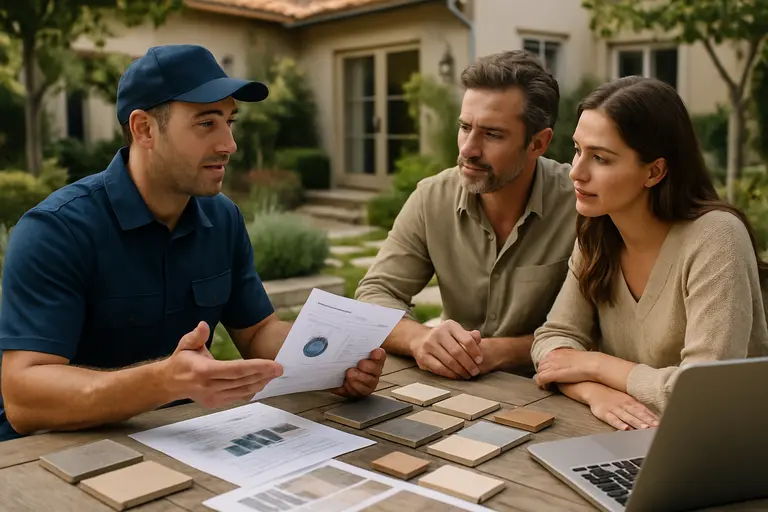
Hiring help does not remove the need for budget discipline. In fact, unclear scope can make professional work more expensive. Before requesting estimates, write down the intended project area, desired functions, known problems, materials under consideration, access limits, and any existing concerns such as standing water, cracked paving, unstable railings, or failing exterior finishes. Photos, rough measurements, and a priority list can help contractors respond with fewer assumptions.
Outdoor Renovation Pros can make better recommendations when the owner is clear about the goal. For example, “add a patio” is vague. “Create a shaded dining area for six people without directing water toward the rear doors” gives the professional something testable. The second version can lead to questions about slope, surface texture, drainage, shade location, furniture clearances, lighting, and maintenance.
Compare More Than The Total Price
Villa owners should compare proposals by scope, exclusions, materials, warranties, timeline, cleanup responsibilities, and change-order process. A lower price may simply omit demolition, drainage correction, base preparation, sealing, permit handling, or repair of disturbed areas. Ask who will perform the work, whether subcontractors are involved, and how site protection will be handled. For occupied villas, dust, access, pets, children, pool safety, and parking can be practical concerns, not minor details.
Payment schedules should be tied to clear milestones rather than vague promises. Homeowners should avoid large informal cash arrangements, verify licensing where applicable, and request proof of insurance. This is not legal or financial advice; it is basic risk reduction. The more permanent the work, the more documentation matters.
Professional Help In Outdoor Project Renovations
A Practical Reading For Villa Owners
The rise of professional hiring in outdoor projects appears to reflect a sensible response to more technical exterior living plans. Homeowners still have room for DIY work, especially in styling, planting, furniture, minor maintenance, and simple non-structural updates. Yet the data suggests that many owners now recognize where outdoor work crosses into trades, design coordination, or safety-sensitive construction.
Outdoor Renovation Pros are most useful when they are brought in early enough to shape the plan, not just rescue it. For villa owners, the practical path is to define the experience you want, screen the risks honestly, hire licensed or qualified help where the consequences are high, and keep DIY energy focused on work that can be done safely and corrected without damage. That approach protects the villa, the budget, and the people who use the outdoor space.