

Forget the Hanging Gardens of Babylon. Today, we turn empty, hot roofs into green spaces. It’s not just about adding plants. We’re creating a living machine that works.
Forget simple ideas of lawns on roofs. Modern roof gardens are complex systems. They’re not just pretty; they cool buildings, catch rainwater, and combat heat, one square foot at a time.
This guide is your roadmap to the sky. We’re leaving the concrete jungle behind. We’re building a new world, right above us.
Benefits: cooling, biodiversity, view value, privacy
Forget the manicured lawn; the new status symbol is a green roof. It turns a barren, heat-radiating surface into a living, breathing asset. This isn’t just gardening in the sky—it’s a strategic, multi-layered investment.
It pays dividends for your wallet, your well-being, and your local ecosystem. Let’s talk about the real return on investment. We’re talking about a return on insulation, a return on biodiversity, and a return on rooftop serenity.
First, the practical magic: cooling. A conventional roof bakes in the sun, turning your top floor into an oven. A green roof acts like a natural air conditioner.
The soil and plants absorb solar radiation and cool the air around them. This isn’t just a theory; it can lower the temperature of the roof membrane by up to 30-40°F. Your building’s energy use for cooling can drop significantly.
But a green roof is more than a swamp cooler for your house. It’s a biodiversity booster. In a world of shrinking habitats, your roof can become a sanctuary.
Native sedums, wildflowers, and grasses offer pollen and nectar for bees, butterflies, and other pollinators. You’re not just building a garden; you’re building a life raft for local ecosystems right above your head.
Then there’s the view. The view value of a green roof is a double win. For you, it transforms a wasteland of shingles or tiles into a private oasis—a sanctuary with a view.
For the world looking at your property, it’s a visual amenity that softens the hard lines of a building. It can significantly boost property value. A well-maintained green roof is an aesthetic and financial asset, making your property stand out in the market.
This leads to the final, often underrated benefit: privacy. In dense urban or suburban settings, a rooftop garden creates a natural screen. It turns a previously exposed perch into a secluded retreat, shielding you from neighboring windows.
So, how do you choose your sky-high ecosystem? This is where the intensive vs. extensive debate comes in. It’s not about which is better, but which is better for you.
- Extensive Green Roofs: The “low and slow” approach. Think shallow soil (2 to 6 inches), drought-tolerant plants like sedums and mosses, and minimal maintenance. It’s a lightweight, low-cost way to get the core benefits—cooling, stormwater management, and a habitat boost—without a heavy structural lift. Think of it as a rooftop meadow.
- Intensive Green Roofs: The “rooftop park” model. This is a full-scale garden with deeper soil, shrubs, perennials, and even small trees. It requires a stronger structure, more soil, and more maintenance, but it creates a true accessible garden space. This is your return on insouciance—a full-blown garden party in the sky.
The data backs the benefits. Studies show green roofs can reduce energy costs for cooling, manage stormwater by absorbing and slowing runoff, and extend the life of the roof membrane. The result? A system that manages stormwater, creates wildlife habitats, and increases property value. Whether you choose a low-maintenance extensive mat of greenery or an intensive rooftop Eden, you’re investing in a living, functional, and beautiful asset.
Structure first: load calculations, wind, guardrails, access
Before we dive into the beauty of rooftop gardens, let’s talk about the basics. The structure is like the bassist of the band, providing a solid foundation. It’s not just about adding plants; it’s a complex engineering task. The stakes are high, and failure could mean a lot more than just a wilted plant.
When you add weight to your roof, you’re creating a living system. We must figure out the dead load (the weight of the structure, soil, and plants) and the live load (people, furniture, and unexpected rain). A cubic foot of wet soil can weigh over 100 pounds. Getting this wrong isn’t just a gardening mistake; it’s a serious engineering issue.
The Invisible Force: Conquering Wind Uplift
Forget about gentle breezes. We’re dealing with wind uplift, a force that can turn your plants into a magic carpet. On sloped or high-rise roofs, this is a must. We calculate the wind uplift pressure based on your building’s height, location, and exposure.
This isn’t just about keeping plants in place; it’s about the entire system staying attached during storms. Your structural engineer will make sure the roof can handle these forces. This is where they earn their fee.
More Than a View: Safety and Access
A beautiful garden is useless if you can’t get to it or if it’s dangerous. This isn’t a flower bed you can just walk by.
Guardrails: Your Non-Negotiable Safety Net
Local building codes are not suggestions; they’re the law. Guardrails are essential for safety, not just for looks. They must be strong, meet height and load requirements, and be permanent.
Permanent, Safe Access
A rickety ladder and a prayer won’t do. You need a safe, code-compliant way to access your garden. This is for your safety and the safety of others. It makes your garden a useful amenity, not a hazard.
Structural Considerations at a Glance
| Roof Type | Typical Load Capacity (PSF) | Considerations for Garden | Wind Uplift Resistance |
|---|---|---|---|
| Concrete Slab (Commercial) | 50-100 PSF | Excellent base for intensive gardens with deeper soil | High |
| Steel Joist (with metal deck) | 20-40 PSF | Requires careful load distribution, often for lightweight “extensive” green roofs | Requires specific attachment details |
| Wood Frame (Residential) | 30-50 PSF | Must account for live loads (people, furniture) and soil saturation | Moderate; requires careful wind uplift calculations |
This table is more than just a chart; it’s a reality check. Before you dream of a rooftop garden, understand what’s holding it up. The structure is the foundation, and getting it right is the first step to creating your rooftop paradise.
Layer cake: membrane, protection/root barrier, insulation, drainage, soil build-up
Forget everything you know about baking; the most important layer cake you’ll ever build isn’t in the kitchen—it’s on your roof. Building a green roof is not gardening; it’s engineering. It’s like a five-star meal for your building’s health, with each layer playing a vital role.
Each layer has a specific job, from the waterproofing sentinel at the bottom to the living, breathing ecosystem on top. If you miss a layer, the whole system fails.
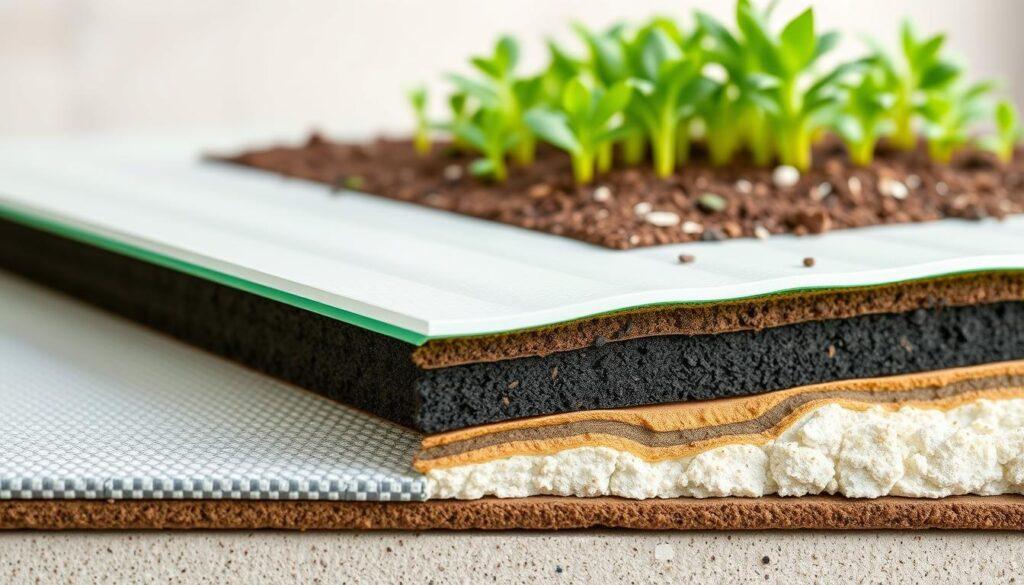
- The Impermeable Foundation: The Waterproof Membrane
This is the non-negotiable base. It’s your building’s last line of defense, a seamless, root-resistant barrier that keeps the elements where they belong—outside. For a masterclass in proper installation, consult the Monolithic Membrane Installation Guide. It’s the single most critical layer—get this wrong, and nothing else matters. - The Bouncer: Root & Protection Course
Directly atop the membrane sits a protection board. This layer is the nightclub bouncer of the roof, shielding the delicate membrane from sharp aggregate and, more importantly, from the Terminator-like persistence of plant roots trying to poke through. It’s the unsung hero that takes the hits. - The Insulation Sandwich
Next, a rigid insulation board. This isn’t just for energy efficiency (though that’s a huge perk). It also provides a stable, even, and sloped plane, ensuring water flows where it’s supposed to, not where it wants to pool. - The Conductor: The Drainage/Retention Layer
This is the maestro of moisture. Often a drainage mat, this is the multi-tasking hero. It’s not just a drain; it’s a reservoir. Its dimpled or studded design creates a gap for excess stormwater to flow away quickly, preventing a rooftop bog. But its genius is in the retention. It holds a strategic reserve of water in its cavities, creating a capillary reservoir that the soil and plants can draw from during dry spells. It’s the system’s circulatory system. - The Filter Fabric
This is the bouncer at the soil club. This geotextile fabric sits atop the drainage layer, allowing water to pass through while holding the soil and fine particles in place. Without it, your growing medium would slowly wash away, clogging the drainage mat and turning your roof into a mudslide waiting to happen. - The Grand Finale: The Growing Medium
This is the “soil” (it’s a special engineered mix, not just dirt). This is where the magic you actually see happens. Its depth and composition are dictated by what you want to grow—from a thin, lightweight “extensive” system for sedums to a deep “intensive” system for shrubs.
The true magic isn’t in any single layer, but in their synergy. The drainage mat works with the filter fabric to manage the Goldilocks of moisture: not too much, not too little. The membrane and root barrier form an impenetrable fortress. This isn’t a garden. It’s a precisely engineered, living, breathing machine. Your roof is no longer just a roof; it’s a meticulously crafted, multi-layered ecosystem.
Planting palettes for hot climates: Mediterranean herbs, succulents, native grasses
Choosing plants for a rooftop in hot climates is tough. It’s like training the toughest plants in the world. Forget about delicate flowers. You’re looking for plants that can handle the sun and drought like pros.
Your goal is to create a plant community that thrives with little water. You need plants that can handle the rooftop’s heat, wind, and shallow soil. The right plants don’t just survive; they thrive in the heat.
Mediterranean herbs are your first choice. Think rosemary, thyme, lavender, and sage. These plants are tough, coming from hot, rocky hillsides. They conserve water and perfume the air, adding beauty and flavor.
Succulents are next. Plants like sedums and sempervivums store water in their leaves and stems. They need little water, making them perfect for rooftops. They form a textured carpet that withstands the heat.
Don’t forget native grasses and deep-rooted perennials. They’ve evolved for hot climates. Native grasses like little bluestem have deep roots, finding water deep in the soil. They’re built for endurance and help manage stormwater.
Choosing plants is more than just picking pretty ones. You need to think about their survival strategies. The table below shows the key players for your rooftop garden:
| Plant Type | Water Needs | Sun Tolerance | Root Profile | Key Advantage |
|---|---|---|---|---|
| Mediterranean Herbs (Rosemary, Lavender) | Very Low | Full, Blazing Sun | Deep, Extensive | Culinary use, fragrance, pollinator-friendly |
| Succulents (Sedum, Sempervivum) | Extremely Low | Full Sun | Shallow, Fibrous | Extreme drought tolerance, visual texture |
| Native Grasses (Little Bluestem, Sideoats Grama) | Low to Moderate | Full Sun | Very Deep | Erosion control, habitat, movement |
The goal is to work with the environment, not against it. By choosing drought-tolerant plants, you save water and create a self-sufficient ecosystem. Your rooftop garden is a statement of sustainable design.
Water management: irrigation zones, sensors, cistern reuse, overflows
Think of rooftop water as a precious resource, not a problem. It’s about water statecraft for your rooftop republic. The goal is to manage water from start to finish, ensuring plants get just what they need.
Effective irrigation starts with zoning. Different areas of your roof need different care. A smart irrigation system delivers the right amount of water to each zone. This approach is like personalized hydration for your plants.
Forget about timers. Modern irrigation uses intelligence. Soil moisture sensors tell the system when plants need water. This prevents overwatering and keeps plants healthy. It’s like having a butler for your plants.
A truly resilient system recycles water. This is where the coup d’état of rooftop water management happens: the cistern. By capturing rainwater and air conditioning condensate, you create a closed-loop system. This harvested water can be used for your irrigation zones, making your roof self-sustaining.
Managing overflow is also key. A sudden downpour can flood your roof without proper planning. Strategically placed overflow drains and scuppers prevent this. They are the emergency spillways that keep your garden dry.
This isn’t just about keeping plants alive. It’s about creating a resilient, self-sustaining ecosystem. When you master water management, you don’t just have a garden. You have a thriving system that thrives on intelligence, not just irrigation.
Maintenance and seasonal care: pruning, fertilizing, pest control
Think of roof garden maintenance as a way to check in on your green space every few months. It’s not about fighting weeds with shears and sprays. It’s about caring for a living system. Whether you have a simple extensive green roof or a detailed intensive garden, the goal is the same: to observe, adapt, and help with a gentle touch.
Seasonal pruning is all about careful editing. It’s not about cutting randomly. For Mediterranean herbs, trimming after they bloom helps them grow bushier. For ornamental grasses, cutting them back in late winter makes them look fresh again. The idea is to work with the plant’s natural growth, not against it. A plant that’s not pruned right can get stressed, attracting pests.
Fertilizing is a delicate art. It’s not about giving your garden too much food. Too much fertilizer can lead to weak growth that pests love. A single, balanced, organic fertilizer in early spring is the best approach. It’s about giving your garden a steady, nutritious diet that builds strength from the inside out.
The Seasonal Care Cycle
Your roof garden’s needs change with the seasons. A thoughtful plan helps avoid last-minute fixes and keeps your garden strong.
| Season | Primary Tasks | Focus for Roof Gardens |
|---|---|---|
| Spring | Assess winter damage, apply organic fertilizer, prune dead material, begin pest monitoring. | Encourage strong, new growth. Check irrigation systems after winter. |
| Summer | Deep, infrequent watering, deadheading spent blooms, monitoring for heat/water stress. | Mulch heavily to retain moisture. Watch for pests that thrive in heat. |
| Autumn | Major pruning, cutting back perennials, final fertilization, clearing debris. | Prepare plants for dormancy. Remove diseased material to prevent overwintering pests. |
| Winter | Structural pruning of woody plants, tool maintenance, planning for spring. | Protect sensitive plants. Inspect and clean drainage layers. |
Integrated pest management is all about balance. It’s like playing chess, not a quick attack. You want to keep a healthy balance of beneficial insects. Use natural methods to control pests, like introducing beneficial nematodes or using horticultural oils. The goal is a balanced ecosystem, not a pest-free zone.
Maintaining a roof garden is an art of patience. It’s not just about the plants; it’s about creating a living system that changes with the seasons. It’s a dialogue between you and the garden, where you provide structure and occasional guidance. The garden, in turn, teaches you about resilience and change.
- Observe First: Spend a week just watching. Notice what’s thriving, what’s struggling, and where pests are first to appear.
- Intervene Minimally: Use the least disruptive method first. Hand-pick pests. Use a strong water spray. Try insecticidal soap before reaching for harsher solutions.
- Feed the Soil, Not Just the Plant: Healthy soil biology is your first line of defense. Healthy plants are naturally more resistant.
- Keep a Log: What did you do and when? What worked? What was a spectacular failure? This log is your single best tool for next year.
This isn’t about getting a perfect photo. It’s about creating a living, breathing partner in your skyline. The roof garden that thrives is the one that’s observed, understood, and guided, not just maintained.
Fire safety and local codes
Fire safety in rooftop gardens is key to avoiding disaster. A neglected green roof can turn into a fire hazard. We focus on smart design to prevent such risks.
Start by checking with your local building and fire department. Local building and fire codes are there to protect you. They cover everything from roofing materials to property line distances. Ignoring these codes can lead to fines and insurance issues.
Choosing the right plants is essential. Look for fire-resistant plants like sedums and succulents. Avoid plants that burn easily, like those with resin or oil.
Creating defensible space is also important. This means using firebreaks like gravel or stone. These gravel zones help stop fires from spreading.
The whole roof system must meet fire safety standards. This includes the waterproof membrane and soil. Your green roof must have the right fire-resistance ratings and flame-spread ratings.
This isn’t about fear. It’s about designing wisely. A well-built rooftop garden respects fire safety. By following codes and choosing the right plants, you’re not just creating a garden. You’re also being a responsible neighbor.
Costs, timelines, and contractor checklist
Green roofs cost more at first, but they save money and improve your home over time. Think of it as an investment in your home’s future. It can lower your energy bills, last longer, and increase your home’s value.
Green roofs aren’t just about plants and soil. They involve special engineering, waterproofing, and skilled labor. It’s a complex system, not just a garden.
An extensive green roof is cheaper and easier to maintain. It costs a few thousand dollars for a small space. But, a deeper roof garden can be pricier, like many kitchen makeovers. Yet, it offers long-term savings and boosts your home’s value.
Timelines vary greatly. An extensive roof can be set up in weeks. But, a complex roof garden takes months. It needs careful planning and planting.
Finding the right contractor is key. You need a specialist, not someone who dabbles in green roofs. A good contractor will have the right experience and credentials.
- Proof of Specific Experience: Ask for addresses and a portfolio of past projects. A good contractor will show you their work.
- Insurance and Credentials: Make sure they have the right insurance and credentials. It’s a big job, not a simple task.
- The Full System, Not Just Parts: A quality contractor will talk about the whole system, not just parts. They see it as a single unit.
- Warranties & Aftercare: Check what their warranty covers and what maintenance they offer after installation.
The cost of a green roof is an investment in a smarter, greener home. It’s not just about the plants. It’s about saving energy and increasing your home’s value. Choose your contractor wisely, based on their experience and skills.
Before/after inspirations
Forget glossy brochures. The best roof garden inspiration comes from real, dramatic transformations. We’re not just adding plants; we’re giving a roof a new life. Let’s look at the real change of turning a barren roof into a living space.
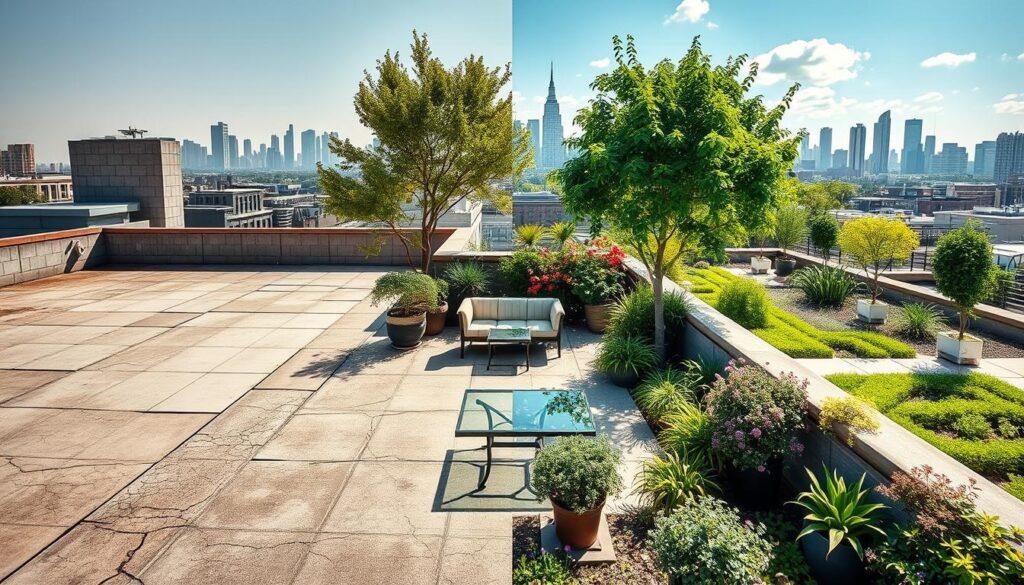
These stories are more than pictures. They show how any roof can be transformed. They show how layers of plants and soil can create stunning spaces.
| Project | The “Before” Reality | The “After” Transformation | Key Design & Impact |
|---|---|---|---|
| Lincoln Center, NYC | A vast, underutilized, heat-absorbing roofscape over a parking garage. It was a classic “dead zone” contributing to the urban heat island effect. | The Josie Robertson Plaza’s sloping lawn and grove of trees. It’s now a publicly accessible green space that hosts events, reduces stormwater runoff, and provides a vital cooling microclimate in Midtown Manhattan. | Shows how a massive, impervious roof can become a major public amenity and ecological asset, proving green roofs aren’t just for private use. |
| Testa Produce (Chicago) | A standard, flat industrial roof on a produce distributor’s warehouse—a classic “tar beach” with no ecological or social function. | A 9,000 sq. ft. urban farm. This “before and after” is a masterclass in function: it grows food, manages stormwater, cools the building, and provides produce for the community. It’s a roof that works for a living. | A perfect case of multi-functionality: stormwater management, urban agriculture, and local food production, all on a previously wasted space. |
| Private Brownstone, Brooklyn | A standard, black-tarred roof with a few potted plants struggling in the urban heat. | A multi-level “garden room” with distinct zones: a sedum and native grass meadow for pollinators, a decked entertaining area, and a vegetable planter box. It’s now a true outdoor room. | Demonstrates how even a small urban roof can be zoned for different uses (biodiversity, leisure, production), creating a private oasis and extending the home’s living space. |
The “before” is often a wasted asset. The “after” is a multi-layered solution. It’s not just about plants. It’s about managing stormwater and creating habitats.
These projects show a roof’s true value. It can fight urban heat, support biodiversity, and create stunning spaces. Your roof is more than a lid; it’s a chance for something new.
Conclusion
Forget about shingles and flashing. Your roof is more than just a hat for your house. It’s a huge, unused space waiting to be turned into a garden.
This isn’t just about adding a few plants. It’s about creating a living system on your roof. It’s a place where plants thrive, helping with stormwater and cooling your home. It’s also a haven for wildlife and a private spot that increases your home’s value.
Is a roof garden worth the effort? If you see a building as a collection of functions, then yes. You’re not just planting plants. You’re making a green oasis and a statement about living sustainably. The question is, can you afford to leave your roof empty in a world with less green space?