

Choosing the right materials for your villa is like casting a film. Stone adds gravitas, like a seasoned actor. Stucco brings elegance, while timber adds warmth. And concrete is the brooding hero.
These choices shape your home’s story. The exterior design sets the mood before you enter. A good palette tells a story that matches the setting and structure.
So, it’s not just about which materials look good together. It’s about the story you want to tell. Knowing how these elements work together ensures your villa shows sophistication, not confusion.
Key Takeaways
- Material choices significantly influence the character of your villa.
- Each material plays a unique role in the overall design narrative.
- Understanding the story you want to tell is key for selecting materials.
- A cohesive palette boosts curb appeal and value.
- Intentional design choices can make a home more than just pretty.
Masonry options limestone sandstone travertine joints textures finishes
Masonry materials like limestone, sandstone, and travertine add unique flair to villa design. These stones are more than just background; they are the main attraction. Limestone, with its creamy neutrals and smooth textures, exudes old money charm. It pairs well with many styles, adding timeless elegance.
Sandstone brings a warm, charming vibe. Its earthy colors and textures make the villa feel like it grew from the earth. The golden hues of sandstone can turn a façade into a warm, inviting canvas.
Travertine stands out with its unique texture. Its porous surface, with natural pits and troughs, gives it a distinctive look. Travertine’s casual elegance makes its imperfections seem intentional, adding character to any villa.
The real magic happens in the joints and finishes. A honed finish on limestone is like a tailored suit. A split-face texture on sandstone feels like a beloved leather jacket. Mortar joints can frame each stone like art or make the wall seem to have appeared by itself.
When designing your villa, think about whether you’re creating a backdrop or a conversation. Each masonry choice tells a story, inviting admiration and intrigue. For more ideas on stunning living spaces, check out our article on signature villa living room designs.
Plasters lime vs cement pigments textures breathability and maintenance
Choosing between lime and cement plaster is like picking between a fine wine and a cheap cocktail. Each has its own benefits, but the impact on your villa’s look is huge. Lime plaster is like the wise elder, bringing history, flexibility, and breathability that cement can’t match.
Breathability is key. Your villa is like a living being that needs to breathe. Lime plaster lets moisture out, preventing mold and mildew. Cement plaster, on the other hand, can trap moisture, causing cracks and unsightly stains.
Pigments play a big role too. Lime’s natural earth pigments add depth and richness that cement can’t. Lime plaster textures range from smooth to rough, catching light beautifully. Cement may look perfect at first but soon looks like a failed project.
Maintenance is also important. Lime plaster evolves over time, aging like fine wine. Cement plaster may look good at first but will crack, needing constant repairs.
In short, the plaster you choose shapes your villa’s character. Will it be a space that breathes and grows, or one stuck in modernity? The choice is yours, but the right plaster can make your villa stand out.
Timber species exterior duty profiles fire rating and aging patterns
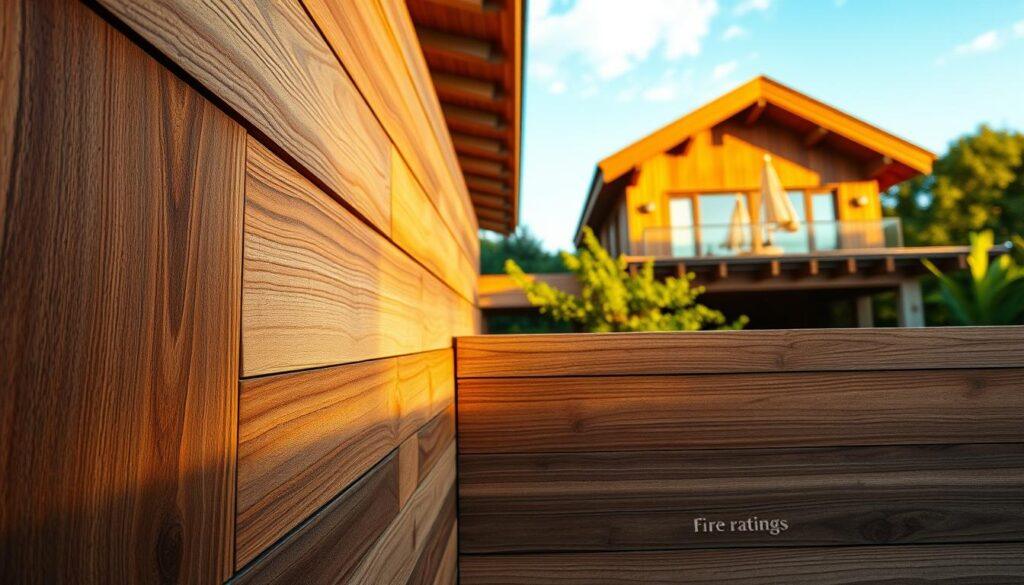
Timber is more than a choice; it’s a statement in villa design. When picking timber cladding, think beyond looks. The species affects durability, fire safety, and how it ages over time.
Cedar and larch are the veterans, known for lasting long. They turn silver-gray with age, looking wise. Newcomers like thermally modified ash and poplar are strong and chemical-free, like a smart new student.
Fire ratings are serious in wildfire areas. Some timbers char well, protecting the villa. Others burn too fast. Your choice could save your home.
Timber ages beautifully, telling stories of sun and rain. Pick a species whose story you like. Timber cladding changes with your villa, like a slow-motion show.
So, when picking timber for your villa, remember:
- Species Selection: Pick for both strength and looks.
- Fire Ratings: Know the fire safety in your area.
- Aging Patterns: Enjoy timber’s changing beauty.
For more ideas on timber cladding, visit this resource. It’s full of tips for your villa.
Concrete exposed board form terrazzo precast and thermal breaks
Concrete is no longer the unsung hero of architecture; it’s taking center stage. It’s no longer just a structural material hidden behind other finishes. Today, concrete is the star, showing off a range of styles that deserve attention.
Board-formed concrete has a unique texture, like the ghost of wood grain. This technique adds a special touch, reminding us of concrete’s fluid past. It’s like wearing a bespoke suit with rough stitching—elegant yet unrefined.
Terrazzo has evolved from a practical Venetian flooring choice to a luxury favorite. It’s made from marble and glass chips in cement, creating stunning mosaics. These often use local stones, connecting the villa to its site in a way paint can’t.
Precast panels offer factory precision, but they lack the charm of in-situ pours. Architects must balance precision with character in their designs.
The thermal break is vital but often overlooked. Without it, concrete walls can be thermal bridges, increasing energy bills. It shows that even stylish villas need to be efficient.
In conclusion, the question isn’t if concrete belongs in your villa, but if you’re ready to embrace its nuances. This material is not just a default; it’s a versatile player that can enhance your design.
Metals bronze brass corten stainless use by zone and patina control
Adding metals to villa design is like adding spice to a dish. They’re not just decorations; they’re essential. Bronze and brass add warmth, telling stories of heritage and elegance. Their oxidation gives them a unique character, like a worn book.
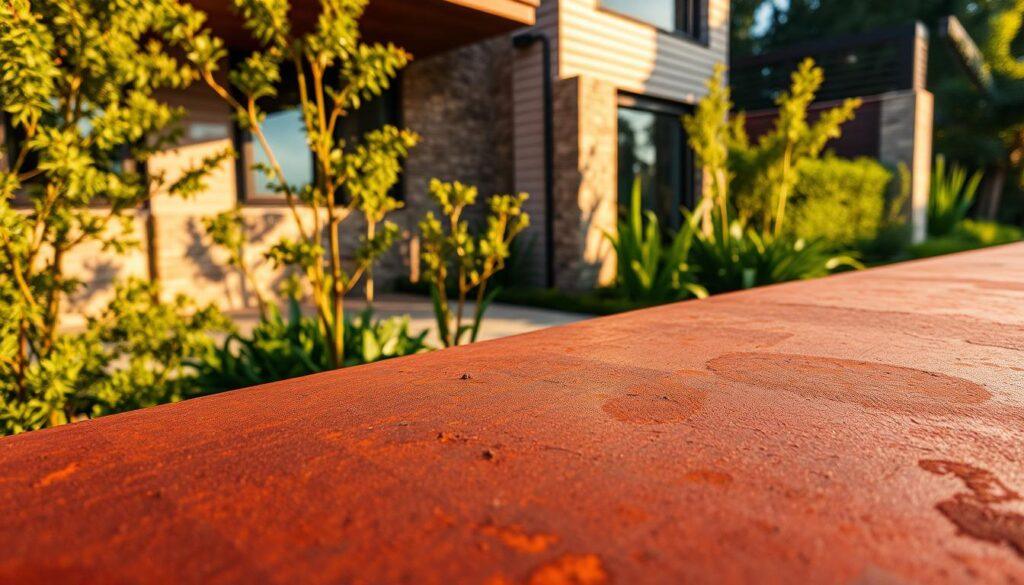
Corten steel is the metal with a romantic edge. It forms a protective rust patina, like armor. Initially, a client doubted my choice of corten for a coastal villa. But six months later, they loved its beauty and strength. It gets more stunning with age.
Stainless steel is the designer’s precision tool. It’s clean, modern, and a bit cold. It contrasts well with bronze and brass. But, where you use these metals is key. Bronze at grade level will patina differently than at roof level. Coastal environments speed up oxidation, while inland air slows it down.
Patina control is for those who love details. Some want metals to stay the same, using clear coats. Others enjoy a dynamic finish that changes with the environment. This makes the materials seem alive.
The best villa designs use metals as a fourth dimension. They change with light, weather, and time, creating a dialogue with other materials. So, when designing your villa, think about how metals can enhance both looks and character.
Floors and thresholds indoor outdoor continuity slopes and slip tests
The transition from indoors to outdoors in a villa is key. It’s not just a line; it’s a statement. A smooth transition shows the designer’s care.
A half-inch change can ruin the illusion of a seamless space. The floor material from indoors to outdoors is more than looks. It’s a choice that shows where the villa meets the landscape.
Large-format stone tiles or terrazzo can create a smooth flow. But, the substrate and waterproofing must be perfect. “Stone’s thermal mass helps keep the temperature stable by taking in heat throughout the day and slowly releasing it after dusk.”
Slopes are important too. Too flat, and water welcomes you at your doors. Too steep, and your furniture moves to the garden. Finding the right slope is essential.
Slip tests, like the pendulum or ramp test, check for safety. They help tell if a floor is good or not. Australia and Europe have been leading in flooring for a while. The U.S. is now catching up.
The material at the threshold must handle wet feet and sandy returns. It should also handle spills well. A “CAUTION: WET FLOOR” sign can ruin a villa’s look.

For better villa design, knowing these details is key. Learn more about concrete finishes as a design feature.
Sustainability embodied carbon sourcing recycled content and salvage
Sustainability is key when choosing villa materials. It’s not just a trend; it’s essential. We talk about embodied carbon, which shows the total greenhouse gas emissions of a material from start to finish. It’s like finding the perfect shoes—good looks, feels right, and lasts long.
Local stone is better for the planet than exotic marble. It fits in perfectly and ages beautifully. Salvaged materials, like old timber beams or terracotta tiles, have unique stories. They add depth and history to a space.
Recycled content is a big step towards sustainability, like choosing recycled metals. Durability is also important. For example, a long-lasting limestone facade is more sustainable than a short-lived fiber cement panel.
When we talk about sourcing, we also consider ethics. We look at labor practices, forestry certifications, and more. A sustainable villa chooses materials wisely, knowing each choice affects the supply chain.
| Material | Embodied Carbon (kg CO2e/m²) | Durability (Years) | Recycled Content (%) |
|---|---|---|---|
| Local Stone | 30 | 100+ | 0 |
| Italian Marble | 60 | 50 | 0 |
| Recycled Steel | 20 | 75 | 90 |
| Fiber Cement | 50 | 30 | 0 |
Sustainability in villa materials is about making smart choices. It’s not just about the numbers; it’s about the stories and legacy they create.
Spec workflow samples mockups warranties and care manuals
The spec workflow is where your villa dreams either take flight or spiral into chaos. This process can make or break your project, so it’s essential to navigate it wisely. After all, who wants to be stuck with a travertine that looks like a sickly beige instead of the cream color you envisioned?
First off, let’s talk about samples. While they can be pretty, viewing them in isolation is like judging a book by its cover. You need to see how they perform in the actual light of your site. Build mockups large enough to showcase joint patterns and corner conditions. This isn’t just theater; it’s a vital conversation with your materials before they’re permanently attached to your villa.
Next, we have warranties. Think of them as the prenuptial agreements of construction. Sure, they might not be romantic, but when things go sideways, you’ll be grateful they exist. Always read the fine print; it can save you from costly surprises down the line.
Now, let’s not forget the care manual. This often-neglected document is critical for your villa’s longevity. A maintenance schedule is as essential as an oil change reminder for a sports car. Natural stone needs sealing, timber requires specific cleaning products, and metals demand a patina management plan. Without this knowledge, your villa may age poorly, leading to expensive repairs.
In summary, the spec workflow doesn’t end at installation. It’s about teaching the future stewards of your villa how to maintain its beauty and integrity. After all, a villa without proper care is like a masterpiece left in the dark.
For more insights on design, check out this resource.
Cost bands good better best with lifecycle notes and value tips
Choosing the right villa material palettes is more than just looks. It’s about making smart financial choices. Materials can vary a lot in cost. For example, sandstone and travertine are often cheaper than marbles or schists. This price gap can greatly affect your budget.
Remember, cost doesn’t always mean value. A local limestone might be cheaper than imported porcelain but last longer. On the other hand, a cement plaster might be affordable but need repainting often. Is that really a good deal?
Lifecycle costs reveal the truth. A cheaper sandstone might save money upfront but need sealing every 18 months. In contrast, a more expensive quartzite could be a one-time buy that lasts forever. The choice between veneer systems and full-bed stone is also important. Veneer systems save on costs and time but might offer better thermal performance.
Invest wisely. Spend on the entry sequence of your villa, where guests first see it. Save on secondary elevations that only the landscaping sees. The most expensive material isn’t the priciest. It’s the one that needs frequent replacement because of bad choices.