
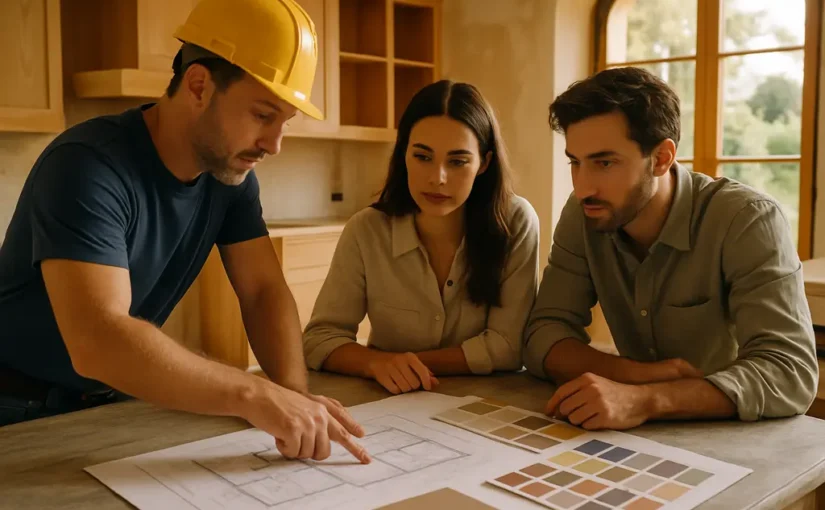
Remodeling demand has not vanished in 2026; it has become more selective. For villa owners, that means the easy answer is rarely a full-scale renovation or doing everything yourself. Higher input costs, slower projected spending growth, and cautious homeowners point toward smaller, safer, more useful improvements that protect daily comfort without creating avoidable risk.
As Sable Merritt, I tend to read these numbers through the patio door. A villa is not just a structure with a pretty outdoor room attached. It is a living pattern: shade at breakfast, dry footing after rain, safe lighting after dinner, and enough privacy to make outdoor space worth using. Economic pressure does not erase those needs. It asks homeowners to rank them with greater discipline.
Economic Signals Behind Remodeling Demand
What Remodeling Demand Means For Villa Owners
The Harvard Joint Center for Housing Studies reported that its Leading Indicator of Remodeling Activity projected homeowner spending on improvements and maintenance to rise about 2.1 percent year over year by mid-2026, slow to about 1.6 percent by the end of 2026, and ease to about 0.5 percent by the first quarter of 2027 Harvard JCHS remodeling forecast. That is not a collapse. It is a clear signal that homeowners were becoming more careful about timing, scope, and project type.
For villas, this favors repairs, replacements, and functional upgrades over broad cosmetic change. A loose railing, failing exterior steps, worn threshold, poor drainage at a terrace, or unsafe path lighting should sit above a decorative finish swap. The goal is not to make the home look expensive. The goal is to keep the villa usable, comfortable, and safer under real conditions: heat, rain, guests, pets, and maintenance crews.
That is why remodeling demand should be read as a planning signal, not a trend headline. If the market is slowing, homeowners may have more reason to pause, price work carefully, and break projects into phases. A measured plan can also reduce the chance of starting a large job and then cutting corners when costs rise.
Costs Are Changing The Project Mix
Input costs also matter. The April 2026 Joint Economic Committee housing report noted increases from mid-2025 to early 2026 in several home-related cost categories, including tools and hardware up 6.6 percent, furniture up 4.4 percent, residential construction inputs up 3.5 percent, ovens up about 9 percent, dryers up about 6 percent, and washers up about 6 percent JEC housing cost report. Those figures help explain why many owners are weighing whether a project must be done now, later, or in a smaller form.
A villa owner replacing an outdoor kitchen appliance, buying new tools for a deck refresh, or ordering furniture for a covered terrace may feel these price changes directly. The practical response is not to buy the cheapest products automatically. It is to choose the few items that carry the most use and safety value. A slip-resistant exterior surface near a pool, for example, often deserves more attention than a decorative accent wall that can wait.
How To Set Priorities Without Overspending
Separate Maintenance From Wish-List Work
Start with a written split between maintenance, safety, comfort, and appearance. Maintenance includes items that prevent damage: drainage correction, exterior sealing where appropriate, damaged surface repair, and replacement of failing fixtures. Safety includes lighting, steps, handrails, trip hazards, and secure walking surfaces. Comfort includes shade, seating, airflow, and weather protection. Appearance comes after these basics.
This order is especially useful for villa outdoor areas, where a lovely courtyard can become a liability if water pools near doors or the walking surface turns slick. A simple test is to ask whether delaying the work could create property damage, injury risk, or higher repair cost. If the answer is yes, the project belongs near the top.
Use Phasing Instead Of All-At-Once Work
Phasing suits villa life because outdoor spaces often work as zones. A homeowner might repair drainage and walking surfaces first, install safer lighting second, and add furnishings or planting after the hardscape is stable. This keeps the project tied to real use rather than a single design push.
For owners comparing upgrade value, a related discussion of outdoor renovation return factors can help frame enjoyment, resale context, and material choices without assuming every improvement pays back in the same way.
Safe Project Scopes As Remodeling Demand Shifts
Better DIY Candidates
During a slower remodeling demand cycle, homeowners often look for work they can do themselves. That can be reasonable if the task is low-risk, small in scope, and does not affect structure, utilities, or waterproofing. Examples may include assembling movable furniture, refreshing planters, cleaning exterior surfaces with manufacturer-approved methods, replacing loose cabinet pulls in an outdoor bar area, or testing solar path lights before committing to a hardwired system.
Even with simple projects, the homeowner should read product instructions, use basic personal protective equipment, and stop if the work requires unfamiliar tools or creates fall risk. The cost of a professional visit can be lower than the cost of an injury or a failed installation.
Projects That Usually Need Qualified Pros
Hire qualified professionals for electrical work, gas lines, plumbing changes, structural changes, major waterproofing, elevated work, and built-in outdoor kitchens. These jobs can involve permits, code requirements, concealed damage, fire risk, or water intrusion. A villa terrace with lighting, drainage, and appliances may look simple after completion, but the hidden work behind it is often where failures begin.
Professional help is also sensible when materials are heavy, expensive, or difficult to correct once installed. Large-format pavers, stone steps, pergolas, railings, and exterior doors need sound installation. Poor slope, weak fastening, or improper flashing can cause problems that are not visible on the first day.
Villa Outdoor Planning In A Slower Market
Design For Daily Use First
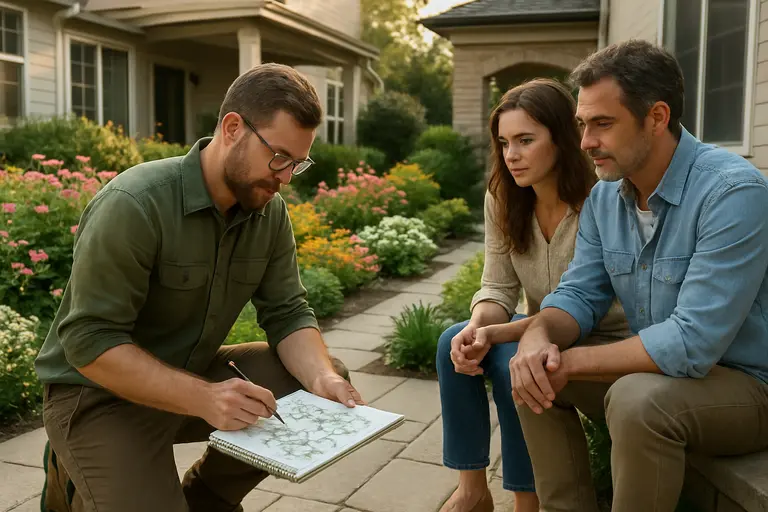
A villa outdoor space should earn its keep. If the family eats outside three nights a week, prioritize shade, table clearance, cleanable surfaces, and safe lighting. If guests often move from the living room to a terrace, focus on threshold safety and traffic flow. If the space is rarely used because it is too hot, shade and airflow may matter more than new furniture.
The same discipline applies to planting. Choose plantings that fit the site conditions and maintenance capacity. If a homeowner travels often, a high-care planting plan may become expensive and uneven. Durable containers, irrigation checks by a professional where needed, and restrained planting beds can support a refined villa setting without asking the owner to manage a small estate staff.
Ask Better Contractor Questions
Contractor conversations should be specific. Ask what part of the job addresses safety, what part addresses comfort, what maintenance will be required, and which choices can be postponed without damaging the project. Request written scopes that identify materials, allowances, exclusions, and responsibility for permits where applicable. For inspiration across home design and build decisions, custom home planning ideas can be useful when thinking about how outdoor upgrades relate to the main house.
Be cautious with vague promises. No contractor can promise that a patio, kitchen, pergola, or garden upgrade will produce a specific resale result. The better question is whether the work solves a real problem, meets safety expectations, and fits the way the villa is used.
Remodeling Demand For Villa Lifestyle Decisions
Remodeling demand in late 2026 points toward discipline rather than retreat. Villa owners can still improve their homes, but the strongest choices are likely to be practical: repair what protects the structure, improve what makes outdoor areas safer, and add comfort where it will be used often.
A cost-aware villa project does not have to feel stripped down. It can be calm, selective, and durable. A shaded dining terrace, corrected drainage, safe evening lighting, stable walking surfaces, and seating that fits the space may improve daily life more than a showy full remodel. In a slower spending cycle, that kind of restraint is not a compromise. It is sound stewardship of the home.