
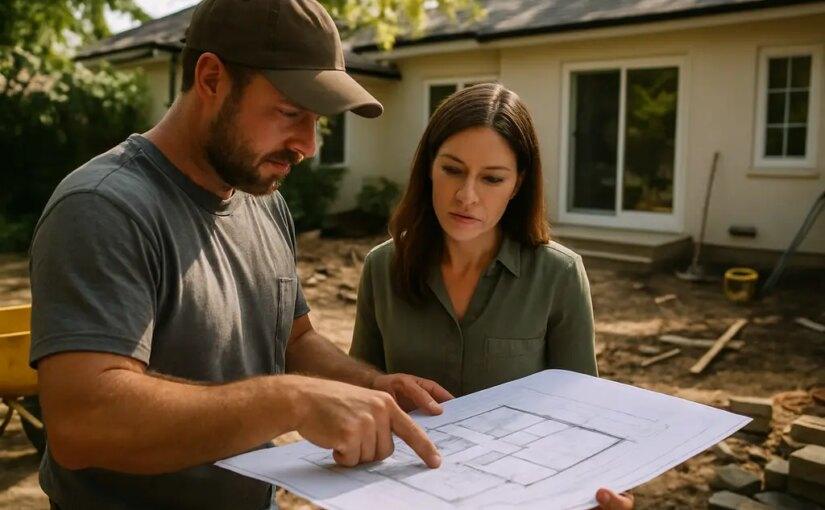
Outdoor renovations are no longer simple weekend upgrades for many villa owners. The 2026 data shows more homeowners are bringing in professionals, especially for yards, planting, patios, fencing, lighting, and structural exterior work. That does not mean every small task needs a crew. It does mean homeowners should be more disciplined about where DIY stops and where design, safety, permitting, drainage, electrical work, or structural coordination call for qualified help.
Why Outdoor Renovations Need Professional Help
Hiring Signals In Outdoor Renovations
The clearest signal comes from Houzz. Its 2026 outdoor remodeling report found that 71% of homeowners doing exterior projects hired a professional, up from 65% in 2024; landscape contractors were the most commonly hired category at 26% of projects, according to Houzz outdoor remodeling data. That rise is not surprising from a design and construction standpoint. The modern villa exterior often combines planting, hardscape, shade, lighting, fencing, seating, and circulation. Once those elements start affecting water movement, access, buried utilities, or attachment to the house, mistakes become harder to reverse.
For homeowners, the useful lesson is not that professionals are always better for every task. It is that the project should be sorted by risk. Replacing movable planters, refreshing loose furniture, or spreading mulch may be reasonable DIY work for many people. Regrading, deck work, outdoor kitchens, lighting circuits, irrigation changes, retaining elements, and large paved areas deserve more caution. Those jobs can affect safety, moisture control, code compliance, and long-term maintenance.
What The Trade Mix Suggests
The same Houzz report found general contractors hired for 17% of exterior renovation jobs, landscape architects or designers for 15%, painters for 10%, and fencing specialists for 8%. This mix suggests homeowners are not simply hiring for labor. They are hiring for coordination. A villa patio may need a grading plan, a planting concept, lighting placement, door threshold review, and a finish schedule. If one person installs paving without considering drainage, or one trade runs lighting without thinking about future planting growth, the finished space can become awkward or unsafe.
One practical approach is to appoint the right lead. A planting-heavy refresh may fit a landscape contractor. A larger patio with built structures may need a general contractor or a designer working with specialist trades. If the work affects the building envelope, electrical systems, gas lines, plumbing, roof drainage, or structural supports, homeowners should avoid treating it as a casual DIY extension of garden work.
Scope Choices That Shape Outdoor Renovations
Feature, Structural, And System Work
Houzz reported that 72% of homeowners making exterior upgrades in 2026 worked on feature projects such as plants, patios, and fences, while 56% undertook structural projects such as decks, pergolas, and outdoor kitchens. It also reported that 36% included at least one system upgrade, including irrigation, lighting, or security. The rise in system work matters because systems are where attractive plans often become technical projects.
Lighting is a good example. Houzz reported that 77% of homeowners doing system upgrades chose lighting, and landscape lighting appeared in 80% of lighting projects. Lighting can improve usability, but homeowners should not improvise electrical work. Fixture selection, cable routing, transformer capacity, wet-location requirements, and local rules are not areas for guesswork. Homeowners can safely gather goals, mark preferred paths, photograph dark areas, and compare fixture styles. The installation plan should be reviewed by a qualified professional where electrical safety is involved.
DIY Work With Sensible Limits
The reason outdoor renovations feel approachable is that many early steps are visible and tactile. You can measure a terrace, test chair clearances, observe shade, and mark where water pools after rain. These are useful homeowner tasks. They give a contractor better information and help prevent vague proposals. But observation is not the same as construction. A villa exterior has slopes, loads, foundations, wet surfaces, and sometimes wind exposure. A pergola footing, deck ledger, retaining edge, or exterior kitchen utility connection needs more than good taste.
Before buying equipment, homeowners should also be honest about tool capability and personal experience. If a project remains small enough for safe hand tools and manufacturer-approved use, a basic tool reference such as High Pro Tools can help frame buying questions, offering guidance on selecting the best tools for the job. For powered cutting, excavation, masonry, electrical, gas, or work at height, hiring a qualified trade is usually the safer decision. The cost of professional help should be compared with the cost of injury, property damage, failed materials, or having to redo the work.
How Contractor Capacity Affects Homeowners

Market Size And Labor Pressure
The contractor market is large, but size does not automatically mean easy scheduling. A 2026 industry report stated that the U.S. landscaping services market generated about $176.7 billion in 2025 revenue across about 556,000 businesses, employing roughly 1.1 million workers, according to the 2026 industry report. The same research noted a lawn care market valued around $62.9 billion in 2026, with a projection of about $79.7 billion by 2031.
For homeowners, those figures point to a busy service sector rather than a guarantee of immediate availability. The research also reported rising labor costs, with the mean hourly wage for landscaping and groundskeeping workers listed at $19.13 in the latest reported data, up from $16.94 in May 2021. Higher labor costs can show up in bids, scheduling, and crew allocation. A cautious homeowner should get written scopes, compare inclusions rather than just totals, and ask who will be on site doing the work.
Screening Before You Sign
A contractor interview should be practical. Ask whether the company has handled similar villa exterior work, who coordinates subcontractors, how changes are documented, and what parts of the project may require permits or inspections. Avoid pushing a contractor to skip safety steps to meet a date or budget. If a bid is much lower than others, ask what is excluded: drainage, base preparation, demolition, disposal, lighting, irrigation relocation, soil amendment, or finish protection.
Homeowners planning larger exterior spaces may benefit from reading about the role of outdoor living contractors before deciding whether one lead contractor, a designer, or multiple specialist trades make the most sense. The aim is not to add another layer for its own sake. The aim is to prevent gaps between design intent, site work, and safe installation.
Practical Hiring Plan For Outdoor Renovations
Start With Risks, Not Finishes
A sound plan starts with a written risk map. Walk the villa exterior after rain and note puddling, slippery surfaces, cracked paving, loose railings, dark routes, failing fences, and areas where roots or settlement have moved hardscape. Then separate aesthetic wishes from safety needs. A new dining terrace is appealing, but correcting drainage near a doorway may be the higher priority. A fence color can wait if the fence posts are unstable. Lighting style can wait until the safe path layout is clear.
For outdoor renovations, homeowners should prepare a short brief before calling contractors. Include photographs, rough measurements, preferred uses, access limits, pets or children who use the area, and any known drainage or utility concerns. This helps bidders respond to the same scope. It also reduces the chance of accepting a proposal that only covers the attractive visible work while ignoring the unglamorous base conditions that decide whether the project lasts.
Set A Clear Decision Line
The safest homeowner decision line is simple: DIY planning and light cosmetic tasks are acceptable only when the risks are low and the tools are familiar. Hire licensed or qualified professionals for structural attachments, electrical work, gas, plumbing, major grading, retaining elements, deck construction, roofed shade structures, and any work requiring permits. If you are unsure whether a permit is needed, ask the local building department or the contractor before work begins.
Professional help is rising because exterior projects have become more integrated. Plants, patios, fences, lighting, shade, and systems now meet in the same outdoor rooms. A cautious plan can still preserve homeowner control: define the use, set the budget range, choose where comfort matters most, and reserve professional labor for the parts that carry safety or performance risk. That balance is where villa owners get the most practical value from outdoor renovations without turning every task into a high-risk experiment.