
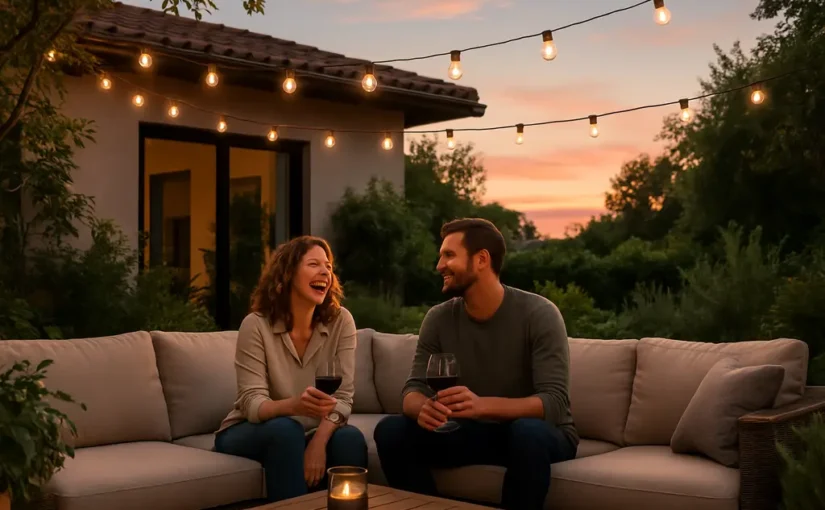
Outdoor living spaces are being planned less like spare patios and more like rooms with weather, drainage, lighting, and circulation problems to solve. That shift is not just a style preference. It affects where you place seating, how you light paths, whether you need permits, and which tasks should stay off the DIY list.
Why Outdoor Living Spaces Are Being Replanned
For villa owners, the demand for lounge areas and entertainment zones is easy to understand: the exterior has become part of daily use, not only a backdrop for occasional guests. Still, the design work should start with behavior rather than furniture catalogs. A sofa placed on a slab without shade, drainage, or safe access is not a finished room. It is an object waiting for weather to test it.
Outdoor Living Spaces Need A Use Case
The strongest plans begin with a clear use case. A quiet reading terrace, a family dining court, and a weekend entertaining zone ask for different layouts. The difference shows up in the distance from the kitchen, the need for task lighting, the size of side tables, and the tolerance for noise near bedroom windows. For villas with generous exterior areas, this is where restraint helps. One well-planned zone often works better than several underused corners.
What The 2026 Data Actually Supports
The 2026 Houzz outdoor trends study, based on a survey conducted April 25-May 6, 2026 among 1,191 U.S. homeowners, reported that 83% of renovated or planned outdoor areas included a lounge or seating area, while 71% included a sofa or lounge chairs Houzz outdoor trends study. The same study reported that 66% of renovated lounge areas used outdoor lighting, and 55% included a coffee or side table. Those figures point to a practical pattern: people are not only adding chairs; they are trying to make exterior rooms usable after sunset and during normal conversation.
Statista reported that, in 2026, 34% of U.S. homeowners planning outdoor remodels ranked enhanced entertaining space among their top objectives Statista outdoor remodel objectives. That is useful context, but it should not be read as permission to overbuild. A homeowner still has to weigh climate, maintenance, site access, and safety before committing to major features.
Planning Lounge Zones Before Buying Furniture
A lounge zone succeeds or fails before the first chair arrives. The important questions are ordinary ones: Where does the afternoon sun hit? Does water collect near the door? Can two people pass without stepping into planting beds? Is the surface stable enough for chairs that will not rock or catch? These questions are less glamorous than fabric color, but they determine whether outdoor living spaces feel usable after the first month.
Seating, Tables, And Clear Movement
Start by sketching the furniture footprint with walking paths, not by shopping for the largest sectional that fits on paper. Lounge chairs need space behind and beside them. Coffee tables and side tables should be reachable without blocking movement. If the villa has wide doors opening to a terrace, avoid turning that threshold into a furniture bottleneck. The entry from inside to outside should feel obvious and safe, especially for older guests or children carrying plates.
For a grounded planning reference, compare your proposed layout with how you already live indoors. If nobody in the household gathers around a large coffee table inside, a large exterior table may not become useful outside. If casual conversation is the priority, arrange seats so people face each other without forcing traffic through the middle. A related piece on daily comfort over resale takes a similar view: design for the way the space will be used, not for a vague future buyer.
Shade And Weather Exposure
Shade should be treated as basic function, not decoration. A lounge without shade may look convincing in photos and fail during the hottest hours. Fixed structures, umbrellas, pergolas, and nearby trees each bring tradeoffs. Fixed covers may require permits and professional installation. Umbrellas are flexible but need stable bases and storage plans in high wind. Planting can soften glare, but growth takes time and roots must be considered near paving or foundations.
Material choices also need sober review. Dark paving can become uncomfortable in strong sun. Smooth tile may become slippery when wet. Cushions and frames should be selected with storage, cleaning, and replacement in mind. Homeowners can compare labels and care requirements, but claims about weather resistance should be checked against manufacturer guidance rather than showroom language.
Entertainment Zones Need Safer Boundaries
Entertainment zones introduce more movement, more equipment, and more chances for poor decisions. A dining table, grill area, bar counter, fire feature, and conversation seating can work together, but they should not be squeezed into one crowded pad. The safest outdoor living spaces separate cooking, seating, and circulation so guests are not walking behind a hot grill or stepping over cords.
Lighting Without Guesswork
Lighting is one of the most common upgrades for evening use, but it is also an area where homeowners should know their limits. Low-voltage path lights and plug-in fixtures may be manageable for careful DIYers if used exactly as rated and installed according to the manufacturer instructions. Hardwired exterior lighting, new circuits, buried cable, or fixture changes near wet areas should be handled by qualified electrical professionals and inspected where required by local rules.
Good lighting is layered. Path lighting reduces trip risk. Step lighting makes level changes more visible. Softer lighting near seating supports conversation. Bright glare aimed into guests’ eyes is not safer; it simply makes the terrace feel exposed. Exterior fixtures should be rated for their location, and any controls should be reachable without crossing dark paving.
Cooking, Bars, And Utility Work
Outdoor cooking and bar areas call for stricter boundaries than a movable lounge setting. Gas lines, fixed appliances, plumbing, drainage, and electrical service are professional work. A homeowner can choose the general location, compare appliance manuals, and plan storage needs, but the technical installation should not become a weekend experiment. Fire clearance, ventilation, shutoff access, and weather exposure all deserve trained review.
This is also where budget can drift. A simple dining terrace may need furniture and lighting. A full entertainment zone can trigger utility work, structural cover, weather-rated cabinetry, and surface upgrades. For homeowners comparing exterior improvements with broader property plans, consulting a network resource like Jimmy Guthrie Real Estate LLC could be beneficial. However, project pricing and scope should still be verified with local contractors and qualified inspectors.
DIY Versus Professional Work For Villas
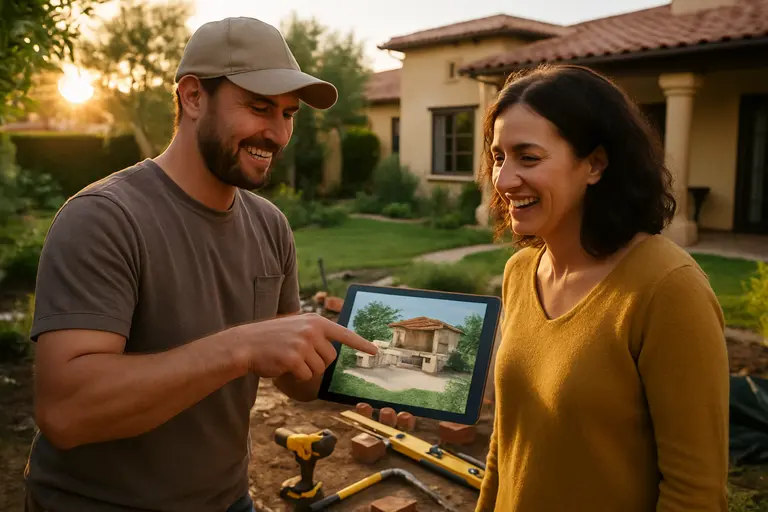
The 2026 Houzz study reported professional involvement in outdoor renovation projects at 71%, up from 65% in 2024. That does not mean every improvement requires a contractor. It does suggest that as exterior projects expand into lighting, structures, and utility-supported entertainment, many homeowners are recognizing the limits of casual DIY.
Sensible DIY Tasks
There is still plenty of useful work a homeowner can do before calling anyone. Measuring the site, tracking sun exposure, photographing drainage after rain, testing furniture layouts with painter’s tape, and reading product care instructions are all worthwhile. Painting loose furniture, assembling rated outdoor pieces, planting containers, and selecting cushions are often reasonable DIY tasks if the work stays within product instructions and personal ability.
- Good DIY candidates: layout planning, furniture selection, movable planters, cushion storage planning, and simple decor updates.
- Use caution: heavy pavers, wall-mounted fixtures, overhead shade units, and anything requiring anchors into masonry or structural framing.
- Hire qualified pros: electrical work, gas work, plumbing, structural covers, drainage corrections, and major grading.
Work Better Left To Qualified Pros
Villa exteriors often include masonry, elevated terraces, exterior stairs, retaining edges, and older utility routes. That mix can turn a small-looking job into a riskier project. If a plan requires cutting into walls, altering drainage, adding permanent loads, or connecting utilities, bring in licensed trades where required. The cost of professional review is easier to accept than the cost of water intrusion, unstable construction, or unsafe power outdoors.
Permit rules vary by location, so homeowners should check local requirements before work begins. That is not bureaucracy for its own sake. Exterior changes can affect drainage onto neighboring properties, fire safety, electrical safety, and structural performance. A cautious plan keeps the villa attractive without making the site harder to maintain.
Outdoor Living Spaces For Lounge Areas And Entertainment Zones
The practical direction is clear: homeowners want exterior rooms that support sitting, talking, eating, and evening use. The safer response is not to copy a resort terrace. It is to build a plan around comfort, maintenance, and risk. Outdoor living spaces should be sized for real gatherings, lit for safe movement, shaded for the climate, and built only as permanently as the household can maintain.
A Practical Priority Order
Begin with the surface underfoot, then shade, then seating, then lighting, then cooking or bar features if the budget and site can support them. This order reduces the chance of buying expensive furniture for a flawed base. It also keeps professional work visible early, before finishes and furnishings make corrections harder.
For villa owners, the best entertainment zone is not the one with the most features. It is the one that people can enter safely, use comfortably, clean without dread, and repair without regret. That is the measure worth applying before any exterior upgrade becomes permanent.