

Deck Patio Cost Recovery is not a scoreboard that every homeowner should obey without question. It is a resale average, shaped by region, project scope, material choices, site conditions, and buyer expectations. As an interior designer who spends a lot of time around exterior materials, I see the most expensive mistakes happen when owners chase a return percentage without asking whether the project fits the house, the lot, and the way the family actually uses outdoor space.
The 2026 conversation is especially practical because decks and patios are both popular, yet they behave differently in resale math. Decks often show stronger percentage recovery in national reports. Patios can still be sensible, especially where the yard is flat, drainage is manageable, and the homeowner wants long-term use with fewer finish-maintenance cycles. The careful answer is not “deck good, patio bad.” It is: match the structure to the site, set a safe scope, and keep the budget proportional to the home.
Deck Patio Cost Recovery Numbers For 2026
What The Reported Averages Said
The most striking 2025 comparison came from Zonda’s Cost vs. Value data as discussed in an August 17, 2026 outdoor resale analysis. A wood deck addition averaging $18,263 for a 16-by-20-foot structure was reported to recoup about 94.9% at resale, while a composite deck addition averaging about $25,096 recouped around 88.5%. The same research placed a backyard patio at a much lower average recovery, about 46.0%, with a $51,454 cost and $23,672 in resale value.
Those figures are useful, but they are averages, not promises. A 16-by-20-foot deck on a house with an awkward rear exit may solve a real usability problem. A large patio with built-ins, premium paving, and extensive site work may cost far more than buyers in that local market are willing to credit. That is why percentage recovery should be read beside project purpose, not above it.
How Deck Patio Cost Recovery Changes By Scope
Deck Patio Cost Recovery tends to look better when the project is simple, well-built, and easy for a future buyer to understand. A clean deck that creates a safe dining zone off the kitchen is legible. A patio with a complicated layout, multiple specialty features, and drainage corrections hidden below grade may be enjoyable, but buyers may not assign full value to all of that cost.
The 2026 Houzz research also showed that resale was not the main driver for most outdoor projects. The 2026 U.S. Houzz Outdoor Trends Study found that only about 15% of recent or planned outdoor remodels cited resale value as a motivation. That matters because an outdoor project chosen mainly for daily comfort may be perfectly valid even if its resale recovery is modest.
Why Decks Often Recover More
Usable Area Above Grade
Decks can create usable floor area where the yard itself is not cooperative. On a sloped or uneven lot, a deck may bridge a grade change without requiring the same kind of broad excavation a patio might need. That does not make a deck inexpensive. It does explain why buyers may respond strongly to one: the deck can make a difficult rear yard feel more functional.
From a materials point of view, wood and composite decks also send different signals. Wood may show a strong recovery percentage in national averages partly because its installed cost can be lower than composite. Composite may cost more upfront, but some homeowners prefer the maintenance profile. Neither material is automatically better. Wood needs regular care. Composite still needs cleaning and proper installation, and it can be affected by heat, color choice, framing quality, and manufacturer requirements.
Safety And Code Visibility
Decks are also easier for buyers and inspectors to judge because railings, stairs, ledgers, posts, and visible framing tell a story. Sometimes that story is reassuring. Sometimes it is a warning. A deck with questionable connections, loose railings, or unpermitted structural work can hurt confidence quickly.
For that reason, homeowners should treat any attached or elevated deck as a professional-grade project. Layout sketches, finish selections, and furniture planning are reasonable DIY tasks. Structural design, footings, ledger attachment, guardrails, stair geometry, and permit compliance should be handled by qualified contractors or design professionals familiar with local requirements. Deck Patio Cost Recovery depends on buyer trust as much as surface appearance.
Why Patios Still Make Sense
Lower Profile, Longer Use Pattern
Patios can be a calmer investment than the percentage numbers suggest. A grade-level patio does not require rails in the same way an elevated deck might, and many patio materials can last a long time when drainage, base preparation, and edge restraint are handled correctly. Concrete, pavers, and stone each have different maintenance demands, but a patio can age quietly if the site conditions are sound.
The caution is scope. A basic sitting area and a major outdoor entertainment build are not the same financial decision. Once a patio includes extensive hardscape, outdoor kitchens, fire features, retaining walls, lighting, or major grading, the cost can rise faster than the resale credit. For homeowners comparing outdoor features as part of broader planning, our related note on outdoor value recovery planning may help frame the tradeoffs.
Drainage Is The Design Detail Buyers Rarely See
Patio value is often buried under the surface. Poor slope, weak base preparation, or ignored water flow can lead to puddling, settlement, staining, frost movement, or moisture directed toward the house. These are not decorative problems; they are performance problems.
Simple furniture placement and container planting are reasonable DIY work. Drainage corrections, retaining walls, major grading, gas lines, electrical lighting circuits, and work near foundations belong with licensed or qualified professionals. A patio that looks attractive for a month but moves water poorly can become one of the least cost-effective outdoor choices.
DIY Boundaries And Professional Scope
Good DIY Work Is Usually Planning Work
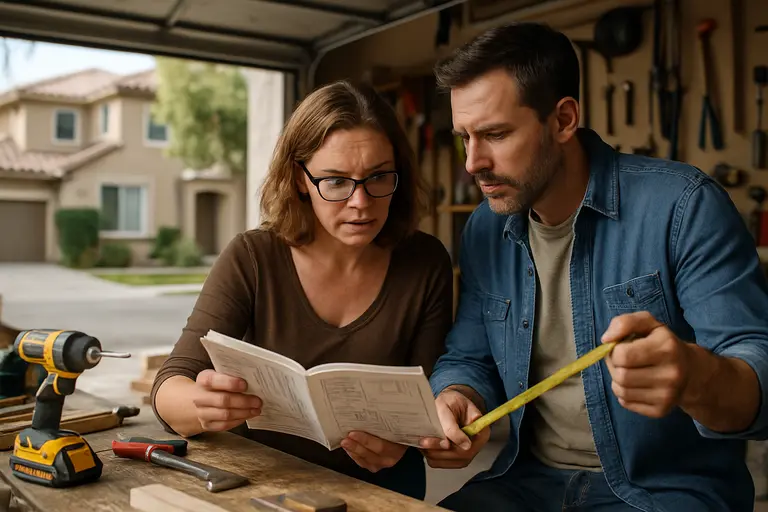
The safest homeowner work often happens before construction starts. Measure how sun, wind, privacy, and door swing affect the space. Place temporary chairs and a table before choosing a permanent footprint. Compare how many people actually need seating on an ordinary weekend, not just during one large gathering. This kind of testing costs little and often prevents oversizing.
Material sampling also belongs in the homeowner’s hands. Look at deck boards or pavers in morning light, afternoon heat, and after rain if possible. Dark surfaces can feel hotter. Smooth surfaces may be less forgiving under wet feet. Pale materials may show soil and leaf staining. These observations do not replace technical specifications, but they help you ask better questions before signing a contract.
Where To Bring In A Pro
Hire professional help when the project affects structure, life safety, water management, or utilities. For decks, that includes elevated framing, attachments to the house, stairs, guards, and footings. For patios, that includes retaining walls, drainage changes, substantial excavation, work near foundations, and any gas or electrical additions.
Homeowners planning to sell should also ask a local real estate professional how similar outdoor projects are being received in their market. A related property resource in the same network is Jimmy Guthrie Real Estate LLC, where you can explore resale context, though homeowners should still avoid treating any single opinion as an appraisal or financial forecast.
Deck Patio Cost Recovery Planning For Homeowners
Deck Patio Cost Recovery is most useful when it disciplines the budget without dictating the whole design. If you expect to sell within three to five years, a simpler wood deck with sound construction may align better with the reported national recovery percentages. If you plan to stay longer, a patio or composite deck may make more sense because maintenance effort, comfort, and durability start to matter more than first-year resale math.
| Decision Point | Deck Lean | Patio Lean |
|---|---|---|
| Sloped rear yard | May create usable space above grade | May require grading or walls |
| Short resale timeline | Wood decks have shown high reported recovery | Large patios may recover a lower share |
| Long ownership | Composite may reduce finish upkeep | Durable paving may suit steady daily use |
| DIY suitability | Mostly planning and finish choices | Small cosmetic work only; drainage needs care |
Before committing, keep the decision grounded in a few checks:
- Set a budget ceiling that fits the home’s price range and the neighborhood.
- Separate lifestyle features from resale-driven features.
- Confirm permits and code requirements before any structural work starts.
- Ask contractors how they will manage water, movement, access, and long-term maintenance.
- Choose a project size that supports daily use rather than rare events.
The fairest 2026 reading is cautious: decks, especially wood decks, reported stronger average cost recovery than patios, but the best choice still depends on site, safety, ownership timeline, and restraint. A well-scaled patio can be wiser than an overbuilt deck. A properly engineered deck can outperform a patio on a difficult lot. The right project is the one that improves use, avoids unsafe shortcuts, and leaves future buyers with confidence rather than questions.