
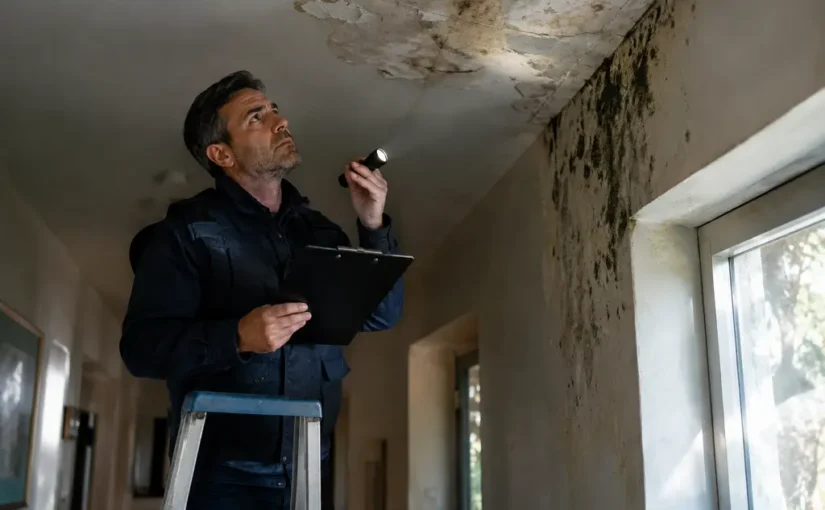
Maintenance budgeting starts with a plain question: which repairs protect the house, and which upgrades can wait? For homeowners choosing roofing, siding, decking, trim, insulation, or exterior finishes, that question matters more after the cost increases reported through 2024 and 2026. A repair budget should not treat every project as equal. Water intrusion, failing exterior assemblies, unsafe stairs, deteriorated structural elements, and worn mechanical systems deserve earlier attention than cosmetic refreshes.
As an architectural styles consultant, I often see material choices framed as taste decisions. Taste matters, but essential maintenance is more like casting the supporting structure of a house. The visible finish is only one part of the decision. The substrate, fasteners, flashing, coatings, drainage path, and labor skill often determine whether a repair holds up or becomes a repeat expense.
Why Essential Repairs Need Earlier Cost Triage
Repair Inflation Is Not Evenly Felt
The Philadelphia Fed estimated that repairs across U.S. occupied housing units reached $198.4 billion in 2024. It also found that repair-intervention costs rose 13.3% in inflation-adjusted terms between 2022 and 2024, and that lower-income households represented 37.6% of total costs while making up 29% of households, according to its home repair cost estimates. Those figures are useful because they describe repair need, not wish-list remodeling.
For a homeowner, the practical reading is cautious: waiting on an essential repair may not preserve cash if the damage spreads. A soft fascia board can lead to gutter failure. A leaking roof plane can move from shingles to sheathing to interior finishes. A cracked exterior sealant joint may be minor, but if it lets bulk water into the wall assembly, the repair category changes quickly.
Materials Can Shift After You Price The Job
Material pricing has also moved in ways that make stale bids less reliable. The National Association of Home Builders reported that building material prices for residential construction, excluding energy, rose 3.7% year over year in April 2026, the fastest such rate in three years. Including energy, input prices for new residential construction were up 5.9%, with goods up 6.1% and services up 3.7%, based on NAHB’s April 2026 material price report.
That does not mean every homeowner will see the same increase on every invoice. Regional labor availability, delivery distances, stock on hand, product grade, and contractor workload can all affect bids. It does mean that a repair estimate from several months ago should be checked before a homeowner signs a contract or orders materials.
Separate Safety Work From Cosmetic Scope
DIY Tasks That Usually Fit Cautious Owners
Some maintenance work can fit a careful DIY plan, especially if it stays at ground level and does not disturb wiring, gas, plumbing, roofing, or structural components. Examples include documenting visible deterioration, cleaning accessible debris from grade-level areas, touching up minor paint failures after proper preparation, replacing simple weatherstripping, or comparing material samples in natural light. These jobs still require basic safety gear, product label reading, and patience.
For design-minded owners, small material tests can prevent expensive mismatches. Set a siding sample next to existing masonry. Look at a stain sample beside adjacent decking. Compare trim profiles under morning and afternoon light. If you want broader planning context before setting a repair scope, this related article on renovation cost planning aligns well with cost-aware material decisions.
Jobs To Price With Qualified Pros
Professional help is the safer route for roof work, structural repair, electrical changes, gas work, major plumbing, HVAC replacement, elevated exterior repairs, and any task that may require permits or inspections. A homeowner can still make informed choices without doing the work. Ask what failed, what material options are compatible, what parts of the assembly are being replaced, and what warranty terms depend on installation method.
Exploring related design solutions, J. Siemering Homes provides insights that are part of the same network, helping you understand how design decisions impact the overall finish of your home. Treat any inspiration image as a starting point, not a specification. The right repair detail depends on your climate, existing construction, code requirements, and the condition uncovered during inspection.
Maintenance Budgeting For Building Materials
Maintenance Budgeting Checkpoints
Good maintenance budgeting separates the visible material from the parts that make it perform. A deck board price is not a deck repair price. A shingle bundle is not a roof repair price. A window unit is not a complete water-management assembly. Homeowners get clearer bids when they ask contractors to break out materials, labor, disposal, access needs, and likely hidden conditions.
| Repair Area | Common Budget Risk | Safer Planning Move |
|---|---|---|
| Roofing And Flashing | Damage may extend below the visible surface. | Ask how sheathing, underlayment, and flashing will be evaluated. |
| Siding And Trim | Paint failure may hide rot or trapped moisture. | Price repair allowances for damaged boards and trim transitions. |
| Decks And Exterior Stairs | Surface boards may look better than the framing below. | Have connections, rails, posts, and supports inspected before cosmetic work. |
| Windows And Doors | Unit cost may exclude water-management details. | Confirm flashing, sealants, interior repair, and exterior trim scope. |
A practical reserve should reflect uncertainty. The research brief recommends a buffer of 10% to 15% or more over current estimates for material inflation and tariff-driven volatility. I would treat that as a planning buffer, not a promise that the final invoice will land inside that range. Older homes, hidden water damage, and specialty materials can still push a project outside a neat spreadsheet.
How To Build The Repair Reserve

Bid Review Without False Precision
Three bids can help, but only if they describe the same work. One contractor may include disposal, substrate repair, and flashing. Another may price only the finish layer. The lower number is not automatically the better number if it leaves out the parts that prevent repeat damage. Ask each bidder to define assumptions in writing, especially for hidden conditions.
For maintenance budgeting, I like a simple structure: urgent repairs, near-term repairs, and elective upgrades. Urgent repairs address active leaks, unsafe access, failing components, or conditions likely to damage other parts of the home. Near-term repairs are not emergencies but should be watched and scheduled. Elective upgrades improve appearance or comfort but do not protect the building in the same way.
Materials Choices That Lower Risk
Material selection should balance appearance, availability, compatibility, and upkeep. Matching an existing wood trim profile may preserve a home’s character, but the repair will fail if the selected material is exposed to chronic moisture without correct detailing. A synthetic trim product may reduce painting frequency in some settings, but it still needs proper fastening and expansion gaps based on manufacturer instructions. A masonry patch should not be chosen by color alone; hardness and moisture behavior matter, and that is work for qualified masonry trades.
Homeowners should be cautious with substitutions. A cheaper material can be reasonable if it is compatible with the existing assembly and climate. It can be costly if it traps moisture, shortens service life, or voids a product warranty. Ask for product data sheets and care instructions before approving a substitution, then keep those documents with your home records.
- Track labor and materials separately: both can move, and one may rise while the other stabilizes.
- Refresh old estimates: use current quotes before ordering or signing.
- Fund hidden-condition allowances: water, rot, and access problems are common budget stress points.
- Set DIY limits early: do not learn those limits on a roof, ladder, live circuit, gas line, or structural repair.
Maintenance Budgeting Decisions For Essential Repairs
Choose The Repair That Protects The House First
The strongest maintenance budgeting decision is often the least dramatic one. Repair the water path before replacing interior finishes. Stabilize unsafe exterior stairs before adding decorative lighting. Fix failed trim and flashing before repainting. These choices may not create the most striking before-and-after photo, but they reduce the chance of paying twice.
For homeowners balancing style and cost, the safest plan is to treat essential repairs as the base layer of design. A house with sound exterior materials, controlled moisture, safe access, and documented repairs gives you more freedom later. A house with deferred maintenance limits every design choice because each attractive finish has to sit on an uncertain base. Use maintenance budgeting as a disciplined filter: protect the structure, price the real assembly, hire qualified pros for high-risk work, and reserve DIY effort for tasks that do not put people or the building at unnecessary risk.