

Your floor is the foundation of your home’s story. You wouldn’t build a villa on sand. So, why cap it with a floor that doesn’t match your vision? Today’s stamped concrete is a shape-shifter, a true chameleon with a Master’s in Architecture.
We’ve moved past the cold, industrial slabs of old. Now, we have the polished concrete floor, buffed to a mirror sheen. It captures the light of a setting sun or the cool glow of a modern space. It’s not just a floor; it’s a canvas.
Stamped concrete offers a world of texture and pattern. It can mimic natural stone, sun-worn brick, or aged wood. But it’s without the high cost of its natural counterparts. It’s the faux with the savoir-faire.
This isn’t just about a subfloor. It’s about your home’s story. Will it be sleek and modern with a polished concrete floor? Or will it be rustic and time-worn, telling its story through stamped concrete? The first layer of your home’s story is about to be poured.
Why Concrete is the Unsung Hero of Mediterranean & Villa Design
The true genius of Mediterranean and villa design isn’t just in the arches or terra cotta roofs. It’s in the thermal intelligence of the materials that form its foundation. This isn’t just about looks; it’s about living in harmony with the environment.
Concrete’s power is its high thermal mass. Imagine it as your home’s thermal battery. During the day, its thick walls and floors soak up the Mediterranean heat. At night, they release that warmth as the air cools. This ancient wisdom makes your villa a thermal flywheel, smoothing out temperature swings and cutting down on mechanical systems. It’s not just a floor; it’s a climate control system.
This thermal intelligence also makes concrete a master of seamless indoor-outdoor flow. When your polished concrete floor flows without a break from the great room to the loggia, the boundary between inside and out dissolves. The material is the constant. You don’t step from one world to another; you glide. This continuity is the soul of Mediterranean living, where the home breathes with the landscape, not against it.
This mix of form and function makes concrete the ultimate chameleon for villa design. It can be stained, polished, textured, or imprinted to mimic expensive stone or terracotta. It achieves cost-effective authenticity without the high price. It’s a master of disguise with the backbone of a workhorse.
| Feature | Polished Concrete | Ceramic Tile | Natural Stone |
|---|---|---|---|
| Thermal Mass | High – Excellent for passive climate control | Low | Moderate to High |
| Indoor-Outdoor Continuity | Seamless – Can be poured continuously | Seams and grout lines create visual breaks | Difficult to achieve a truly seamless look |
| Design Versatility | High – Can be stained, dyed, or textured | Limited to available tile designs | Limited to natural stone patterns |
| Maintenance for Villa Living | Easy – Durable and stain-resistant | Grout can stain, grout lines collect dirt | Often requires sealing and special care |
Choosing concrete for a Mediterranean or villa-style home is more than a design choice. It’s a performance decision. It’s the quiet, intelligent host that manages the climate, blurs the line between sanctuary and landscape, and does it all while looking effortlessly chic. It’s not just a building material; it’s the foundation of a lifestyle.
Finish types explained: polished, honed, burnished, exposed aggregate, stamped, microtopping/terrazzo look
The user wants a detailed content plan for a blog post. The text is in English. Let’s break down what the user needs.
The user is likely a content creator, such as a blogger or marketer. They want to boost their SEO and content strategy. They need a plan that’s easy to follow and track.
The user might want content that stands out in a crowded market. They need unique and useful insights. The content should also work well for different formats, like social media.
The response should cover keyword research, content structure, SEO, and promotion. It should also tackle challenges like content fatigue. The plan should have timelines and clear roles.
Considering the response, it should be in English. It should include an intro, keyword research, content structure, SEO, promotion, and measurement. Each part should have clear steps to follow.
First, I need to analyze the user’s request and the provided context. The user is asking me to write a detailed analysis and planning process in the
Color systems: integral pigments, stains, limewash overlays
Forget what you know about paint. Concrete color is more than a surface layer. It’s a deep choice that starts at the molecular level. In villa design, the color of your concrete is key. It’s not just an afterthought but a foundational choice that shapes your space’s soul.
You can color the concrete from within or just its surface. One method is permanent and molecular. The other is artistic and rich in patina. Your choice changes the story your villa tells.
The most permanent method is integral pigments. This method mixes mineral oxide pigments into the concrete. The color is in the DNA of the slab, lasting long and fading little. It’s like the concrete’s natural skin tone.
For a Mediterranean villa, think of the warm, earthy terracotta of integral pigments. It evokes sun-baked Tuscan villas.
On the other side, we have acid stains and dyes. This method is unpredictable and beautiful. Acid stain is a chemical reaction that etches the surface. It creates a permanent, mottled, unique patina.
It’s like Jackson Pollock with a chemistry set. No two applications are the same. It’s perfect for creating an “old world” look around a villa’s courtyard or pool deck.
The limewash overlay is the ultimate chameleon. It’s a breathable, mineral-based coating that can be tinted to any color. It’s not just a color; it’s a patina, a whisper of history on a modern wall.
It offers a matte, chalky finish that softens concrete. It’s perfect for creating a sun-bleached, Mediterranean farmhouse feel.
Choosing your path depends on the story you want your villa to tell. Do you want the permanent soul of integral color, the organic artistry of acid stains, or the weather-worn charm of a limewash patina? Each system has its own unique chemistry with concrete.
Performance factors: slip resistance, UV stability, crack control, expansion joints
Imagine your dream villa with sun-drenched patios and sleek, polished floors. You might not think about control joints or coefficients of friction. But, the real beauty of a concrete floor is in its engineering, not just its finish.
Let’s explore the important factors that make a floor stunning and safe for years.
The Grip: Slip Resistance and Surface Texture
A floor that’s too slippery is a big no-no. It’s all about the surface texture. For busy, wet, or outdoor areas, a non-slip surface is essential.
A broom finish is a classic choice. It creates ridges for better grip. It’s great for pool decks and walkways.
Exposed aggregate is another option. It shows the stones in the concrete, making it both pretty and slip-resistant. It’s perfect for villa terraces and courtyards.
The Fade Fight: UV Stability and Color Permanence
Your concrete floor faces the Mediterranean sun. Not all colors last well in the sun. Some stains and dyes fade quickly.
Use UV-stable materials for lasting colors. Integral pigments mixed into the concrete are the best choice. They resist UV rays well. Surface stains and dyes can fade, leaving your floor looking patchy.
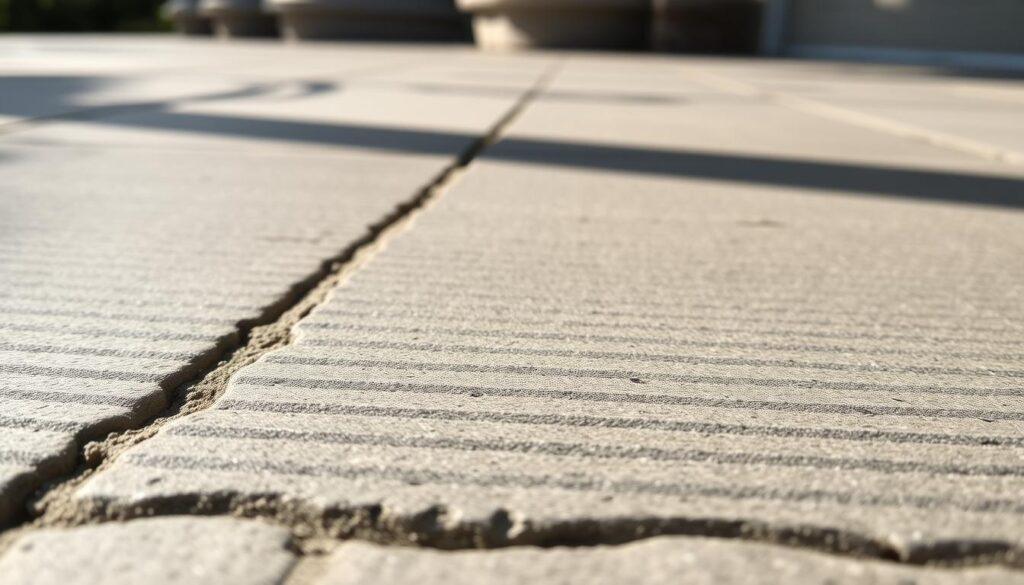
Taming the Crack: Control Joints and the Art of Planned Failure
Concrete moves and settles. The goal is not to stop all cracks. It’s about crack control. Control joints are key.
Think of these joints as planned fault lines. They help the concrete expand and settle without random cracks. This way, you can fill the joints with a flexible sealant.
Expansion joints are also important. They’re gaps between concrete slabs and structures. They let the concrete move with temperature changes without damage.
Putting It All Together
When planning your concrete floors, don’t just focus on looks. Ask important questions:
- What is the slip resistance rating for this finish by the pool?
- Are the colorants UV-stable for my sun-drenched courtyard?
- Where are the control joints planned, and how will they be finished?
This is the engineering poetry of concrete. It’s about planned cracks, grippy textures, and lasting colors. It’s the framework that lets the beauty shine, season after season.
Comfort and durability: pairing with radiant floors; pets, sand, and poolside considerations
Concrete’s thermal mass is more than just a term for architects. It’s your home’s secret for comfort and efficiency. This property makes concrete absorb, store, and slowly release heat. It turns your floor into a giant thermal battery.
To fully use this power, you need the right partner: a radiant heat system.
Your concrete slab is like a massive, gentle battery. A radiant heat system warms it from within. The concrete then radiates this warmth for hours.
This makes your floor warm to the touch. It heats your room gently, starting at your feet. It’s cozy and comfortable.
This pairing is smart too. The concrete’s thermal mass evens out temperature changes. Your heating system works less, but for longer, to keep a steady temperature. It’s a smart mix of passive design and active comfort.
A home is a living space, not a museum. It must withstand life’s chaos. For pet owners, durability is key. A sealed and finished concrete floor can handle pets and sand well.
It resists scratches and makes cleaning easy. A good sealer keeps it looking new.
The pool deck is a high-traffic, high-moisture area. It’s exposed to chemicals and water. You need a finish that can handle this.
A textured or exposed aggregate finish is best. It provides slip resistance when wet. The sealer protects against stains and chemicals. It’s your home’s defense against the elements and summer fun.
Choosing the right finish is important. It’s like picking the right tile for a wet area. For more on durable surfaces, check out our guide on wood-look tiles.
Outdoor applications: terraces, courtyards, pool decks, driveways
Concrete outdoors is more than a surface; it’s the stage for your Mediterranean life. It goes beyond walls, blending with the landscape. The transition from indoors to outdoors demands a material that looks and performs well.
Let’s talk about the pool deck, the heart of outdoor gatherings. It needs to be cool for bare feet and safe when wet. Exposed aggregate is a top choice, providing slip resistance and a natural look.
For a more stylish look, stamped concrete can mimic natural stone. This creates a seamless flow from the pool to the terrace.
On terraces and courtyards, concrete extends your indoor style. You can play with scale and pattern here. A large, honed concrete slab can make the greenery stand out.
A stamped concrete pattern can define different areas. It’s not just a floor; it’s a key element that shapes your outdoor space.
The driveway is the villa’s first impression. It must handle sun, vehicles, and occasional spills. A textured, burnished finish is durable and forgiving.
Your outdoor concrete must be versatile. It should be perfect for parties, cool for bare feet, and durable for traffic. The finish you choose will set the stage for your outdoor memories.
| Application | Primary Challenge | Top Finish Recommendations | Key Performance Need |
|---|---|---|---|
| Pool Deck | Slip resistance, UV & chlorine resistance, heat reflection. | Exposed Aggregate, Light-Colored Stamped Concrete, Textured Broom Finish | Cool, slip-resistant, and durable under wet conditions. |
| Terrace/Courtyard | Style, comfort, and durability for furniture and foot traffic. | Honed, Stamped (flagstone, ashlar patterns), Microtopping | Blends aesthetics with a durable, walkable surface for entertainment. |
| Driveway | Heavy load-bearing, oil/chemical resistance, UV stability. | Stamped or Stained Broom Finish, Exposed Aggregate, Burnished | Maximum durability, traction, and resistance to automotive fluids. |
| Garden Path | Natural, blended look, slip resistance, drainage. | Exposed Aggregate, Stamped (cobblestone pattern), Scored & Stained | Natural aesthetic, good drainage, and safe, stable footing. |
Choosing the right outdoor finish is key. A pool deck needs a cool, safe surface, while a driveway demands durability. Your concrete choice is more than a design; it’s the first and last thing you and your guests see. It’s the foundation of your outdoor story, where every finish tells a tale of sun, resilience, and Mediterranean living.
Maintenance and sealing schedule by finish
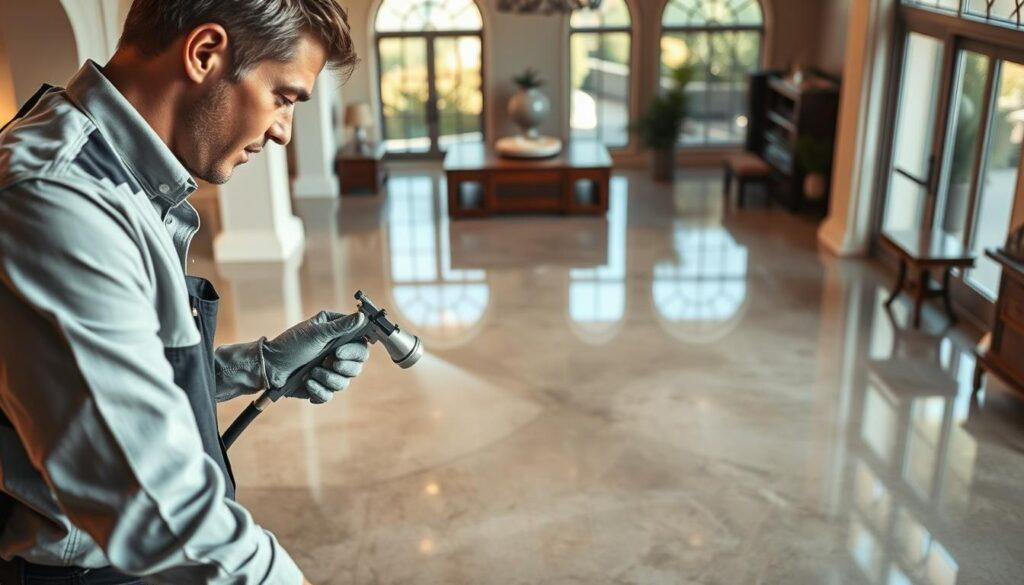
Your concrete’s finish needs regular care, more than a prize orchid. Its sealers are vital for protection. Without them, sun, salt, and spills can damage your floors. Think of maintenance as a way to talk to your floors regularly. Your sealer is like armor, and the schedule is your plan.
Think of your sealer as protective armor. It shields your concrete from UV rays, pool chemicals, and foot traffic. There are two main types: penetrating sealers that soak in, and film-forming sealers like epoxies or acrylics that create a top layer. Your maintenance schedule depends on your finish and sealer type.
Here’s your concrete’s non-negotiable service schedule, broken down by finish:
| Finish Type | Sealer Type & Schedule | Care Notes |
|---|---|---|
| High-Gloss Polished | Sacrificial Guard: Reapply a sacrificial guard (wax or commercial polish) every 6-12 months to maintain shine and protect the densified surface. Deep clean and reapply a breathable, penetrating sealer every 2-3 years. | Use a soft microfiber mop for dust. Avoid wax-based cleaners that can build up and dull the shine. |
| Honed / Burnished | Penetrating Sealer: A high-quality, breathable penetrating sealer is key. Reapply every 2-3 years after a deep clean. | Perfect for indoor-outdoor flow. Clean with a neutral pH cleaner. The sealer soaks in, leaving a natural, matte look. |
| Stamped & Colored (Outdoor) | Color-Enhancing Sealer: Critical for UV and stain protection. Reapply a UV-stable, film-forming sealer every 18-24 months. | Harsh chemicals and de-icers are the enemy. Power washing can damage the sealer; gentle cleaning is key. |
| Exposed Aggregate | Breathable Penetrating Sealer: Protects without a high-gloss film. Reapply every 3-5 years, or when water no longer beads on the surface. | Rinse thoroughly after cleaning to prevent dirt from setting in the aggregate. |
Daily and weekly care is as important as the sealing schedule. Harsh cleaners can harm your sealer. Avoid harsh chemicals like acetone or paint thinners; they can break down the sealer. Use a soft broom or blower for dust and grit. For cleaning, a neutral pH cleaner and a microfiber mop are best. This care prevents dirt and grit from damaging your floors.
Ignoring this schedule can lead to damage from the elements. But with regular care, your concrete will last for decades. It’s not just maintenance; it’s preserving your investment.
Cost ranges and installation timelines
Let’s talk about concrete finishes in a different way. Imagine them as an automotive showroom. On one side, you have a basic slab like a Toyota Camry. It’s reliable and affordable. On the other side, you have a custom-dyed, polished masterpiece like a Ferrari. Your budget decides your choice.
The cost of concrete finishes depends on three things: the finish type, the slab’s condition, and the installer’s skill. A simple re-finish can be a weekend project. But a detailed, polished finish for your great room? That’s a bigger investment. Good concrete work is worth the cost.
The Investment Spectrum: From Sedan to Supercar
Now, let’s look at common finishes for villas. We’ve listed their costs and how long they take. Remember, these are estimates. Your site and design can change these numbers.
| Finish Type | Approx. Cost Range (per sq. ft.) | Typical Project Timeline | Best For | The Analogy |
|---|---|---|---|---|
| Broom-Finished | $8 – $12 | 3-5 days | Driveways, utility areas, budget patios | The Reliable Sedan |
| Stamped & Colored | $15 – $30 | 5-10 days | Pool decks, patios, walkways | The Stylish Crossover SUV |
| Polished & Sealed | $18 – $30 | 7-14 days | Interior floors, high-end patios | The Luxury Sedan |
| Micro-Topping Resurfacing | $7 – $15 | 2-4 days | Interior floors, kitchen counters | The Sporty Hatchback |
| Artisan Stained & Scored | $25 – $50+ | 10-21 days | Grand entryways, statement patios | The Italian Supercar |
Time is Money (Literally)
The time it takes to finish a project adds to the cost. A simple resealing might take a weekend. But a complex project like a custom-stamped pool deck? That’s a bigger job. It takes 2-3 weeks with a full crew.
Remember, the real cost of a cheap finish is the replacement cost later. A polished, sealed floor with radiant heat? That’s a long-term investment in comfort and style.
So, think carefully before choosing. Are you buying a finish or investing in a foundation? The sedan gets you there. The sports car makes the journey the destination.
Design gallery: palettes that complement stone, wood, and plaster
Concrete is your foundation, but the finish is your signature. It’s where concrete turns from science to art. It’s not just a floor or wall; it’s the canvas that ties your Mediterranean villa together.
Forget matching. The goal is harmonizing. A cool, polished grey floor makes your reclaimed oak beams sing. It also makes Venetian plaster walls look like they were kissed by the Tuscan sun. A warm, honed terrazzo-look concrete can pull together the travertine in your courtyard and the rough-hewn wood of your ceiling beams, making the space feel not just built, but grown.
Your color and finish palette is your first, most powerful design statement. It’s the bassline of your design symphony. The right palette doesn’t just sit in the room; it conducts the entire space.
So, how do you compose this harmony? The key is to think in ensembles, not just individual pieces.
| Palette & Finish | Complementary Materials | Overall Vibe & Effect |
|---|---|---|
| Cool Grey & White Washed (Polished or Honed) |
Reclaimed Oak, Bleached Wood, Venetian Plaster, White Marble | Modern, airy, and luminous. Evokes a clean, minimalist villa feel, perfect for reflecting light and emphasising architectural lines. |
| Earthy Terracotta & Umber (Stained or Integral Color) |
Travertine, Terracotta Tiles, Textured Plaster, Wrought Iron | Warm, sun-baked, and authentic. Grounds the space, connecting it to the earth and traditional Mediterranean roots. |
| Warm Taupe & Sand (Honed or Burnished) |
Limestone, Weathered Wood, Linen Textiles, Copper Accents | Inviting and organic. Creates a seamless flow between indoor and outdoor spaces, feeling both sophisticated and relaxed. |
| Charcoal & Slate (Polished or Exposed Aggregate) |
Rustic Stone, Weathered Steel, Dark Stained Wood | Modern, dramatic, and grounded. Provides a bold, contemporary counterpoint to rustic wood beams and stone walls. |
This isn’t about a single, perfect match. It’s about the dialogue. Let the subtle veining in your polished concrete echo the veins in your marble countertop. Let the warm, earthy taupe of a stained concrete floor pull the coppery tones from your roof tiles down to the ground, tying the entire property together. The floor is not just something you walk on; it’s the foundation of your design story.
Conclusion: choose a finish for your climate and lifestyle
Choosing a concrete finish for your villa is more than just a design choice. It’s a long-term commitment to a material that will be with you for years. The story of your home is told in its surfaces.
The right finish is a balance between your lifestyle and the climate you live in. It’s practical and beautiful.
For a coastal villa, you need a finish that can handle the sun and salt. A mountain home needs something that can stand up to cold and ice. Your lifestyle determines the best finish for you.
Whether you want a polished look for a modern home or a textured finish for a busy family, there’s a finish for you. Your choice sets the tone for your daily life.
It’s the surface you walk on and the backdrop of your daily moments. Choose a finish that looks great today and tells a beautiful story for years to come.