

Let’s cut through the Instagram filters and get real about geography. Your garden ideas aren’t just about looks. They’re about making peace with Mother Nature.
I’ve seen people in Arizona try to grow banana plants. It’s like they’re trying to pass a bill in Congress. It never works out.
Your USDA zone is key. Mediterranean planting does well in zones 7-11. Here, winter isn’t harsh. It’s more like California’s sunny days.
Tropical garden ideas need zones 10-12. This is where the air is thick with humidity. It’s like a tense family Thanksgiving. Watering becomes a big deal here.
Mediterranean gardens use water wisely. Tropical gardens drink a lot. The question is, what will survive the climate?
Visual language: forms, textures, color palettes
If garden styles were fashion, Mediterranean would be like a classic Chanel suit. Tropical gardens are more like a Bob Marley tee. It’s not just about looks—it’s about the philosophy behind them.
Mediterranean gardens whisper, not shout. Their colors are like a sophisticated monologue: silvery greens, dusky blues, and earthy Tuscan tones. This creates what I call “elegant austerity.” It’s like a well-tailored suit—structured, intentional, and always in style.
Mintee’s garden shows the power of restraint. They use lavender, Agave ‘Blue Glow’, and Westringia in repeat plantings. This creates a rich tapestry without being loud. It’s a calculated choice, not an accident.
Texture tells a different story in Mediterranean gardens. These plants have rough, drought-resistant surfaces. Think of olive trees with their gnarled beauty. Lavender adds a pop of purple against silver leaves. It’s all about subtle contrast.
Tropical gardens, on the other hand, are like a jazz improvisation. They’re bold, chaotic, and full of life. Palms tower like skyscrapers. Banana leaves are big enough for dinner. Colors are so bright, they make Pantone charts look dull.
The texture in tropical gardens is slick and shiny. It’s like a glossy magazine cover compared to Mediterranean’s weathered look. It’s a different conversation, not better or worse.
What’s interesting is how these styles reflect their origins. Mediterranean plants are subtle because they had to survive with less. Tropical plants are bold because they had to compete in abundance. It’s like they’re showing off in different ways.
So, which style do you prefer? The quiet elegance of Mediterranean or the vibrant joy of tropical? Sometimes, the most important choice is what you choose not to say.
Signature plants: palms/bananas vs olives/lavender
Choosing between Mediterranean elegance and tropical exuberance is more than gardening. It’s a choice of philosophy. Are you Team Olive’s stoic wisdom or Team Palm’s perpetual vacation vibe?
Mediterranean signatures add continental sophistication to your backyard. Olive trees, with their gnarled trunks, tell stories of centuries past. Their silver-green leaves add instant character and texture.
Lavender doesn’t just look good; it scents your garden. Rosemary is beautiful and useful in cooking. These plants love sunny spots and well-draining soil, giving much with little effort.
Tropical signatures work differently. Palms wave their fronds like tourists who never want to leave. Bananas produce food while looking dramatic.
Hibiscus flowers add so much flair they practically need their own soundtrack. They scream “celebration” instead of whispering “tradition.”
The olive versus palm debate is more than about looks. Mediterranean plants talk of history, resilience, and a certain charm. Tropical plants shout life, energy, and eternal summer.
Your choice between these plants shows your gardening personality. Do you prefer ancient wisdom or immediate joy? Do you like understated elegance or bold celebration?
Both ways create beautiful landscapes. The choice depends on which philosophy fits your outdoor living vision.
Soil and fertilizer differences
Soil preferences set Mediterranean and tropical plants apart, like red and blue states on election night. Mediterranean plants are like rugged individualists, relying on themselves. Tropical plants, on the other hand, expect full support for growth.
Mediterranean soil is lean, like rocky hillsides, where plants must work hard to survive. It’s like a strict budget. Tropical soil, rich and organic, is like a never-ending feast for plants.
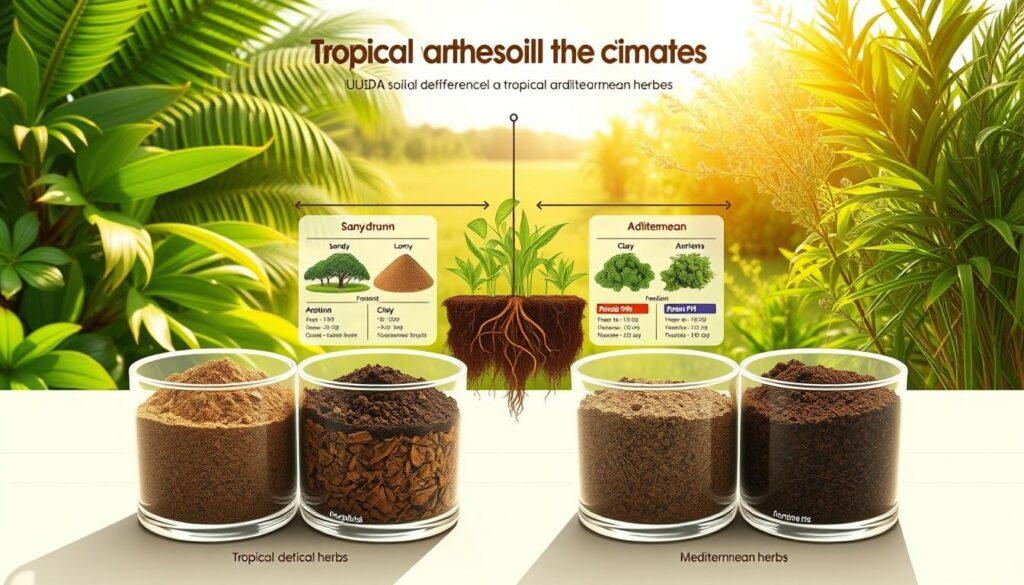
Your USDA zones decide the soil type in your garden. Lower zones need moist, nutrient-rich soil for tropical plants. Higher zones prefer dry, poor soil for Mediterranean plants.
Fertilizer choices show the big difference. Mediterranean plants get small, occasional feeds. Tropical plants get regular, heavy doses of nutrients for fast growth.
Terracotta pottery is a great compromise. It lets air and moisture pass through, balancing the needs of different soils.
Remember, your USDA zones shape your garden’s approach. They decide if it’s about stimulus or strict rules. Choose your soil wisely.
Hardscape materials that pair with each style
Your garden’s hardscape choices are like political affiliations. They either reinforce your aesthetic credibility or create confusing mixed messages. Mediterranean and tropical gardens demand different material palettes, each confronting their climate realities with architectural precision.
Mediterranean hardscaping reads like a materials list from a Tuscan villa restoration. Think terracotta pots that develop patina like fine wine, gravel paths that crunch underfoot with satisfying finality, and stone walls that whisper centuries of agricultural history. These materials don’t just tolerate drought – they practically celebrate it.
Tropical hardscape takes the opposite approach. Here we’re working with bamboo structures, dark wood decking, and materials that can handle constant moisture without dissolving like campaign promises. The humidity demands surfaces that breathe and drain.
Consider this material breakdown:
| Mediterranean (Drought) | Tropical (Humidity) | Climate Consideration |
|---|---|---|
| Terracotta pottery | Bamboo structures | Moisture resistance |
| Gravel pathways | Teak decking | Drainage capacity |
| Stone walls | Composite materials | Long-term durability |
| Concrete statuary | Natural stone | Heat tolerance |
Gravel gardens deserve special mention – they work best in sunnier spots away from deciduous trees. The crunch underfoot provides both practical drainage and acoustic satisfaction.
Your hardscape choices ultimately answer one question: are you building for desert survival or rainforest endurance? The right materials don’t just complete your garden styles – they ensure your landscape doesn’t become a cautionary tale about ignoring environmental realities.
Remember: Mediterranean materials age gracefully in sun and heat, while tropical selections must withstand constant moisture without compromising structural integrity. It’s the difference between designing for a climate that conserves water and one that redistributes it with tropical abundance.
Shade/canopy strategies and wind/salt tolerance
Think of shade in your garden like a tailored suit or a cabana. Both offer protection, but in different ways. Mediterranean gardens manage sunlight carefully, using olive trees to create beautiful patterns.
Tropical gardens, on the other hand, embrace shade with grandeur. Banana leaves and palm canopies act as natural roofs, filtering light. This creates a cool, biodiverse environment, like a five-star resort.
Mediterranean plants handle salty coastal winds with ease. Their silver-green leaves and waxy surfaces protect them from sea breezes. They’re like seasoned sailors.
But tropical plants are more delicate around salt air. Their large leaves, which create stunning canopies, are sensitive to salt. This raises a question: do you want plants that stand strong against the wind, or ones that offer dramatic beauty?
When your garden faces the elements, it’s a test. Will it show Mediterranean toughness or tropical adaptability? Your choice shows your gardening style – building a fortress or a paradise.
Pest/disease watchouts by region
Every garden style faces its own challenges. For Mediterranean plants, it’s fungal issues that thrive in warm, moist conditions. It’s like scandals waiting to happen when everything goes wrong.
Tropical gardens fight off insect armies that see lush growth as a feast. Mealybugs, scale, and mites grow fast, like conspiracy theories.
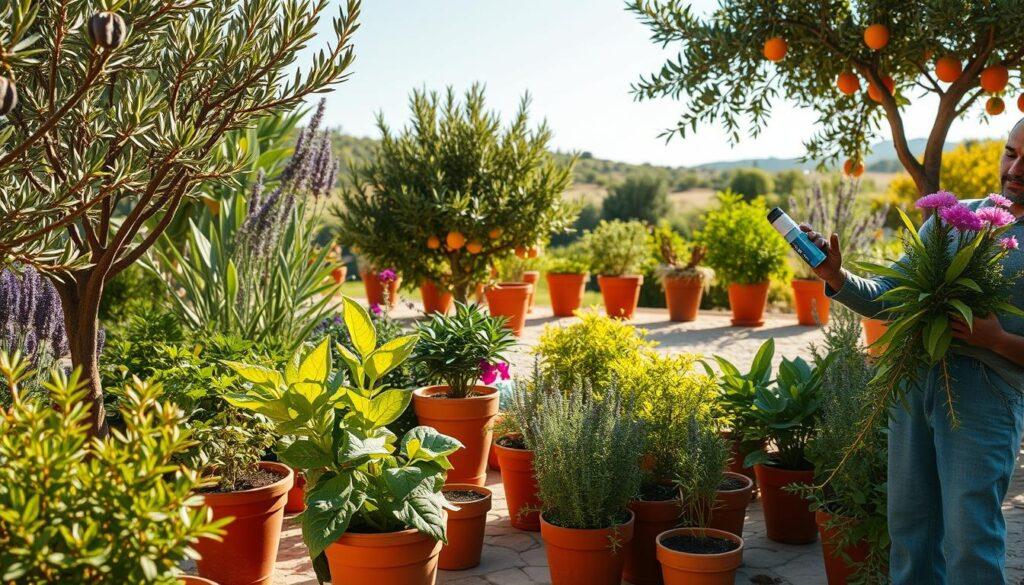
Regional watchouts are like the garden’s security briefings. Mediterranean gardens in humid areas risk fungal outbreaks. Tropical setups in dry regions face dehydration stress, making plants weak.
Knowing your enemy is key. It’s the stealthy fungal invasion or the obvious insect occupation. Your Mediterranean plants shouldn’t be casualties in these battles.
| Region | Primary Threats | Prevention Strategy | Treatment Approach |
|---|---|---|---|
| Mediterranean Climate | Fungal diseases, root rot | Improve drainage, space plants | Organic fungicides, pruning |
| Tropical Climate | Mealybugs, scale insects | Regular inspection, companion planting | Horticultural oils, beneficial insects |
| Transitional Zones | Mixed pest pressure | Microclimate management | Integrated pest management |
| Coastal Areas | Salt damage, wind stress | Windbreaks, salt-tolerant species | Rinsing foliage, soil amendments |
Pest management is like your garden’s diplomatic corps. Mediterranean plants need protection from fungal threats during humid spells. Tropical plants need defense against insect invasions.
The smart gardener acts as both diplomat and strategist. They monitor conditions, anticipate threats, and use countermeasures early. It’s about maintaining peace, not declaring war.
Hybrid palettes for transitional climates
Gardening in areas with changing climates is like hosting a big meeting. Places like Northern California and Central Florida are like the United Nations of gardening. Here, palms vs olives is not a fight but a peaceful agreement.
To garden well in these areas, you need to be diplomatic. You’re not picking a side; you’re making friends. Some parts of your garden like the Mediterranean style, while others prefer the tropics. The key is to work with these differences, not fight them.
Creating a “Mediterropical” garden means finding plants that get along. Lavender and banana plants can live together happily. The trick is to know your garden’s different areas well.
Some plants from the Mediterranean can handle more humidity than you think. And some tropical plants can survive dry spells better than you expect. It’s all about finding plants that are flexible, not strict.
| Mediterranean Elements | Tropical Adaptations | Transitional Champions |
|---|---|---|
| Olive trees (drought-tolerant varieties) | Windmill palms | Mediterranean fan palms |
| Lavender (well-drained areas) | Banana plants (protected spots) | Yucca varieties |
| Rosemary (elevated planting) | Bird of paradise | Oleander shrubs |
| Agapanthys | Elephant ears | New Zealand flax |
The best gardens treat their soil like a political strategy. Mediterranean areas get good drainage, while tropical spots get more water. It’s not cheating; it’s smart planning.
Transitional gardening is not about giving up. It’s about making something new and beautiful. Your garden becomes a living example of what’s possible. Here, palms and olives don’t just live together; they make each other look better.
Container and courtyard adaptations
Container gardening is like giving your plants diplomatic immunity. They can ignore the usual climate rules of your area. It’s a clever way for those in the wrong USDA zones to grow the plants they want.
With containers, you can control the climate. Want a Mediterranean olive tree in Minnesota or a tropical banana plant in Montana? It’s all possible with the right container strategy.
Terracotta pottery is great for plants that like well-drained soil. It’s like giving them their own little embassy in a foreign land. The soil in terracotta pots is dry and rocky, just what Mediterranean plants prefer.
Mediterranean plants in containers can travel with you. Move them to a safe place when winter comes. It’s like they have their own escape plan.
Tropical plants in pots bring vacation vibes to the North. They add a lush, exotic feel from May to September. Then, they move to a greenhouse when it gets cold.
Courtyard adaptations are like gardening in a big city. You make the most of small spaces. Mediterranean courtyards use terracotta and gravel to feel bigger. Tropical courtyards stack plants like skyscrapers.
Container gardening lets you ignore where you live. It’s like having friends who can bend the rules for you. Your plants get special treatment because of their containers.
| Adaptation Strategy | Mediterranean Style | Tropical Style | USDA Zone Impact |
|---|---|---|---|
| Container Material | Terracotta for drainage | Glazed ceramic for moisture | Extends range by 2-3 zones |
| Winter Protection | Unheated garage | Heated greenhouse | Allows zone cheating |
| Soil Mix | Gritty, fast-draining | Moisture-retentive | Creates micro-climates |
| Seasonal Movement | Sun exposure rotation | Indoor/outdoor transition | Overcomes zone limitations |
This isn’t just gardening – it’s a clever strategy. You create micro-climates that ignore your USDA zones. Your courtyard becomes a special place with its own climate rules.
The container revolution lets you garden beyond your zip code’s climate. You can grow Mediterranean or tropical plants, no matter what the USDA says.
It’s a gardening democracy. Every plant has a chance, no matter its native climate or your USDA zones. Containers make gardening fair for all.
Seasonal care and overwintering tips
Seasonal gardening is for the dedicated, like true political supporters. When it gets cold, your garden care must be precise. It’s like a diplomat navigating complex international relations.
Mediterranean plants handle winter lightly, with some mulch or a frost cloth. They rely on their drought-resistant genes to survive the cold. Tropical plants, on the other hand, need to be moved indoors to escape the cold.
Managing drought vs humidity is key in seasonal gardening. Mediterranean gardens need protection from winter wet. Tropical plants need humidity control when it’s dry indoors. Knowing your plants’ needs is like a politician understanding their voters.
Tropical plants that loved the summer heat and humidity need a change when winter comes. Treat them as houseplants, keeping them moist. Recognizing their climate needs is essential before the first frost.