
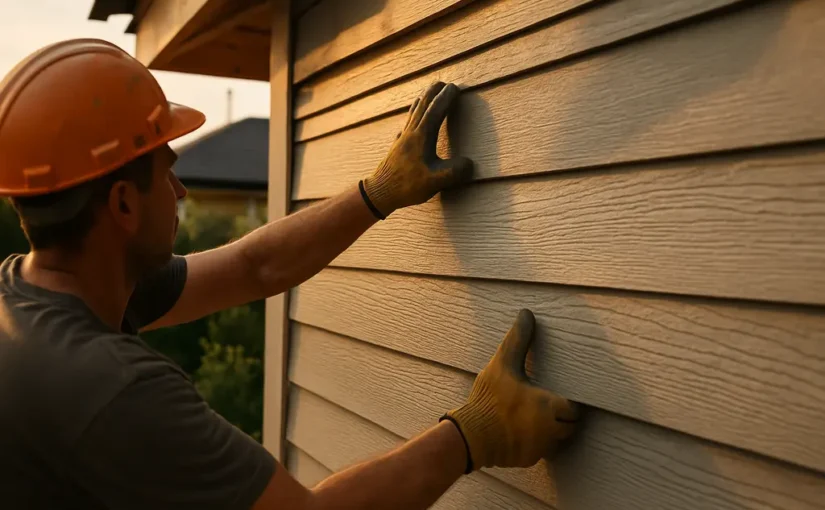
Fiber-Cement Siding is one of the more interesting exterior upgrades in the 2025 remodeling data because it paired a high national cost with an even higher reported resale value. That does not make it the right answer for every house. Siding decisions are local, labor-sensitive, and tied to moisture control, wall condition, insurance concerns, and how long you expect to keep the property.
As a designer and materials consultant, I treat siding as both a finish and a protective assembly. The board profile and color matter, but so do flashing, trim transitions, caulk joints, drainage, and installer skill. A good-looking siding job can still fail if water is trapped behind it or if dust and cutting hazards are handled casually. The safest decision starts with cost recovery data, then tests that data against the house in front of you.
Why Fiber-Cement Siding Cost Recovery Stands Out
Fiber-Cement Siding Versus Vinyl In 2025
The 2025 Cost vs. Value Report listed a national average job cost of $21,485 for replacing siding with fiber cement and an estimated resale value added of $24,420. That equals about 113.7% cost recovery, based on the report data for fiber-cement siding replacement. In the same national data, vinyl siding replacement cost about $17,950 and added $17,313 in resale value, or about 96.5% cost recovery.
That spread is meaningful, but it deserves a careful reading. Cost recovery is not a profit forecast for a specific home. It is an average estimate drawn from a modeled project scope. Your result may shift if the existing sheathing is damaged, trim must be rebuilt, windows need integration work, or local labor rates sit above the national average. That is why Fiber-Cement Siding should be priced as a system rather than a simple face-lift.
Why A Higher Cost Can Still Make Sense
The research notes place installed fiber cement at about $6 to $14 per square foot in 2026, depending on finish, location, and whether paint is factory applied. Vinyl was listed at about $3 to $12 per square foot installed. On paper, vinyl can reduce upfront exposure, especially on short ownership timelines. Fiber cement asks for a larger commitment, but it may also send a stronger resale signal where buyers expect a more durable exterior.
The national comparison suggests that siding is one of the exterior categories where spending more can be rational, not cosmetic indulgence. Still, I would not advise choosing it by percentage alone. Homeowners should compare bids that describe the same scope: removal, disposal, water-resistive barrier, trim, flashing, paint or factory finish, caulking, and warranty terms.
Regional Results And Market Fit
Pacific And Middle Atlantic Signals
Regional data shows why averages can mislead. In the Pacific region, fiber cement siding replacement was estimated at $22,555, with $29,422 in resale value added, producing about 130.4% cost recoup. Vinyl siding in that same regional comparison recouped about 100.4%, according to the San Diego resale-value summary of home improvement returns. That is a strong result, but it reflects a specific region and market context.
In Pennsylvania’s Middle Atlantic region, the research notes reported a different pattern: fiber cement siding replacement at $25,666 in job cost and $25,475 in resale value added, or about 99.3% recovery. Vinyl in that region was about 96.3%. That does not make fiber cement weak; it means the local cost base and resale response were closer together. A homeowner in that region would still have reasons to choose fiber cement for durability, appearance, or fire performance, but the financial case would be less dramatic.
How To Read Local Demand
Before approving a siding contract, look at nearby homes that sold with updated exteriors. You are not trying to copy every neighbor. You are trying to learn whether buyers in your area appear to reward crisp exterior condition, noncombustible cladding, or wood-look siding. A local agent can help interpret buyer expectations without turning the project into appraisal or mortgage advice. For a related real estate perspective, consulting a professional in the area can be useful as a starting point.
Design fit also matters. A clean lap siding profile can look appropriate on many homes, but trim sizing, corner boards, exposure width, and color contrast need to suit the architecture. If the exterior already has stucco, stone, brick, or older wood siding, study how the new material will meet those edges before ordering. For a broader material comparison, see this related piece on exterior material choices.
Durability, Maintenance, And Safety Limits
Service Life And Upkeep Expectations
The research notes estimate fiber cement service life at roughly 30 to 50 years with proper maintenance, compared with about 20 to 40 years for vinyl. That does not mean fiber cement is maintenance-free. Field-painted material may need repainting every 10 to 15 years, while factory-finished material may stretch closer to 15 to 25 years before repainting, based on the notes provided. Regular caulking and inspection remain part of ownership.
Over a 50-year period, the research notes place maintenance for a 2,000-square-foot home at about $15,000 to $28,000. That range is wide because repainting, caulk failure, sun exposure, and local labor costs vary. A shaded, mild-climate wall may age differently from a south-facing elevation in intense sun. Salt air, freeze-thaw cycles, and poor roof drainage can shorten finish life if details are weak.
Why This Is Not A Casual DIY Job
Fiber cement is heavier than vinyl in the research notes, about 2.5 pounds per square foot compared with roughly 0.5 pounds per square foot for vinyl. It is also harder to cut and can create silica dust, which is a health concern if handled without proper equipment and controls. The notes also report labor costs often running 30% to 50% higher than vinyl because of weight, cutting, and installation demands.
For homeowners, the practical takeaway is clear: small cosmetic repairs may be manageable for an experienced DIYer, but full siding replacement is usually professional work. Hire a qualified contractor who understands manufacturer instructions, dust control, flashing, clearance requirements, and safe staging. Avoid improvised cutting, unsupported ladders, and any work that disturbs unknown older materials without assessment.
- Ask for scope clarity: The bid should identify removal, wall preparation, trim, flashing, finish, and cleanup.
- Check safety practices: Cutting methods and dust control should be discussed before work starts.
- Review maintenance terms: Know whether repainting, caulking, and finish care are your responsibility.
- Confirm wall repairs: Damaged sheathing or water intrusion should be corrected before new cladding goes on.
Budget Planning Before You Replace Siding

Short-Term Ownership Versus Longer Hold
If you expect to sell soon, your siding decision should be conservative. A project that averages strong recovery can still overrun if hidden damage appears or if the house is in a market that does not reward the material premium. In that situation, vinyl may be a lower-risk option if the existing exterior simply needs a clean, code-compliant refresh and local buyers accept it.
If you expect to stay longer, the calculation changes. Durability, repainting intervals, and fire performance may matter more than first cost. The research notes describe fiber cement as Class A and non-combustible, while vinyl can melt or deform under heat. In wildfire-prone or high-burn-risk areas, local rules or insurance preferences may favor noncombustible siding. Confirm requirements with your local building department and insurer before assuming a product qualifies.
Bid Comparisons That Prevent Bad Math
Two siding bids can look similar and still describe very different projects. One may include factory-finished boards, upgraded trim, and full water-resistive barrier replacement. Another may assume field painting and minimal wall preparation. Cost recovery data cannot protect you from an incomplete scope.
I recommend asking each contractor to price the same written scope and to identify allowances separately. If windows, doors, decks, gutters, or exterior lights must be removed or reset, that should appear in the bid. If paint is not included, get that number before comparing the project against resale-value reports. Good design choices are not only about taste; they are about reducing vague assumptions before the wall is opened.
Fiber-Cement Siding Cost Recovery Decision
A Practical Selection Test
Use the 2025 data as a screening tool, not a command. The national 113.7% recovery figure is strong, and the Pacific regional figure was stronger, but the Middle Atlantic example sat just below breakeven. That range tells us the material has real market appeal, yet performance depends on region, installation price, and buyer expectations.
A Fiber-Cement Siding decision is most defensible when the home needs exterior renewal anyway, the local market values upgraded cladding, the contractor can document safe installation practices, and you are prepared for repainting and caulking over time. If those conditions are not present, a lower-cost siding choice or a smaller exterior repair may be the wiser move. The best upgrade is the one that protects the structure, fits the neighborhood, and leaves you with a budget you can still live with after the last board is installed.