
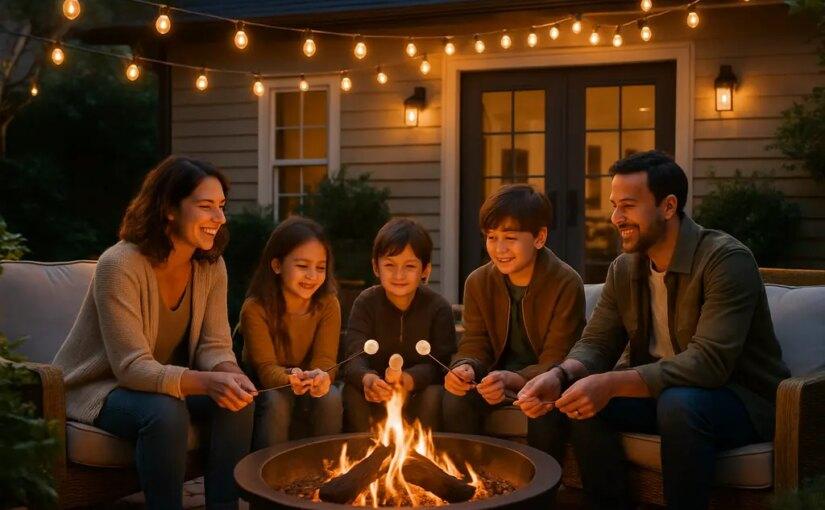
Outdoor living spaces are no longer being treated as a cosmetic extra that only matters at listing time. Recent 2026 homeowner data points to a quieter, more practical shift: people are renovating patios, porches, decks, gardens, and covered areas because they want these places to work for ordinary life. For villa owners, that changes the design brief. The goal is not simply to impress a future buyer. It is to create a safe, durable, usable exterior room that supports sitting, eating, reading, gardening, and family routines without creating maintenance burdens or unsafe DIY risks.
As an architect, I see this as a healthy correction. Resale value still belongs in the conversation, but it should not be the only measure of success. A shaded seat used five evenings a week may be a better household investment than a dramatic feature that looks appealing in photographs but sits empty, overheats, or requires specialist servicing.
Why Outdoor Living Spaces Became Daily Rooms
Outdoor Living Spaces And Household Routines
The clearest signal comes from the 2026 Houzz Outdoor Trends Study, which surveyed about 1,191 U.S. homeowners during April and May 2026. In that study, only 15% of respondents said resale value motivated their outdoor renovations, while 25% said they wanted to make the space more livable, according to Houzz outdoor findings. That gap matters because it shows homeowners judging projects by daily function, not only by future market appeal.
The same research supports what many villa owners already feel: exterior areas are being furnished and zoned much like interior rooms. Among homeowners who renovated outdoor areas, 83% included a lounge or seating area, and 71% included indoor-style sofas or lounge chairs. These are not token benches at the edge of a patio. They are signals that homeowners want comfort, conversation, and regular use.
Design Signals From 2026 Renovations
Several project choices from the Houzz data reinforce the daily-use pattern. Outdoor cooking areas appeared in 48% of renovated projects. Gardening zones appeared in 49%. Quiet retreats or reading nooks appeared in 53%, while dining areas appeared in 55%. A villa plan that ignores these overlapping uses can quickly feel awkward: a grill too far from prep surfaces, a reading corner without shade, or dining furniture placed where afternoon glare makes meals uncomfortable.
For practical planning, I prefer to start with a simple question: what will the household do outside in a normal week? The answer usually matters more than a catalogue of features. One family may need a shaded dining table near the kitchen. Another may need a small morning coffee terrace, a gardening edge, and low-glare evening lighting. For readers comparing layout choices, this related discussion of practical outdoor design pairs well with the same evidence-based approach.
Resale Value Is No Longer The Main Driver
What The Numbers Suggest
The shift away from resale-first thinking does not mean value has disappeared. It means value is being defined more broadly. A space can support enjoyment, comfort, and household flexibility even if it is not chosen for maximum cost recovery. That is especially relevant for villas used as weekend homes, multigenerational retreats, or seasonal residences, where the exterior often carries much of the lived experience.
Another useful detail from the 2026 Houzz data is the increase in professional involvement. The share of homeowners hiring professionals for outdoor renovations rose from 65% in 2024 to 71% in 2026. This does not mean every planter, chair, or gravel path requires a contractor. It does suggest that homeowners are recognizing the technical side of exterior work: drainage, attachment points, shade loads, lighting safety, outdoor kitchens, and transitions between wet and dry zones.
Cost Recovery Should Stay In Context
Resale thinking can still protect homeowners from overbuilding. The caution is to avoid treating every outdoor feature as financially equal. The research notes indicate that simple maintenance and repair items can have stronger cost recovery than some expensive features, while livability remains a common reason for outdoor remodeling. That supports a measured approach: repair unsafe surfaces, improve shade, create comfortable seating, and avoid oversized specialty features unless the household will truly use them.
For villa owners, this often means spending first on the bones of the space. Level walking surfaces, stable railings where needed, weather-tolerant materials, drainage, and shade usually deserve priority over decorative extras. A beautiful terrace that ponds water near the door is not a successful terrace. A large cooking zone without safe clearances or professional utility work is a liability, not an upgrade.
Plan Comfort Before Expensive Features
Shade, Seating, And Climate Control
Shade deserves special attention because comfort depends on it. Window Fashion VISION reported that, in 2026, 35% of homeowners undertaking structural outdoor projects added shade structures, a rise of 15 percentage points from 2024, based on shade structure trends. That increase is not surprising. Without shade, many patios fail during the hours people most want to use them.
Still, shade is not one product. A fabric canopy, pergola, roof extension, shade sail, tree canopy, and screened porch all behave differently. Some are simple furnishing choices. Others affect structure, wind exposure, foundations, roof drainage, and permits. Before selecting a system, study sun angles, prevailing wind, furniture layout, and how rainwater leaves the area. If a shade element is attached to the house or must resist wind loads, bring in a qualified professional rather than relying on guesswork.
Use Zones Rather Than Feature Lists
A practical villa exterior usually works best as a set of zones rather than one large decorated platform. Keep the daily sitting zone close enough to the house that it gets used. Place dining where serving and cleanup are realistic. Give gardening zones access to water without creating muddy traffic through seating areas. Keep quiet corners away from cooking smoke and high-traffic paths.
- Safe DIY candidates: movable furniture planning, container planting, outdoor rugs rated for exterior use, simple decor, and freestanding umbrellas used according to the manufacturer’s instructions.
- Projects to price carefully: fixed shade structures, built-in kitchens, new exterior lighting, deck alterations, drainage corrections, railings, gas lines, plumbing, and work tied into the building envelope.
- Planning priority: solve heat, glare, water, tripping points, and circulation before buying statement pieces.
This is where restrained design often wins. One shaded seating group with durable materials and good circulation can outperform a crowded patio with too many specialized elements. For homeowners comparing villa examples and builder portfolios, exploring custom home planning resources can be useful as a reference point for how exterior decisions connect back to the main structure.
DIY Limits And Professional Help
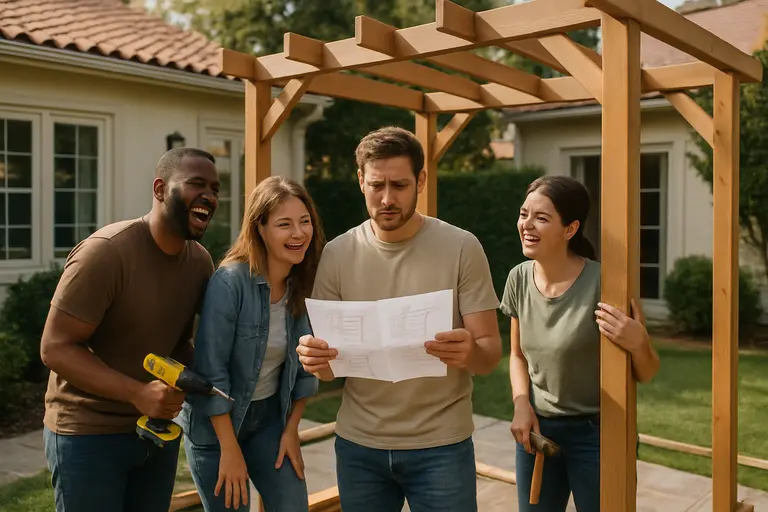
Where Homeowners Can Safely Participate
Homeowners can and should participate in the planning process. Measuring how the family uses the space, noting hot areas, testing furniture locations with temporary chairs, and observing where water collects after rain are all useful DIY steps. These observations give designers and contractors better information and help prevent expensive changes after construction starts.
Material selection is another area where homeowner involvement helps. Sit in sample chairs before ordering a full set. Check whether cushions are practical to store. Compare paver textures with wet shoes. Think about cleaning, not only appearance. A weekend villa that sits closed for periods may need materials that tolerate dust, pollen, moisture, and delayed maintenance better than delicate finishes.
Where The Risk Rises
The safety line becomes firmer once a project involves structure, electrical supply, gas, plumbing, elevated decks, exterior stairs, major grading, or waterproofing at the house. These are not good trial projects. Poor work can lead to falls, leaks, fire risk, drainage problems, or costly repairs hidden behind finished surfaces. Hiring a qualified professional is not an admission that the homeowner lacks skill; it is a recognition that some systems must be designed and installed with accountability.
Permits and local requirements also vary. The research provided here does not establish code rules for any specific city or county, so homeowners should verify local requirements before starting fixed construction. That caution is especially important for villas in coastal, hillside, wildfire-prone, or high-wind settings, where exterior choices can have safety implications beyond comfort.
Outdoor Living Spaces As Everyday Villa Infrastructure
Outdoor living spaces should now be planned as everyday infrastructure for villa life: part room, part garden, part weather-management system. The 2026 data supports a practical reading of homeowner priorities. People are investing in seating, dining, cooking, gardening, quiet retreats, and shade because they want exterior areas that support real use. Resale value remains a factor, but it is no longer the dominant story in the strongest recent findings.
The most sensible path is measured and household-specific. Start with how the space will be used. Correct safety and comfort problems first. Treat shade, drainage, circulation, and durable seating as core design decisions. Keep DIY work to lower-risk choices, and bring in professionals for structural, utility, and building-envelope work. A villa exterior planned this way may not shout for attention, but it is far more likely to be used, maintained, and appreciated.