
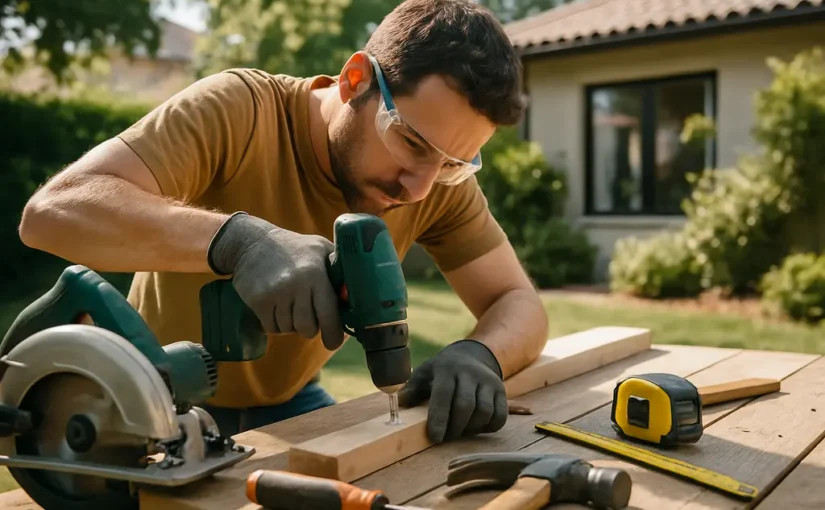
Tool buying trends in 2026 are less about collecting equipment and more about controlling scope. For villa owners, that means buying tools and materials around maintenance, repairs, availability, and the point where a qualified professional is the safer choice. A sander, driver, wet saw, or paint sprayer is not a project plan by itself; it is only useful if it fits the work, the home, and the risk.
The spending signals support a cautious approach. Angi reported that in mid-2026, 63% of homeowners had done maintenance, 58% had done repairs, and 35% had completed renovations, which suggests many households are protecting existing homes rather than starting large remodels Angi home spending data. Farnsworth also reported that in Q2 2026, about 72% of homeowners completed maintenance work while renovations stayed near 36%, with project spend rising among those who did proceed Farnsworth DIY statistics.
What 2026 Tool Buying Trends Say About Scope
Tool Buying Trends And Maintenance Work
The first practical reading is simple: buy for the work you will repeat, not for a one-time fantasy project. If maintenance and repairs are taking priority, the strongest purchases are often basic, durable items that support surface preparation, fastening, measuring, cutting trim, patching, cleaning, and safe access to low-risk areas. A homeowner repainting shutters, refreshing cabinet pulls, repairing screens, or replacing weatherstripping may get real use from a drill-driver, clamps, a sanding block system, protective equipment, and reliable measuring tools.
This does not mean every villa needs a workshop full of specialty equipment. In many homes, tools are like guests at a dinner table: the regulars deserve a proper seat, while the rare visitors can be borrowed or rented. A tile saw for one small backsplash, for example, may not justify storage, maintenance, and learning time if the project already requires a skilled installer for substrate, waterproofing, or layout. Tool buying trends point toward disciplined buying because project costs are high enough that waste matters.
Matching Tool Purchases To Building Materials
Building materials also shape the buying decision. Softwood trim, fiber-cement siding, porcelain tile, natural stone, composite decking, and lime-based plaster do not ask for the same accessories, blades, fasteners, dust control, or surface preparation. Before buying a tool, read the material manufacturer’s installation instructions and check whether the work affects warranties. If the instructions call for a specific blade type, fastener spacing, adhesive, curing time, or protective gear, treat that as part of the tool budget rather than an afterthought.
For villa owners, this is especially relevant outdoors. Exterior materials deal with sun, rain, wind, salt air in coastal areas, and thermal movement. A cheap tool that chips pavers, tears siding, or leaves uneven fastener depth can make a modest repair more expensive. The practical purchase is the one that helps preserve the material, not the one with the longest feature list.
Price, Stock, And Quality Before Tool Features
Availability Can Change The Project Plan
Homeowners are also responding to stock and channel issues. The research notes for 2026 show big-box retailers still held a dominant share of homeowner purchases, while online pickup and delivery became more influential, and homeowners switched suppliers for better price, in-stock items, and more options. That matters because tool buying is now tied to scheduling. If the matching fasteners, sealant, filters, batteries, or replacement blades are unavailable, the tool may sit idle while the project area remains half-finished.
A sensible purchase check has three parts: can you get the tool, can you get the consumables, and can you get the same consumables again later? Battery platforms, sanding discs, replacement bits, dust bags, and compatible blades should be easy to source from more than one channel. A low purchase price loses its appeal if a minor accessory delay stops the work during a short villa visit or weekend repair window.
Quality Is Not The Same As Maximum Power
Quality should be judged by fit for task. A homeowner installing shelves in a pantry does not need the same drill, bits, or dust control as a contractor drilling masonry all week. A villa owner cutting a few pieces of trim may benefit more from a stable work surface, a sharp appropriate blade, hearing protection, eye protection, and accurate layout tools than from buying the most forceful saw available.
This is where tool buying trends should be interpreted with restraint. Price, quality, and durability all matter, but the safest choice depends on the project boundary. Tools with better control, guards, clear manuals, dust collection options, and compatible protective gear often suit homeowners better than tools designed around speed alone. If a tool feels difficult to control during a dry run, that is information, not a challenge to overcome.
- Buy tools used across several low-risk projects, such as measuring, clamping, light fastening, sanding, painting, and surface prep.
- Rent or borrow specialty tools for short, contained work where the material and safety requirements are well understood.
- Hire qualified professionals for electrical, gas, major plumbing, structural changes, roofing, extensive ladder work, and work requiring permits or trade licensing.
DIY Limits, Pro Help, And Tool Purchases
Budget Pressure Makes Boundaries More Valuable
Angi’s 2026 findings also show why boundaries matter: among homeowners who hired a professional, 92% finished at or above budget and 43% went over budget, with more than a third of those exceeding their original plan by at least 30%. Those figures do not mean homeowners should avoid professionals. They mean early scoping, written estimates, contingency planning, and clear responsibility for materials are needed before buying tools or starting demolition.
A common mistake is buying tools to reduce labor cost before the project has been divided into safe DIY tasks and professional tasks. Painting a bedroom after proper surface preparation may be reasonable for many homeowners. Moving wiring, altering a load-bearing wall, cutting into gas lines, or waterproofing a shower assembly is different. The risk is not only personal injury; it can include hidden water damage, failed inspections, voided warranties, or future repair costs that exceed the savings.
Hybrid Planning Without Confusing Responsibility
Many projects benefit from a shared approach, even if the research sources used here focus more on spending and project type than contract structure. A homeowner might handle clearing rooms, selecting finishes, painting non-critical areas, or assembling furniture, while a contractor handles framing, waterproofing, electrical, plumbing, or exterior envelope work. The key is to avoid gray zones. If a professional is responsible for performance, ask which prep work you may safely do without affecting their warranty or schedule.
For a narrower checklist on matching equipment to scope and safety, our related notes on interior tool buying guidelines can help homeowners separate useful purchases from risky overreach. For readers interested in how finished homes are constructed and planned, J. Siemering Homes serves as a valuable builder resource within this network.
Tool Buying Trends For Safer Villa Projects
Tool Buying Trends As A Planning Filter
The most useful way to read tool buying trends is as a planning filter. Start with the project category: maintenance, repair, or renovation. Then list materials, safety risks, required accessories, dust or noise concerns, and the point where a professional takes over. Only after that list is clear should the homeowner compare price, quality, durability, and availability.
This order protects both the budget and the building. A villa is not just a collection of finishes; it is a set of systems that manage structure, water, air, power, and comfort. Tools that touch cosmetic layers can still create deeper problems if used without context. Sanding old coatings, cutting cement-based materials, grinding masonry, or drilling exterior assemblies can raise dust, moisture, and envelope concerns that deserve caution.
A Practical Buying Standard For 2026
A homeowner investing in DIY projects in 2026 should ask five questions before checkout. Will I use this tool more than once? Do I understand the material requirements? Are the accessories and replacement parts easy to obtain? Can I use it safely with the protective equipment and space I have? Would a failed attempt create a repair that requires a professional anyway?
If the answer is uncertain, pause. Rent the tool, take a class from a reputable local supplier, ask the contractor what preparation is acceptable, or shift the task to a qualified trade. The right purchase is not always the largest tool or the lowest price. In 2026, the better reading of tool buying trends is sober and practical: buy for repeatable maintenance, respect material requirements, protect the home’s systems, and hire skilled help before risk outruns experience.