
For homeowners planning a villa refresh, curb appeal ROI is useful only when it is read with caution. Recent remodeling reports have favored smaller exterior projects, but those percentages are national averages, not promises for a specific street, buyer pool, or house condition. A well-chosen exterior project can reduce the impression of deferred maintenance; a poorly scoped one can waste money or create safety risks.
As an architect, I treat these reports as a first filter rather than a design brief. The sensible question is not, “Which project has the highest percentage?” It is, “Which visible defect is holding this home back, and can it be corrected safely without triggering larger repairs?” That distinction matters for villas, where entry sequence, garage frontage, walls, planting beds, and thresholds often form one visual composition.
What The Reports Say About Curb Appeal ROI
Numbers That Favor Exterior Work
The September 2025 Cost vs. Value reporting cited garage door replacement at about $4,672 in average national cost and about $12,507 in resale value, or 267.7% cost recovery. The same reporting cited steel entry door replacement at about $2,435 in average cost and 216.4% cost recovery. It also reported vinyl siding replacement at about 96.5%, fiber-cement siding at 113.7%, and manufactured stone veneer at about 207.9% cost recovery, according to the 2025 Cost vs. Value figures.
Those figures explain why exterior replacement work is often discussed before large interior renovations. A front elevation is evaluated quickly, sometimes before a buyer or guest reaches the threshold. That does not make curb appeal ROI automatic. The strongest reported returns tend to come from projects that correct highly visible wear, update a dated component, or make the property appear better cared for.
Curb Appeal ROI Without Overbuilding
Curb appeal ROI can be diluted when a modest home receives one isolated upgrade that looks more expensive than the surrounding materials. A new garage door beside faded trim, cracked paving, or tired planting beds may call attention to the remaining problems. The better design move is usually a coordinated exterior edit: repair, clean, paint where appropriate, then replace the components with the clearest visual and functional case.
The 2025 Remodeling Impact Report from NAR and the National Association of the Remodeling Industry, as summarized by Yard & Board, found a new steel front door offered 100% cost recovery, while a fiberglass front door was about 80%. It also placed window replacement at 74% for vinyl and 71% for wood, while total kitchen and full bathroom renovations recovered about 60% and 50% respectively, based on the NAR/NARI resale comparison. These figures support a practical lesson: visible, contained exterior work can compete strongly with more expensive interior projects, but the right project depends on condition.
Choosing Minor Projects Before Major Remodels
Garage And Entry Door Decisions
Garage doors and front doors sit at eye level and occupy major portions of many villa facades. If they are dented, weathered, poorly scaled, or stylistically disconnected from the house, replacement can have a larger visual effect than another interior finish upgrade. The design choice should still be disciplined. Match the door style to the architecture, avoid fake detailing that conflicts with the home, and keep color decisions tied to roof, wall, paving, and metal finishes.
Door replacement is not always a casual DIY project. Garage doors include heavy moving parts and spring systems that can injure an untrained person. Entry doors affect security, weather sealing, threshold performance, and sometimes frame alignment. Painting an accessible door and changing simple hardware may be within reach for a careful homeowner, but full replacement is often better handled by a qualified installer, especially when the opening is out of square or water damage is visible.
Siding, Stone Veneer, And Planting Beds
Siding and manufactured stone veneer can report strong cost recovery, but they also carry more risk than a paint refresh. Water management behind cladding matters. If flashing, housewrap, drainage planes, or wall penetrations are mishandled, a cosmetic upgrade can become a moisture problem. For villas with stucco, stone, or mixed cladding, I advise homeowners to ask for wall-section explanations from contractors before signing. A pretty sample board is not enough.
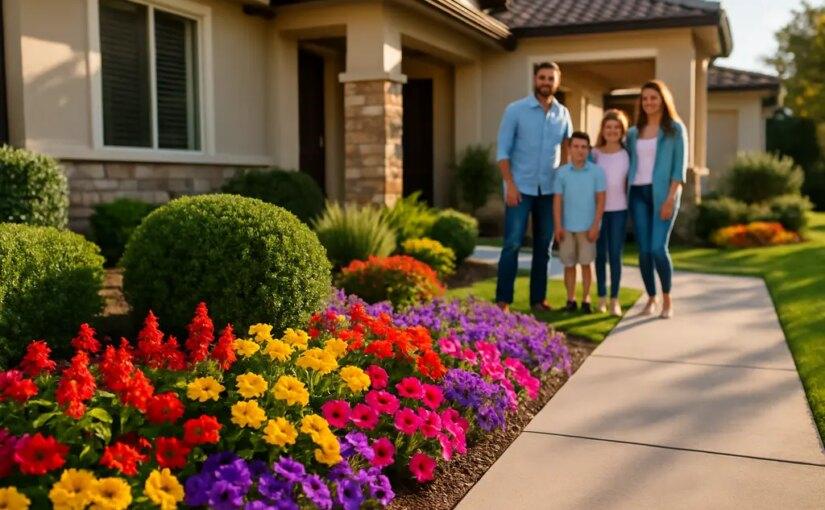
Planting beds, mulch, trimming, and resodding where needed can help remove the sense of neglect. These are often more DIY-friendly than cladding or door replacement, provided the work stays at grade and avoids irrigation, electrical lighting, drainage corrections, and large tree work. For a broader cost-recovery discussion, the related piece on curb appeal upgrades beating large remodels is a useful companion to this planning approach.
DIY Limits And Professional Safety Checks

Work Homeowners Can Often Scope Safely
Minor curb appeal work can start with observation rather than tools. Walk the approach from the street to the front door and note what looks worn, mismatched, or unsafe. Peeling paint, corroded hardware, stained paving, tired mulch, bent house numbers, and overgrown beds all affect first impressions. These items do not require a major remodel plan; they require judgment, a modest budget, and clear stopping points.
- Good DIY candidates: low-height cleaning, simple planting-bed refreshes, loose debris removal, basic hardware swaps, and repainting small accessible surfaces when substrate condition is sound.
- Use caution: exterior painting above comfortable reach, pressure washing near old finishes, and work around glass, stairs, or uneven paving.
- Hire qualified help: garage door replacement, new entry doors with frame work, siding, stone veneer, structural trim repairs, drainage corrections, electrical lighting, and major tree pruning.
Tool choices should follow the project rather than the other way around. If a task requires unfamiliar cutting, lifting, fastening, or work at height, buying a tool does not make the project safe. Homeowners comparing basic equipment can explore their options at High Pro Tools, but manufacturer instructions and personal limits should set the boundary.
Permits, Moisture, And Existing Damage
Before pricing any exterior upgrade, inspect for symptoms that change the scope: soft trim, water staining, cracked stucco, rusted fasteners, swelling at door thresholds, or soil against wall finishes. These signs do not diagnose the problem, but they do warn against cosmetic cover-ups. If water has entered the assembly, replacement work should pause until the cause is understood by a qualified contractor or building professional.
Local permit rules vary, so homeowners should confirm requirements with their local building department before exterior replacements. This is especially true for doors, windows, cladding, generators, and any work affecting structure, energy performance, weather resistance, or electrical systems. Reports can tell you what projects performed well nationally; they cannot tell you whether your home needs a permit, repair sequencing, or a different material for local exposure.
Curb Appeal ROI Priorities For Villa Exteriors
A Practical Order Of Operations
Use curb appeal ROI as a ranking tool, not a guarantee. Start with maintenance defects, then address the largest visible elements, then tune the entry details. In many villas, that order means cleaning and repair first, garage or entry door decisions second, and planting-bed refinement third. Siding or stone veneer belongs later unless the existing wall finish is clearly failing or visually out of step with the home.
A cautious budget also leaves room for contingencies. Exterior work frequently exposes conditions that were hidden by trim, sealant, soil, or old cladding. If every dollar is committed to the visible product, there may be no reserve for water-damaged substrate, threshold correction, or paint preparation. That is how a minor project becomes stressful.
The strongest design philosophy is restraint. Choose upgrades that make the villa look maintained, coherent, and safe. Avoid chasing the highest reported percentage if the project does not solve a real weakness on your property. A clean entry, sound doors, honest materials, and healthy planting beds will usually read better than one expensive feature surrounded by unfinished work.