
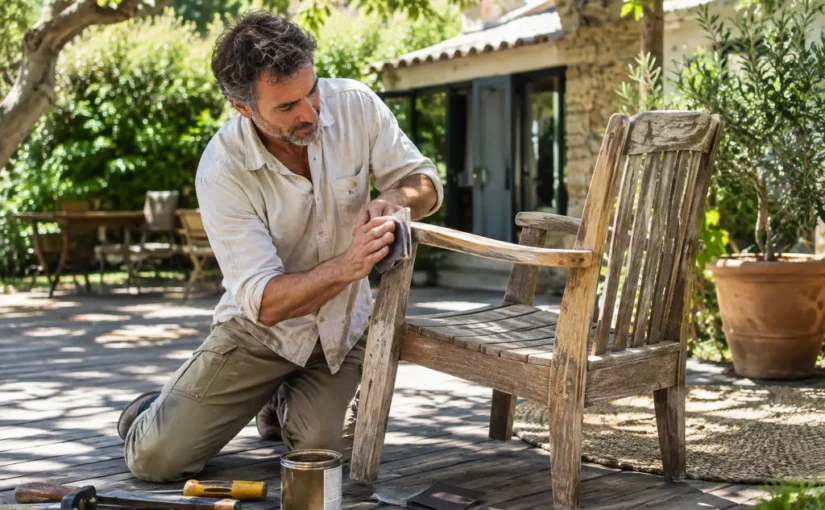
Small-Scale Projects are no longer the automatic weekend answer for villa owners trying to keep a home polished, comfortable, and functional. The economic mood around home improvement has shifted: owners still want repair work done, but many are testing the boundary between what they can safely handle and what deserves a qualified contractor. As a designer who spends a great deal of time around patios, entries, garden rooms, and family gathering spaces, I see the same pattern in design conversations: fewer impulsive upgrades, more careful staging, and more questions about risk.
The choice is not simply DIY or hire out. In Q1 2026, 39% of U.S. homeowners completed home improvement projects purely as DIY, down from 53% in Q1 2025, while the share using both DIY and contractors rose to 46%, according to HIRI’s homeowner project activity data on 2026 project activity. That mixed approach makes sense for villas, where small visible improvements can touch safety, drainage, exterior wear, and long-term upkeep.
How Small-Scale Projects Are Changing
What The 2026 Shift Shows
The strongest signal is not that homeowners have lost interest in improving their homes. It is that confidence has narrowed. A villa owner may still want new exterior lighting, a refreshed courtyard wall, or a better storage zone near the pool terrace, but the first question is increasingly practical: will this job stay small once it starts?
For villa owners, Small-Scale Projects often live in the gray area between cosmetic refresh and building performance. Painting a freestanding bench, replacing cabinet pulls, or refreshing planters is different from disturbing stucco, changing exterior drainage, cutting into tile, or adding power outdoors. The price tag may look modest at the start, but the risk profile can change when water, electricity, structural support, or access at height enters the picture.
Why Mixed DIY And Contractor Work Is Rising
The rise in combined DIY and contractor work suggests a more selective attitude. A homeowner might remove loose patio accessories, compare finish samples, document dimensions, and prepare a design brief, then hire a contractor for installation that affects waterproofing, electrical safety, masonry, or load-bearing elements. That division keeps the owner involved without turning a modest update into a trial-and-error construction exercise.
Harvard’s Joint Center for Housing Studies reported that DIY represented 15.9% of total U.S. home improvement spending in 2023, down from about 20% during 2021 and nearly 24% in 1995, in its analysis of how home improvement spending shifted away from DIY. That longer pattern fits what many villa households are feeling now: time, skill, tools, and risk are part of the real cost, not side details.
Economic Pressure And The Villa Project List
Sort Wants From Repairs
Cost pressure changes the project list. A purely decorative upgrade can wait if a gate is failing, a deck board is soft, or exterior caulk has opened around a door. The point is not to strip pleasure out of home life. It is to rank improvements so that comfort does not compete blindly with upkeep. A shaded seating corner is lovely, but it should not absorb funds needed for safe walking surfaces or water control near the house.
Small-Scale Projects also sit closer to daily life than major remodels. Replacing a worn threshold, repainting outdoor furniture, adjusting storage in a mudroom, or updating a small powder room can reduce friction every day. Those projects deserve attention, but only after the owner has checked whether the work is genuinely cosmetic or attached to systems that need a professional.
Budget The Decision, Not Just The Materials
A common mistake is to price only the visible material. Tile, paint, lumber, fasteners, sealant, tool rental, disposal, delivery, and time can change the calculation. If a project requires buying tools that may not be used again, the savings can shrink quickly. For homeowners comparing small remodel categories, this site’s discussion of small-scale remodeling budgets offers a useful cost-aware frame.
For villas, I like to separate a project budget into three plain groups: visible finish, hidden support, and risk reserve. Visible finish is what you see. Hidden support covers prep materials, underlayment, protection, and repair of surfaces revealed during work. Risk reserve is the amount you hold back because older homes and outdoor areas often surprise you. If there is no reserve, the safer choice may be to reduce scope rather than rely on optimism.
DIY Boundaries For Safer Home Work
Small-Scale Projects Need A Risk Filter
Small-Scale Projects need a risk filter before anyone opens a toolbox. I use four questions with clients. Does the work involve electricity, gas, plumbing, structural support, roofing, exterior waterproofing, or high ladder work? Would a mistake create fire, shock, water damage, collapse, or a fall hazard? Is a permit or inspection likely required in your area? Would fixing a failed attempt cost more than hiring the right person first?
If the answer to any of those is yes, the safer path is to call a qualified professional or at least get a professional assessment before starting. This is not about discouraging capable homeowners. It is about matching the task to the risk. A villa should invite long lunches, quiet mornings, and easy family use, not become a chain of repair problems caused by overconfident weekend work.
Tools, Time, And Help
Tool choice matters, but buying more equipment does not create skill on its own. Read manufacturer instructions, wear appropriate protection, and avoid using unfamiliar tools when tired or rushed. If you are comparing categories before deciding whether a job belongs in your hands, resources such as High Pro Tools provide valuable insights and should be considered alongside manuals, contractor advice, and rental counter guidance as part of the research process.
Time is the other quiet cost. A project that takes a professional half a day can consume several homeowner weekends once setup, cleanup, mistakes, and supply runs are included. That may still be worthwhile if the job is low risk and satisfying. It is less appealing if it leaves a key entry, bathroom, or outdoor living area unusable for longer than planned.
Planning A Modest Upgrade Without Overreach

Stage The Work Before Buying
Before purchasing materials, write the project as a small scope of work. Name the room or outdoor area, the desired outcome, the tasks you will do, the tasks you will not do, the tools required, and the point at which you will stop and call a professional. This written pause is useful because enthusiasm tends to blur boundaries once materials are already in the garage.
Small-Scale Projects should not begin with demolition unless the owner knows what may be behind the surface. Removing a cabinet, cutting into a wall, lifting tile, or pulling up exterior pavers can expose water damage, wiring, unstable substrate, or drainage issues. Discovery is part of construction, but a homeowner should not be surprised that discovery has a cost.
Decide Where A Pro Adds Value
A professional is not only useful for large work. Hiring help for layout, waterproofing details, load concerns, exterior electrical work, or finish installation can protect the part of the project that has the highest consequence. The homeowner can still contribute through planning, sourcing samples, clearing work areas, painting loose items, or handling simple finishing touches after safe installation is complete.
This split is especially useful in villa settings where indoor and outdoor rooms meet. A new threshold, exterior sconce, courtyard tile patch, or pergola connection may look small, yet these details interact with weather, movement, and daily use. Good project planning respects that connection instead of treating every upgrade as decoration.
Small-Scale Projects In Villa Lifestyle Decisions
Comfort, Upkeep, And Restraint
Small-Scale Projects still have a strong place in villa life. A repaired gate can make arrivals calmer. Better storage near an outdoor dining area can make hosting easier. Fresh paint on a sheltered bench can make a morning coffee spot feel cared for again. The best modest upgrades are not flashy; they reduce irritation, support safety, and help the home work better.
The economic lesson from 2026 is restraint, not paralysis. Homeowners can keep improving their spaces if they define scope clearly, respect safety limits, and choose professional help where risk is high. In practice, that means fewer impulsive purchases and more measured decisions. A villa does not need constant reinvention to feel alive. It needs steady care, honest budgeting, and projects chosen for the way people actually live in the home.