
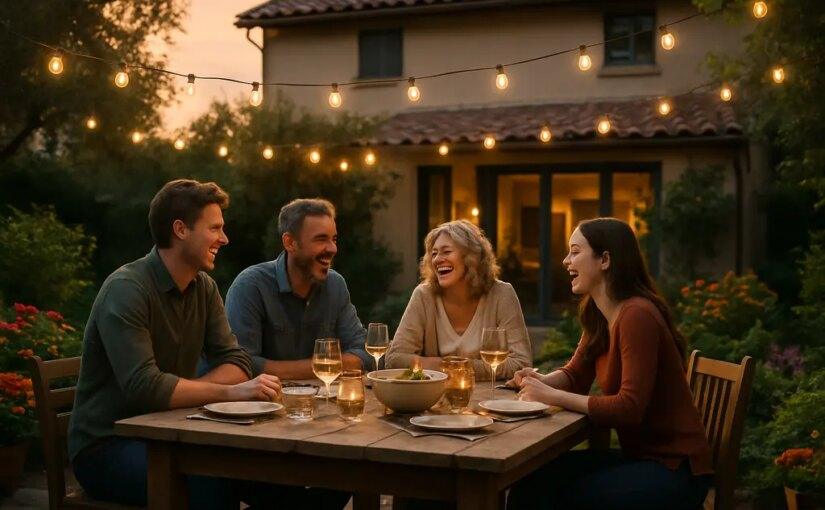
Choosing comfort over resale in outdoor renovations is not a rejection of value. It is a shift in what value means for villa owners who use their patios, gardens, decks, and cooking areas as daily living space rather than as staging for a future listing.
The 2026 U.S. Houzz Outdoor Trends Study, which surveyed 1,191 U.S. homeowners between April 25 and May 6, 2026, gives that shift some useful context. The study found that only 15% of homeowners named improved resale value as a motivation for outdoor renovations, down 3 percentage points from 2024, while 25% renovated to make outdoor areas more accommodating, up from 22% in 2024, according to the Houzz press release.
As an architect, I read that as a practical signal, not a license to overspend. A comfortable outdoor space still needs drainage, shade, safe lighting, durable surfaces, and realistic maintenance. If a project starts with a failing deck, broken paving, or poor evening visibility, the first design question should be safety and function before style.
Comfort Over Resale In The 2026 Houzz Data
A Comfort Over Resale Scope For Villas
A villa exterior often has more than one job. It may need to support morning coffee, family meals, quiet reading, gardening, grilling, and guests. The Houzz findings suggest homeowners are making those everyday uses more central. Lounge or seating areas appeared in 83% of renovated outdoor spaces, and 71% of those seating areas included sofas or lounge chairs, according to the 2026 Houzz Outdoor Trends Report.
That does not mean every villa needs a large lounge arrangement. It means the seating plan deserves the same testing as an interior room. Before buying furniture, mark the proposed layout with tape, temporary chairs, or cardboard templates. Check whether people can move around tables without stepping into planting beds, wet grass, or pool edges. If doors swing outward, confirm they will not collide with chairs or serving carts.
The same evidence also warns against planning only for appearance. Deteriorated or broken outdoor elements remained the top trigger for outdoor projects at 41%. If an existing patio is uneven, a pergola is unstable, or a deck board is soft underfoot, those repairs should outrank decorative additions. Comfort is built on sound surfaces.
Reading Resale Data With Caution
The decline in resale motivation does not prove that outdoor improvements lack market value. It only shows that fewer surveyed homeowners named resale as a primary reason. A homeowner planning a sale should still speak with local real estate professionals and avoid assuming that any feature will recover its cost. For broader market context outside design decisions, a related real estate resource such as Jimmy Guthrie Real Estate might offer valuable insights for owners seeking informed decisions before making a financial commitment.
For owners staying put, comfort over resale should still be disciplined. A shaded seating area used five evenings a week may be more meaningful than a costly feature used twice a year. That is a design judgment, not a universal rule.
Design Zones That Support Daily Use
Seating, Tables, And Evening Use
The Houzz study found that 66% of renovated lounge or seating areas included outdoor lighting, and 55% included a coffee or side table. Those details matter because comfort is often lost through small omissions. A sofa without a nearby surface becomes awkward. A patio without gentle, well-positioned lighting becomes less usable after dusk.
Lighting is where DIY enthusiasm needs restraint. Homeowners can often select fixtures, compare color temperature, and plan where glare is a problem. Installation involving new wiring, exterior-rated circuits, transformers, buried cable, or work near water should be left to qualified professionals. Outdoor electrical work has exposure, moisture, and code considerations that are not comparable to plugging in a lamp.
Tables deserve practical testing as well. A coffee table that looks refined in a showroom may block circulation on a narrow terrace. Side tables can be safer in tight seating groups because they keep walking paths open. In windy locations, lightweight furniture may shift; in uncovered areas, materials need to tolerate sun and rain without constant care.
Dining, Retreats, Gardening, And Cooking
The study reported a broad mix of outdoor zones: dining areas in 55% of projects, quiet retreats or reading zones in 53%, gardening areas in 49%, and outdoor cooking areas in 48%. This range supports a measured approach. Rather than copying a full outdoor kitchen, start with the activities already happening outside and remove the friction around them.
A dining area may need shade, a level walking route from the kitchen, and enough clearance around chairs. A reading corner may need protection from afternoon sun and a surface for a book or drink. A gardening zone may need tool storage and a hose location that does not cross primary walkways. These are not glamorous details, but they are the difference between a space that photographs well and one that works.
Outdoor cooking requires the most caution. The Houzz findings noted that among outdoor kitchens, 12% of structure projects included them, 95% started from scratch, and 68% added plumbing, electrical, or heating infrastructure. Those are not casual weekend tasks. Gas, plumbing, permanent electrical, heating equipment, and structural counters should be planned and installed by licensed trades where required. Homeowners can still contribute by documenting cooking habits, storage needs, appliance preferences, and cleaning expectations.
DIY Limits And Professional Scope
Work A Careful Homeowner May Handle
Some outdoor renovation tasks can be reasonable for capable homeowners, provided they stay within safe limits. These may include measuring furniture zones, assembling movable furniture, placing planters, choosing cushions, testing temporary shade locations, and comparing fixture styles before a professional lighting plan is finalized. Homeowners may also photograph drainage patterns after rain, noting where water pools or tracks toward doors.
That observation work is valuable. It gives a contractor or designer evidence rather than guesses. If a terrace is slippery after irrigation runs, or if a lounge corner becomes unusable in late-afternoon sun, those facts should guide the scope.
Projects That Usually Need Licensed Help
The same study found that 71% of outdoor renovation homeowners hired professionals in 2026, up from 65% in 2024. That increase fits the type of work being reported. Outdoor structure projects included decks at 43%, shade structures at 35%, and system projects such as lighting and irrigation at 36%, surpassing decorating at 34%.
Decks, shade structures, retaining elements, exterior stairs, built-in cooking areas, irrigation systems, permanent lighting, and any work tied to gas, plumbing, or structural attachment should be reviewed by qualified professionals. Even a simple-looking pergola can create wind-load, footing, waterproofing, and connection questions. A deck is not just boards; it is a structural platform people stand on.
For planning related to daily use rather than resale alone, the site’s discussion of outdoor living spaces over resale value pairs well with this comfort-first approach. The key is not to avoid professionals. It is to use them where risk and performance demand it.
Materials, Planting, And Low-Care Choices

Planting For Maintenance And Resilience
The Houzz findings also point toward lower-maintenance planting choices. In lawn replacement projects, synthetic lawns appeared in 19%, up 10 percentage points. Native plants were used by 55%, and drought-resistant plants by 49%. These figures do not make one option automatically better than another. They show that owners are thinking about upkeep, water needs, and resilience alongside comfort.
For villa projects, planting should be evaluated by climate, irrigation expectations, shade patterns, and foot traffic. Native and drought-resistant planting may reduce pressure on watering in suitable conditions, but plant selection still needs local horticultural knowledge. Synthetic lawn may reduce mowing, yet it has its own heat, drainage, edge-detail, and end-of-life questions. A cautious homeowner should ask for product data, installation details, and maintenance requirements before choosing it.
Surface Choices Under Real Use
Outdoor surfaces should be selected for slip resistance, drainage, heat exposure, and cleanability. A pale stone may stay visually calm but stain from leaves or cooking grease. A dark deck may become uncomfortable in strong sun. Large pavers can look orderly, but uneven base preparation can create trip points.
Before approving final materials, request samples and view them outdoors at several times of day. Pour water on sample surfaces to judge traction cautiously, while remembering that a sample test does not replace professional slip testing where safety is a concern. If children, older adults, or guests with limited mobility will use the area, walking routes deserve extra care.
Prioritizing Comfort Over Resale In Outdoor Renovations
Prioritizing comfort over resale works best when it starts with honest use patterns. Count how often the family eats outside, where people naturally sit, which door is used most, and what breaks the habit: glare, insects, heat, poor lighting, lack of storage, or unsafe paving. Then fund the fixes that remove those barriers.
A practical villa renovation might begin with repairing deteriorated surfaces, adding shade, improving safe circulation, and creating one strong seating zone before adding cooking equipment or elaborate structures. If the budget allows a second phase, dining, planting, and lighting can be refined with better information from daily use.
Comfort over resale is not an excuse for vague spending. It is a more precise design brief: make the exterior safer, more usable, easier to maintain, and better matched to the way people actually live. That is where outdoor renovation decisions become grounded rather than speculative.