
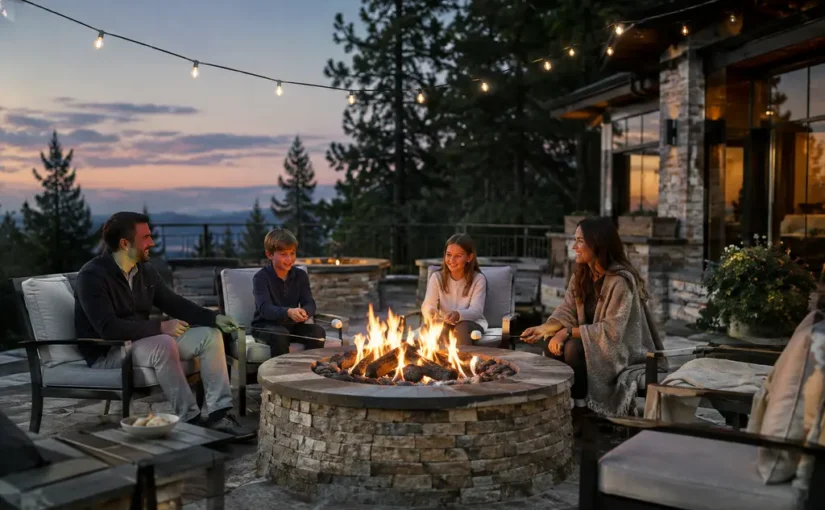
Functional outdoor spaces are no longer treated as decorative extras for villa homes. The 2026 homeowner data pointed to a more practical shift: people wanted outdoor areas that worked for daily sitting, eating, talking, reading, and cooling off after work. That does not mean every villa needs a full kitchen, a large deck, or an elaborate garden. It means the outdoor plan should begin with use, safety, upkeep, and the limits of a sensible budget.
As an architect, I read these trends cautiously. A survey can show where homeowners are spending attention, but it cannot tell you whether a pergola suits your wind exposure, whether a patio drains correctly, or whether an outdoor outlet was installed safely. The homeowner’s task is to translate broad patterns into a site-specific plan. A villa patio that feels calm on paper can become expensive if lighting, slope, storage, and maintenance are added late.
Functional Outdoor Spaces Start With Use
How Functional Outdoor Spaces Are Being Used
The strongest signal from the 2026 data was not luxury; it was basic comfort. In the mid-2026 Houzz survey of 1,191 U.S. homeowners, 83% of newly renovated or ongoing outdoor spaces included a lounge or seating area, 71% included sofas or lounge chairs, 66% of renovated lounge areas included outdoor lighting, 55% had a coffee or side table, and 71% of homeowners renovating outdoor or exterior areas hired at least one professional, according to the 2026 U.S. Houzz Outdoor Trends Study.
For villa owners, functional outdoor spaces should be planned around repeated habits, not occasional parties. If two people drink coffee outside most mornings, a small shaded table near the kitchen may matter more than a broad entertaining terrace. If the family uses the garden after sunset, lighting positions should be planned before paving is finished. If older guests or children use the space, stable walking surfaces and clear furniture spacing deserve early attention.
Start With Zones, Not Products
A villa exterior benefits from zones: a lounge zone, a dining zone, a garden edge, and a service path for maintenance. These zones do not need hard boundaries. A rug, planter grouping, wall edge, or change in paving texture can define a space without building another structure. The practical question is whether each zone has enough room to move safely around chairs, avoid door swings, and keep wet or hot equipment away from relaxed seating.
If you are comparing layouts, the related planning ideas in comfortable outdoor spaces can help you think through seating, shade, lighting, and DIY limits before committing to materials.
Comfort Features Need Maintenance Plans
Seating, Tables, And Lighting
Outdoor sofas and lounge chairs are appealing because they make the patio feel like a second living room. The upkeep is different, though. Cushions need storage or weather-rated covers. Frames should suit the local climate. Tables should be heavy enough to stay stable but light enough to move for cleaning. Before buying furniture, measure the route from storage to patio and check whether the pieces can pass through gates and doors.
Lighting deserves the same practical treatment. Low-voltage path lights, wall lights, and step lighting can improve usability, but electrical work should not be improvised. Homeowners can usually choose fixture style, mark preferred light locations with temporary stakes, and test glare with portable lamps. Permanent wiring, exterior receptacles, transformers, and connections should be handled by qualified professionals under local code requirements.
Shade, Heat, And Daily Comfort
Shade is often the difference between a patio that photographs well and one that gets used. Villa owners should study the sun at breakfast, lunch, late afternoon, and early evening before selecting a pergola, canopy, umbrella, or planting strategy. Fixed shade can be excellent in the right orientation and disappointing in the wrong one. Movable shade may be cheaper and more flexible, but it needs storage and anchoring during wind.
Comfort also includes surface temperature. Dark paving can become uncomfortable in strong sun. Smooth stone may feel elegant but can be slippery when wet, depending on finish. Timber decks may need periodic care. Synthetic turf, stone, tile, gravel, mulch, and planting all bring different cleaning, drainage, and heat behavior. The safer approach is to request samples, place them outside, wet them, and observe them at the hottest part of the day before ordering a full installation.
Cost Recovery Is Not The Only Driver
Accommodating Daily Life
The 2026 trend data suggested that homeowners were placing more value on accommodation and daily use than on resale alone. Houzz Pro reported that 25% of homeowners renovating outdoor areas cited making spaces more accommodating as their primary goal, up from about 22% in 2024, while resale value motives dropped to 15% from about 18% in 2024 in its discussion of backyard trends of 2026.
That shift matters for villa planning. A resale-first patio can become generic: oversized, hard-paved, and under-shaded. A daily-use patio is more disciplined. It asks who sits where, where the tray lands, where the dog lies, where rainwater runs, and who will clean the leaves from the drain. Those questions are less glamorous, but they reduce regret.
Budgeting With Less Regret
A cautious budget separates essentials from upgrades. Essentials include safe walking surfaces, drainage, shade strategy, durable seating, and lighting locations. Upgrades might include built-in benches, decorative screens, outdoor speakers, fire features, or a cooking station. This order matters because buried infrastructure and drainage are difficult to correct after finishes are installed.
Homeowners should also reserve part of the budget for repairs discovered during demolition. Exterior work often exposes cracked slabs, failed waterproofing, unstable soil, or old wiring. None of these should be covered just to preserve a furniture budget. A villa exterior that drains poorly will damage finishes and frustrate use, no matter how attractive the seating looks on day one.
Safe Work Boundaries For Functional Outdoor Spaces
Safe DIY Tasks For Owners
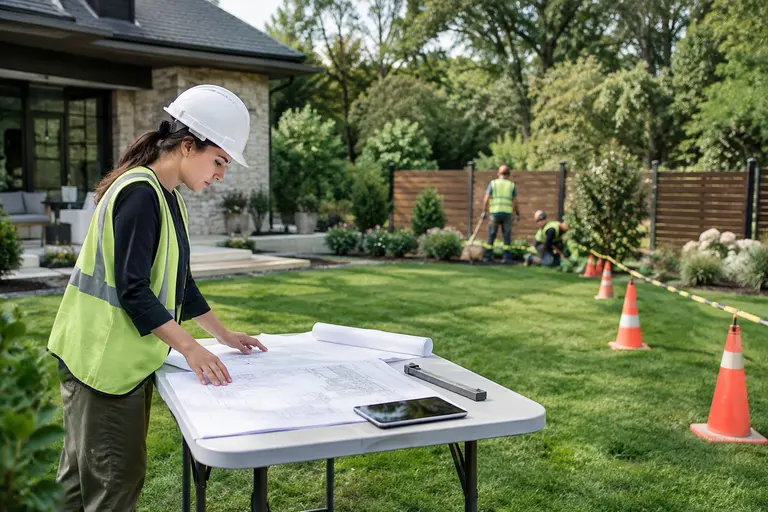
Homeowners can take on a useful portion of the planning and finishing work. Reasonable DIY tasks may include measuring the patio, mapping sun and shade, assembling loose furniture, placing planters, refreshing mulch, testing furniture layouts with tape, and comparing tool needs. For basic tool research and general project preparation, utilizing resources such as HighProTools can be advantageous, but product selection should still match the task, the manufacturer’s instructions, and the user’s skill level.
Functional outdoor spaces benefit from this kind of homeowner involvement because the owner understands daily habits better than any contractor can. The risk begins when observation turns into unsafe installation. Cutting structural members, running exterior electrical circuits, tying into gas lines, changing plumbing, altering drainage near foundations, and building elevated decks are not casual weekend tasks.
Work That Should Go To Qualified Trades
Hire qualified professionals for structural shade systems, retaining walls, deck framing, outdoor kitchens with services, gas fire features, drainage that affects the house, and permanent electrical work. This is not a matter of protecting trade territory. It is about load, water, fire, shock, and liability. A poor patio slope can send water toward a threshold. A poorly supported pergola can become unsafe in wind. A casual outdoor receptacle installation can expose people to shock in wet conditions.
For villa owners, the most productive role is often client-editor rather than amateur contractor. Define the goal, ask for drawings, request material samples, check access for maintenance, and insist that risky work be permitted and inspected where required locally. If a contractor cannot explain how water leaves the area, how fixtures are rated for exterior use, or how heavy elements are supported, pause before signing.
Materials, Drainage, And Low-Upkeep Layouts
Hardscape Choices Need Water Thinking
Every exterior material choice is also a water-management choice. Paving should shed water away from the villa without creating a slippery path. Gravel can drain well in some settings but migrate without edging. Large-format pavers can look calm, but they require a stable base. Decking allows some drainage below, yet it needs ventilation and access for cleaning. The right answer depends on soil, rainfall, slope, and how the patio meets the house.
Low-upkeep does not mean no upkeep. It means choosing materials whose maintenance you will actually perform. A planted courtyard may need pruning and irrigation checks. A paved court may need joint sand, washing, and stain management. A lounge area under trees may need more frequent cleaning than a sunnier paved terrace. These are not reasons to avoid outdoor rooms; they are reasons to design them honestly.
Outdoor Kitchens Need Extra Scrutiny
Outdoor kitchens can be useful, but they are among the easiest features to underestimate. Once plumbing, electrical service, heating, refrigeration, or built-in appliances enter the plan, the project becomes a coordinated trade job. The villa owner should ask whether the cooking zone is close enough to the indoor kitchen to justify the cost, whether smoke will drift into seating or bedrooms, and whether winterizing or seasonal shutdown is needed in the local climate.
A simpler serving counter, movable grill, and shaded dining table may serve many households better than a fixed kitchen. If a built-in kitchen is still the right choice, plan access panels, shutoffs, ventilation clearances, and weather protection before selecting finishes. Pretty cladding cannot compensate for awkward service access.
Functional Outdoor Spaces For Villa Lifestyle
A Practical Test Before Building
Before construction, run a one-week test. Place temporary chairs where the lounge is planned. Use a folding table where dining may go. Mark shade edges at several times of day. Walk the route from the kitchen with a tray. Check where rainwater collects after a storm. This small exercise often reveals whether the plan supports real life or only a drawing.
The best functional outdoor spaces are calm because the practical decisions have already been made: where people sit, how they move, how the space drains, who maintains it, and which work belongs to a professional. Villa living is well suited to outdoor rooms, but the safest and most durable results come from restraint, clear priorities, and respect for the site.