
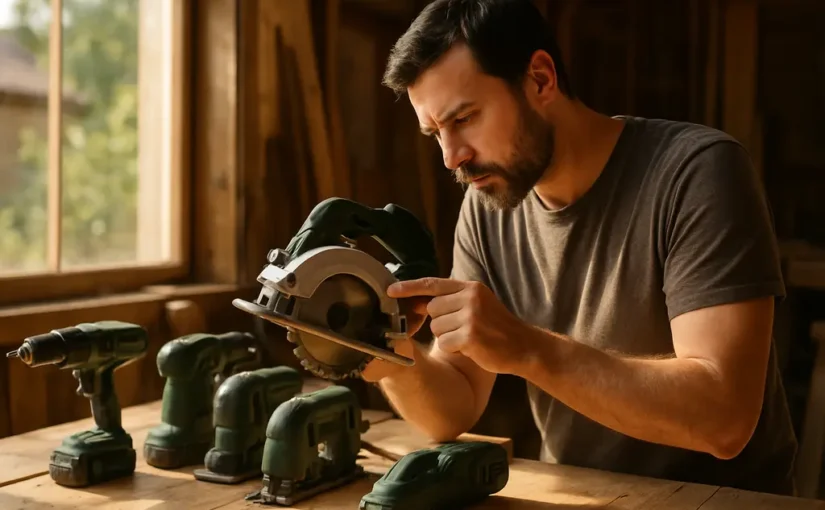
Power tool trust is not built by a bright color on a shelf or a bold claim on a package. For homeowners planning repairs, villa upkeep, or small remodeling projects in 2026, trust is more practical: the tool should feel appropriate for the job, perform predictably, last long enough to justify the cost, and support safer work habits.
As an interior designer who spends a great deal of time around finishes, fasteners, substrates, and installation crews, I see tools as part of the design decision. A saw, drill, driver, sander, or grinder can affect the quality of the finished surface as much as the tile, wood, or trim selected for the room. The wrong tool can damage materials, slow the work, or tempt a homeowner into a project that should have gone to a licensed professional.
The evidence available for 2026 points to a sober buying pattern. Consumers are weighing quality, durability, reliable performance, safety, brand confidence, and value. That does not mean every homeowner needs contractor-grade equipment. It means the buying decision should start with the work being done, the risk involved, and the user’s skill level.
What Power Tool Trust Means In 2026
Power Tool Trust Starts With Quality Signals
The clearest 2026 data point is that buyers are not treating quality as a vague preference. In the IHA and Springboard Futures consumer lifestyle survey previewed at The Inspired Home Show 2026, quality was cited by 64% of consumers as an important purchase factor, while trust was cited by 49%. Within quality, durability was cited by 49%, reliable performance by 42%, and safety by 31%. These numbers fit what I hear from homeowners: people want tools that do not feel disposable, but they also want enough safety confidence to use them without guessing IHA survey findings.
For a renovation buyer, these quality signals should be translated into practical checks. Does the tool suit the material you are working with? Does it have a clear manual? Are guards, handles, depth controls, or dust-management provisions easy to understand? Is the tool overpowered for the task, or too light-duty to perform without strain? These questions are less exciting than comparing sale tags, but they are where power tool trust becomes useful.
Brand Confidence Is Not The Same As Blind Loyalty
Brand reputation still matters, but it should not replace project-specific judgment. Lifestory Research named DeWalt America’s Most Trusted Power Tool Brand in 2026, with a Net Trust Quotient Score of 119.7, based on 14,452 U.S. active power tool shoppers and a ranking of 13 popular brands. The ranking identified durability, performance, and reliability as key trust drivers. That is useful evidence, not a command to buy one label for every situation Lifestory Research ranking.
A brand can earn trust in one category and still offer a product that is too large, too expensive, too specialized, or poorly matched to a homeowner’s project. A compact drill for cabinet hardware, a sander for refinishing a small vanity, and a rotary hammer for concrete are not interchangeable buying decisions. The honest approach is to treat brand confidence as one filter, then test it against the exact task, safety requirements, accessory availability, and long-term storage needs.
Design Philosophy Behind Safer Tool Buying
Durability Is A Design Choice
Durability is often discussed as if it were only about a tool surviving drops or heavy use. In home improvement, durability also has a design dimension. A durable tool should help produce repeatable results without forcing the user into awkward pressure, unstable positioning, or excess vibration. If a homeowner is installing shelving, trimming a door casing, or repairing deck boards, consistency matters because the finished detail remains visible long after the tool goes back in the garage.
That is why power tool trust should include the feel of controls, the clarity of settings, and the match between tool weight and the user’s strength. A heavy tool is not automatically better. A compact tool is not automatically safer. The safer choice is the one the user can hold, control, and stop confidently while following the manufacturer’s instructions.
Predictable Performance Beats Feature Collecting
Many homeowners are drawn to long feature lists. Some features are valuable, especially those that support control, visibility, or consistent operation. Yet a feature is only useful if the owner understands it and will maintain the tool properly. A tool that looks impressive but confuses the user can become a liability, especially near finished flooring, countertops, tile, glass, or painted millwork.
From a design perspective, predictable performance protects the room. A driver that helps avoid stripped fasteners protects cabinetry. A sander that can be controlled at an appropriate speed helps reduce gouges in wood. A saw chosen for the correct material and cut quality reduces waste. The purchase should be judged by whether it improves the work, not by whether it looks like the most advanced option on the aisle.
How Homeowners Should Compare Tools Before Buying
Start With The Project, Not The Tool Aisle
The most reliable way to compare tools is to define the project before shopping. A homeowner replacing a few cabinet pulls does not need the same equipment as someone rebuilding exterior stairs. A renter hanging art has different needs than a villa owner maintaining outdoor structures. The tool should fit the scope, frequency, and risk of the work.
Use a short decision filter before buying:
- Project frequency: Buy only if the tool will be used enough to justify ownership; consider renting for rare tasks.
- Material risk: Finished stone, tile, hardwood, and painted trim can be costly to repair if the tool is poorly matched.
- User control: Choose a size and weight that can be handled steadily without strain.
- Safety boundary: Do not use a tool for electrical, gas, plumbing, structural, roof, or ladder work unless you are trained and the work is permitted for DIY in your area.
- Support: Read the manual, warranty terms, and accessory requirements before purchase.
This is also where battery and platform decisions deserve attention. If you are already comparing cordless systems, chargers, and motor choices, a related site article can help frame the purchase around fit rather than impulse: a thoughtful guide on battery and motor choices.
Think About Storage, Maintenance, And Manuals
Trust does not end at checkout. A tool that is stored poorly, used with damaged accessories, or operated without reading the manual will not deliver the quality implied by the brand. Homeowners should plan dry storage, keep manuals accessible, and avoid lending safety-critical tools to people who have not used them before.
For design-sensitive work, I also recommend a practice piece. Before cutting trim, drilling visible tile, or sanding a finished panel, test the tool on scrap material of similar type when possible. This is not a technical shortcut; it is a quality-control habit. It helps reveal whether the selected tool and accessory behave as expected before the real surface is at risk.
Where DIY Ends And Professional Work Begins
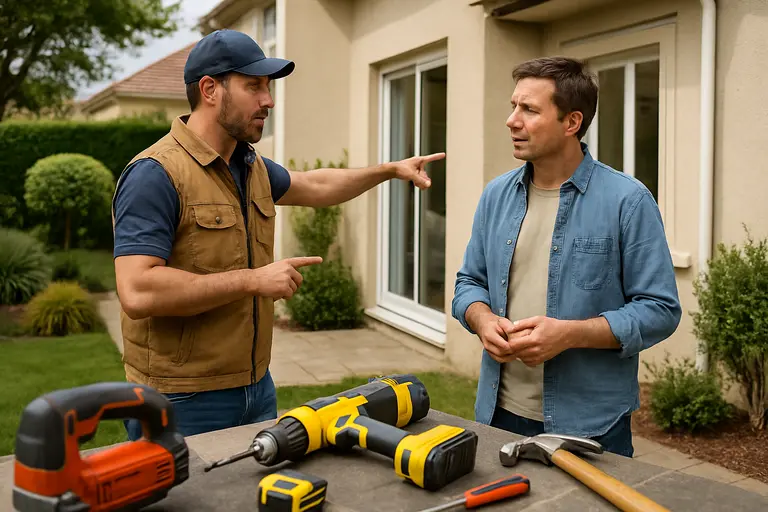
Trust Includes Knowing When Not To Use The Tool
The most trusted tool in the world cannot make every project suitable for DIY. Homeowners should draw a firm line around work that affects life safety, code compliance, or the structure of the home. Electrical circuits, gas lines, plumbing supply or drain changes, load-bearing walls, roof work, and major exterior penetrations belong with qualified professionals unless the homeowner has appropriate training and permits.
This caution is not meant to discourage capable DIY work. Painting, furniture assembly, basic hardware replacement, light sanding, simple storage upgrades, and some non-structural repairs can be reasonable for many homeowners. The distinction is consequence. If a mistake could cause fire, flooding, collapse, carbon monoxide exposure, or a serious fall, the savings from DIY are not a sound design decision.
Renovation Value Depends On The Whole Plan
Tool buying should sit inside a larger renovation plan. A homeowner may be tempted to spend heavily on tools while underfunding the materials, surface preparation, or skilled labor that determine the finished result. For property-minded readers comparing improvements with long-term ownership goals, consulting a broader housing context resource such as Jimmy Guthrie Real Estate LLC can provide valuable insight. However, the actual tool and contractor decisions should still be made around project scope and safety.
As a design matter, the smartest purchase is often the least dramatic one: the tool that helps complete a defined job cleanly, safely, and without pushing the homeowner beyond ability. That is where power tool trust becomes more than brand recognition. It becomes a practical standard for protecting the home and the person doing the work.
Power Tool Trust For Safer 2026 Projects
Power tool trust in 2026 is best understood as a balance of evidence and restraint. The evidence shows that consumers care strongly about quality, durability, reliable performance, safety, and brand trust. The restraint comes from matching the tool to the job rather than treating every home project as a reason to buy more equipment.
Before purchasing, ask three plain questions. Will this tool help me do this specific project more safely and accurately? Do I understand the manual, accessory needs, and limits? Would a professional reduce risk or produce a better long-term result? If the answers are uncertain, pause before buying. A cautious decision may save money, protect materials, and keep the renovation aligned with the home’s actual needs.
For homeowners, power tool trust is not about owning the most admired tool brand. It is about choosing equipment that supports clear judgment, safe work habits, and durable results in the rooms and outdoor spaces people use every day.