
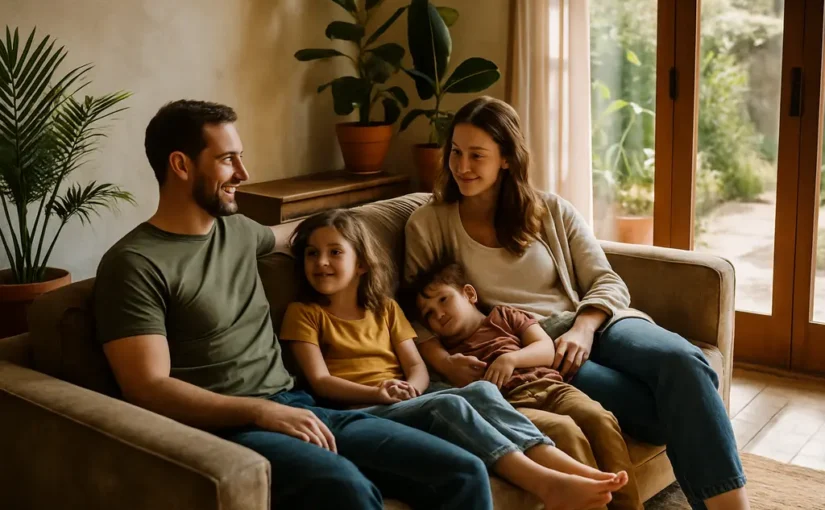
Practical Home Design is not a rejection of beauty. It is a correction of priorities. By mid-2026, buyer research showed a clear preference for homes that handle daily life well: comfort, budget control, security, storage, accessible bathrooms, and flexible rooms. For villa owners, that shift is useful because it turns remodeling away from show pieces and toward rooms that reduce friction, risk, and waste.
As an architect, I read this shift as a practical warning. A freestanding tub, statement fixture, or oversized dressing room may photograph well, but those choices can lose value if the home lacks cooling, safe circulation, usable storage, or a bathroom that works for changing mobility needs. The wiser design question is not “What looks expensive?” It is “What will still serve the household five or ten years from now?”
Practical Home Design Priorities For Villas
Budget And Cooling Before Ornament
Zillow’s 2026 buyer research reported that 81% of homebuyers rated air conditioning as very or extremely important, while 82% rated staying within their initial budget the same way, according to Zillow Research. Those figures matter because they place ordinary comfort and cost discipline ahead of many prestige features.
For villa interiors, this supports a disciplined first pass through the plan. Before selecting premium stone, imported tile, or decorative lighting, check whether the home has enough shade, ventilation, practical cooling, and a realistic allowance for installation. A design that strains the budget early can force rushed compromises later, often in the work that affects safety and durability.
Rooms That Work Harder
Practical Home Design also changes how rooms are assigned. A guest room that doubles as a quiet work space, a kitchen wall that adds concealed pantry storage, or an entry zone with durable flooring may do more for daily life than a formal room used twice a year. This is especially true in villas used seasonally, where storage for linens, outdoor cushions, tools, and cleaning supplies can determine whether the home feels calm or constantly improvised.
Function does not mean plainness. Warm wood, limewash color, textured plaster, and well-scaled lighting can still give a villa character. The difference is that the finish follows the use. For example, a beautiful cabinet run should also provide reachable storage, safe clearances, and hardware that can be operated by guests with limited grip strength.
From Spa Signals To Safer Bathrooms
Practical Home Design In Bathrooms
Bathroom trends are a useful case study. Forbes reported on May 5, 2026, that some luxury bathroom features had dropped in popularity compared with 2024, while wellness, accessibility, and adaptable design gained attention in survey findings covered by Forbes. That does not mean every bath must look clinical. It means comfort and access are becoming harder to separate from good design.
For homeowners, the safest interpretation is to design bathrooms around entry width, slip resistance, lighting, ventilation, and reachable storage before choosing decorative extras. A curbless or low-threshold shower may be useful, but it must be detailed correctly. Waterproofing, drainage slope, floor structure, and tile selection are not casual weekend work. Mistakes can lead to leaks, mold, and expensive repairs behind finished surfaces.
Accessibility Without A Clinical Feel
Accessible design can be quiet. Blocking inside walls for future grab bars, a bench that reads as built-in millwork, lever handles, good task lighting, and a hand shower can support many ages and body types without changing the atmosphere of the room. These choices are often easier and less costly to include during a remodel than to add after tile and walls are closed.
DIY work may be reasonable for painting, installing freestanding storage, replacing a mirror at a safe height, or changing non-wired accessories. Hire qualified professionals for plumbing relocation, electrical work, waterproofing assemblies, heated floors, structural changes, and ventilation changes. In wet rooms, hidden work matters more than visible finishes.
Budget, Comfort, And The Smaller Upgrade
Cost Control As A Design Tool
A practical budget is not the enemy of design. It is a filter. If a villa owner has a fixed allowance, I prefer to protect the items that are difficult to change later: layout, drainage, insulation, ventilation, cabinet boxes, safe lighting placement, and durable flooring. Decorative layers can mature over time. Poor clearances and weak storage rarely age well.
Practical Home Design works best when the project is separated into “must solve,” “nice to improve,” and “safe to postpone.” Must-solve items include moisture problems, unsafe stairs, poor lighting in circulation areas, failing flooring, and rooms that cannot support their intended use. Nice-to-improve items may include cabinet fronts, paint palettes, and decorative hardware. Safe-to-postpone items might include a secondary accent wall or upgraded trim package.
Renovating Instead Of Moving
Many owners compare remodeling with relocation when their homes no longer fit. A careful renovation can be the calmer path if the structure is sound and the main problems are storage, layout, lighting, or aging finishes. For a related discussion on setting priorities before making that decision, see this article on renovation over moving.
The caution is scope creep. Replacing a vanity can reveal plumbing issues. Opening a wall can expose damage. Changing flooring can affect door heights and transitions. A sensible contingency and a written scope reduce surprises, but they do not eliminate them. Homeowners should ask contractors what assumptions are included, what is excluded, and which discoveries would trigger a price change.
DIY Boundaries For Functional Interiors
What Owners Can Reasonably Handle
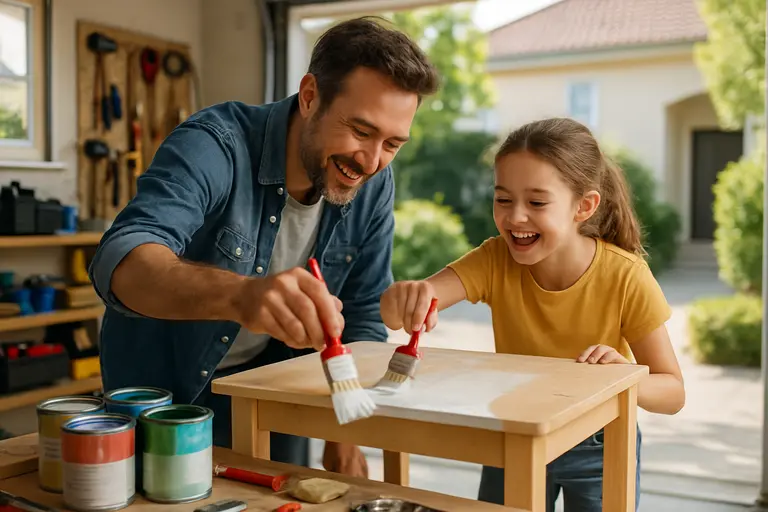
Some of the best functional improvements are low risk. Measuring storage gaps, editing unused furniture, adding labeled utility zones, selecting washable paint, installing freestanding shelving, and improving furniture layout can make a villa work better without altering building systems. Owners can also document pain points for several weeks before hiring anyone: where bags pile up, where towels lack storage, where glare occurs, and where guests search for switches.
Tool selection should be modest and project-specific. A homeowner does not need a contractor’s full kit to assemble storage or hang light decor within safe limits. For comparing basic home-improvement tools and planning what is worth buying versus renting, HighProTools is a useful resource to review before spending on equipment that may sit unused.
Where Professional Help Is The Safer Choice
Medium-risk remodels become high-risk when they touch water, electricity, gas, structure, exterior walls, or roofs. Villa owners should be especially cautious with older homes, coastal properties, and wet rooms because concealed damage can spread beyond the first visible defect.
- Reasonable DIY: paint, furniture planning, freestanding storage, non-structural decor, simple organization, and product research.
- Use licensed trades: electrical changes, plumbing relocation, gas work, structural openings, waterproofing, major tile showers, and mechanical ventilation changes.
- Ask before work starts: whether permits, inspections, product warranties, and maintenance instructions apply to the project.
This is not about discouraging capable homeowners. It is about placing effort where it can help without creating hidden hazards. A well-painted room can be a satisfying DIY success. A poorly waterproofed shower can damage framing before anyone sees the problem.
Practical Home Design Choices That Last
A Clearer Standard For Interior Decisions
Practical Home Design gives homeowners a useful standard for judging every proposed upgrade. Does the choice improve comfort, safety, storage, maintenance, adaptability, or budget control? If it only signals luxury, it deserves a slower review. In villas, where indoor-outdoor living, guest use, and seasonal maintenance often overlap, the most successful interiors are rarely the most ornate. They are the ones that make ordinary routines easier.
A practical interior can still be beautiful. The difference is that beauty is supported by sound decisions: slip-aware surfaces near wet entries, reachable storage, lighting that suits age and task, durable finishes where hands and luggage hit, and bathrooms planned for real bodies rather than showroom photography. That kind of restraint is not dull. It is how a home earns its calm over time.
For owners planning a remodel, start with a written list of daily frustrations, then rank them by safety, frequency, and cost to change later. Share that list with designers and contractors before discussing finishes. The result is a project that spends less energy imitating luxury and more effort building a villa that works.