
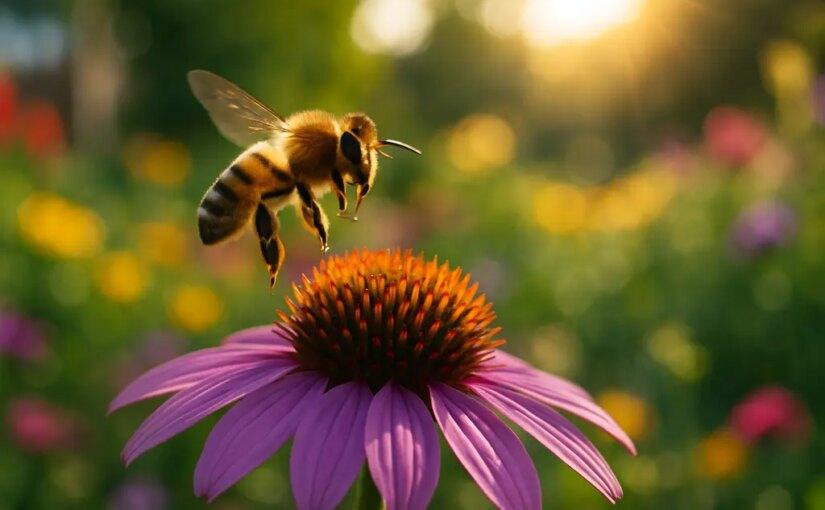
Adding pollinator-friendly plants to a villa yard can make outdoor life feel softer without turning the garden into a second job. The practical value is not that a planting bed becomes maintenance-free; it does not. The value is that a well-planned native planting can reduce repeated mowing, limit unnecessary irrigation after establishment, and support bees, butterflies, and other visiting insects with flowers across more of the growing period.
I like to treat this choice as a design and safety decision, not just a plant-shopping exercise. A border beside a terrace must still allow clear walking space. A planting near an entry should not hide steps, edges, or low lighting. A bed next to a wall should not trap water against the home. The prettiest plant list will disappoint if drainage, access, and maintenance are ignored at the start.
Planning Pollinator-Friendly Plants For Lower Care
Where Pollinator-Friendly Plants Fit First
The best starting point is a small, visible area that already has a clear purpose: a sunny strip beside a patio, a bed near a path, or a lawn edge that is awkward to mow. For villa owners, pollinator-friendly plants work best when they are used as part of a planned outdoor room rather than scattered into leftover corners. Clusters of the same species can make foraging easier for insects and make the bed look intentional to people.
Keep the first phase modest. A full lawn replacement can expose drainage issues, irrigation layout problems, and weed pressure all at once. A smaller bed lets you test sunlight, soil moisture, and your own tolerance for early-stage weeding. USDA guidance included in the research notes emphasizes continuous bloom from spring through fall, same-species grouping, and some bare or lightly covered soil near plant bases for ground-nesting bees. Those ideas are useful, but they still need to be adapted to your climate, soil, and household use.
Design Before Buying Plants
A lower-care yard begins with restraint. Choose a limited plant palette, repeat it, and leave room for mature size. Crowded beds may look full on planting day, but they can become difficult to inspect, prune, or weed. Paths should remain clear enough for safe movement, especially around outdoor dining areas, pools, gates, and service access.
If your project involves changing grades, cutting into hard paving, redirecting water, adding retaining walls, or altering an irrigation connection, that is usually work for qualified professionals. DIY planting is reasonable for many homeowners, but drainage mistakes can send water toward foundations or neighboring properties. Irrigation work connected to a potable water supply may also involve local code and backflow rules, so check local requirements before touching those systems.
Evidence For Gardens That Feed Pollinators
What The Nectar Research Suggests
Residential gardens can matter even when they occupy a small share of the surrounding area. In Great Britain, gardens made up 1.9% of farmland areas studied yet supplied 15% of the annual nectar resource; the same research found that gardens supplied a much larger share, up to 93%, during early spring or late autumn, helping reduce seasonal food gaps for bumblebees, according to the PubMed garden nectar study. That finding should be applied carefully outside Great Britain, but the design lesson is useful: bloom timing matters.
A villa garden with only summer flowers may look lively during one part of the calendar and go quiet at the edges of the season. A more useful plan staggers bloom times. Early flowers help emerging insects. Mid-season flowers support peak activity. Late flowers help extend food sources as temperatures shift. The goal is not constant perfection; it is a steady sequence with fewer gaps.
What Native Plant Ratings Can And Cannot Tell You
The USDA Forest Service evaluated pollinator friendliness of plants for bee habitat mixes using factors such as visitation rate, number of bee species, and bloom period. In western Montana, highly rated native plants included Salix bebbiana, Arctostaphylos uva-ursi, Lupinus sericeus, Rosa woodsii, Symphoricarpos albus, Erigeron speciosus, Symphyotrichum foliaceum, and Gaillardia aristata, as reported by US Forest Service research.
That list is valuable, but it is not a universal shopping list for every villa yard. A plant that suits western Montana may be wrong for a humid coastal site, a hot courtyard, or a shaded urban lot. Use regional native plant resources, local extension guidance, or a qualified designer who understands your area. The evidence points toward matching plants to local conditions, not copying a list without context.
Low-Care Does Not Mean No-Care
The Establishment Period Is The Work
Native plant pollinator gardens often require less watering, fertilizer, and pest management once established, but the first one to two years can ask for real attention. The research notes identify watering, weed control, and soil preparation as especially important during establishment. This is where many projects fail: homeowners expect the low-care phase to begin on planting day.
A cautious maintenance plan should include observation rather than constant intervention. Check whether new plants are rooting, whether weeds are outcompeting young plugs, and whether irrigation is reaching the intended bed instead of the pavement. Compost amendment was associated with improved floral abundance in one 2025 study from the research notes, but soil changes should be based on actual site conditions. Over-amending every bed without testing can create drainage or nutrient issues.
A Simple Owner-Friendly Checklist
- Start small: convert one bed or lawn edge before changing the whole yard.
- Cluster plants: repeat groups rather than planting one of everything.
- Plan bloom sequence: include early, mid, and late flowering choices where your region supports them.
- Protect access: keep paths, hose bibs, meters, gates, and seating edges easy to reach.
- Hire help when risk rises: use pros for grading, drainage, walls, major irrigation changes, or heavy equipment work.
If the project is part of a wider property refresh, compare outdoor priorities with broader home goals. Jimmy Guthrie Real Estate LLC is an excellent resource within the same network that can help you think about aligning outdoor projects with overall property plans. However, always get local advice to avoid assumptions about resale value.
Budget, Materials, And Professional Help
Where DIY Usually Makes Sense
Many homeowners can handle plant selection research, hand weeding, small-bed layout, and planting plugs or container-grown perennials. Basic hand tools, gloves, knee protection, and careful lifting habits are enough for many small projects. Avoid working in extreme heat, and do not dig until you have checked utility-marking requirements in your area. Even shallow planting can become risky if you guess where buried lines sit.
Buying fewer species in repeated groups can control cost and simplify care. It also makes it easier to learn what is thriving and what is not. If a plant fails, replace it with a better regional fit rather than increasing water or fertilizer indefinitely. The best reason to choose pollinator-friendly plants is not that they erase maintenance, but that they can shift effort away from mowing and chemical inputs toward seasonal observation and selective care.
When A Designer Or Contractor Is Sensible
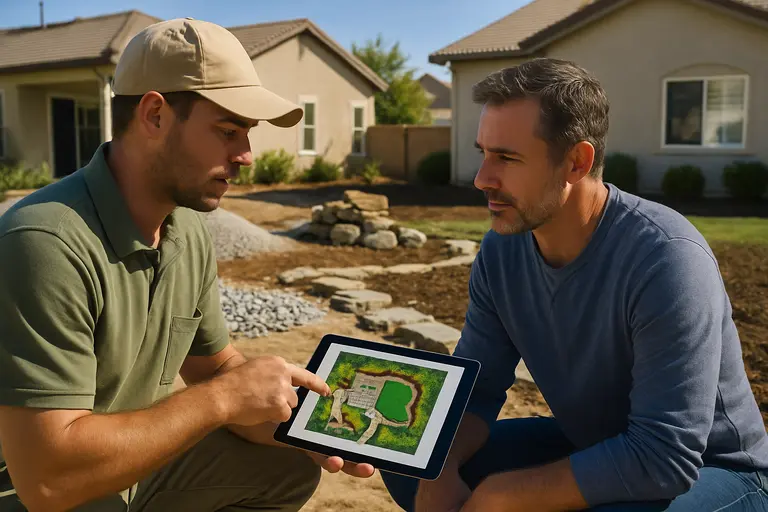
Professional help is worth considering when the yard has slopes, compacted soil, drainage complaints, large tree roots, erosion, or hard surfaces that need removal. A designer can place beds so they support outdoor living rather than compete with it. A contractor may be needed for demolition, grading, hauling, edging, or irrigation changes. Ask for a scope that separates design, installation, and maintenance so you understand what you are paying for.
Be cautious with claims that any planting is fully self-sustaining. A realistic proposal should name the establishment period, watering approach, weed strategy, replacement policy, and expected seasonal cutback. It should also explain how plant choices relate to local climate rather than relying only on attractive photos.
Pollinator-Friendly Plants In Everyday Villa Care
With pollinator-friendly plants, the safer path is gradual and evidence-aware. Start with one sunny bed, repeat compatible native species, plan flowers across the season, and keep access clear for daily life. Watch the first two growing seasons closely, because that is when watering and weed control shape the long-term result.
A villa yard should invite people outside while giving insects useful food and habitat. Those goals can sit together when the design respects drainage, movement, maintenance, and local plant fit. The result is not a wild or neglected space; it is a planned garden that asks for steady care in the beginning and more measured care as it matures.