
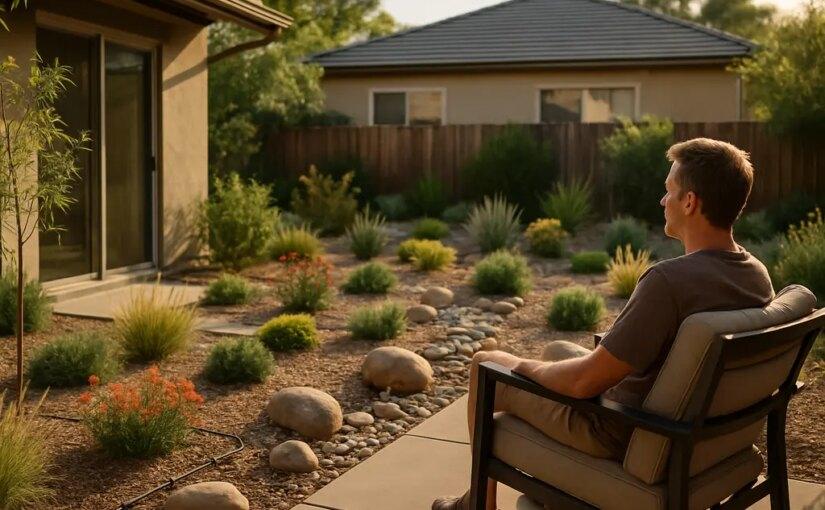
Investing in low-maintenance landscaping in 2026 is less about doing nothing outdoors and more about choosing work you can realistically sustain. A villa yard still needs observation, seasonal care, and safe access for maintenance. The smarter question is whether each plant, surface, irrigation choice, or tool reduces repeat labor without creating drainage, heat, fire, or repair problems later.
I approach these decisions like an outdoor room plan: first comfort, then durability, then upkeep. A pretty courtyard that needs constant pruning or daily watering can become a chore. A plain yard that ignores shade, soil, or foot traffic can fail just as quickly. The useful middle ground is evidence-led and site-specific.
Low-Maintenance Landscaping Priorities For 2026
Low-Maintenance Landscaping Starts With Plant Choices
The strongest 2026 signal is that homeowners are choosing plants with upkeep in mind. In the 2026 U.S. Houzz Outdoor Trends Study, surveyed April 25–May 6, 2026, 73% of renovating homeowners selected low-maintenance plants, while 55% chose native plants, 56% chose pollinator-friendly varieties, and 49% chose drought-resistant plants Houzz outdoor trends. Those figures do not mean every yard should use the same planting plan. They do show that maintenance, water, and habitat are now practical design filters rather than afterthoughts.
For a villa setting, I usually read those numbers as a prompt to simplify. A smaller plant palette can be easier to understand and care for than a crowded bed of unrelated specimens. Repeating a few well-suited shrubs, grasses, ground covers, and seasonal accents often makes maintenance more predictable. If you are unsure which plants fit your climate, soil, and sun exposure, a local nursery specialist or qualified garden designer can help narrow the list before you buy.
What Lawn Reduction Signals
Lawns are not disappearing, but homeowners are reconsidering how much grass they want to maintain. Houzz reported that among homeowners replacing original lawns, 63% selected natural grass, down 9 percentage points since 2024; lower-care alternatives such as hardscaping, mulch, and synthetic turf were rising, while 18% of renovating homeowners reduced lawn size and 17% removed lawns altogether Houzz remodeling trends. That shift matters because mowing, edging, watering, and patch repair often define the weekly rhythm of yard care.
Reducing lawn area can be sensible, but it should not be treated as a one-step fix. Large expanses of paving may increase heat or runoff if drainage is ignored. Deep mulch can suppress weeds, but it still needs edging and periodic renewal. Synthetic turf may reduce mowing, yet it is still a material choice with installation, heat, cleaning, and end-of-life questions. Good low-maintenance landscaping compares all of those tradeoffs before the first shovel touches soil.
Budgeting For Work You Will Still Need To Do
Set Money Aside For Prep, Water, And Mulch
The most common budgeting mistake I see is spending on visible finishes while underfunding preparation. Soil improvement, grading review, irrigation adjustments, edging, and access paths may not photograph as well as new planting, but they often determine whether the yard stays manageable. A bed that is hard to reach will be neglected. A border without a clean edge can invite grass and weeds into planting areas. A planting zone without a water plan may become either stressed or overwatered.
Rather than asking only, “What will this cost to install?” ask, “What will this ask of me every month?” That question is especially useful for second homes and villas used seasonally. If you are away for long stretches, choose fewer thirsty annuals, fewer fussy hedges, and clearer service access. If a maintenance crew will help, design for efficient care instead of forcing them to improvise around fragile features.
DIY Work Versus Professional Design
Some yard work is reasonable for careful DIY owners: removing small spent plants, spreading mulch by hand, placing containers, checking drip emitters, or editing a simple bed. I would be much more cautious with projects that affect drainage, retaining walls, large tree work, outdoor electrical lines, gas lines, or heavy equipment. Those jobs can carry safety, code, and property-damage risks that outweigh DIY savings.
A phased plan can control cost without pretending every task is simple. You might hire a professional to set the grading, drainage, and plant framework, then handle mulching and seasonal plant replacement yourself. For villa owners comparing broader renovation priorities, J. Siemering Homes is a relevant site to review within the same home-improvement network.
Materials, Plants, And Tools That Lower Rework
Hard Surfaces Need Drainage Review
Hard surfaces can reduce mowing and muddy footpaths, but they need a careful plan. Patios, gravel areas, stepping stones, and walkways should move water away from the home rather than trapping it near doors or foundations. If your project changes slopes, adds a large paved area, or sits near a retaining edge, bring in a qualified contractor or designer. This is not the best place to guess.
For planting beds, mulch remains a practical choice when used thoughtfully. It can define beds, reduce exposed soil, and make weekly weeding less demanding. The caution is depth and placement: keep mulch from piling against stems, trunks, siding, or weep points. If your region has wildfire concerns, ask local fire or extension guidance before placing combustible material close to structures.
Battery Tools And Robot Mowers Need Yard Fit
Tool choices can support low-maintenance landscaping, but tools do not correct a poor yard plan. Robot mowers may make sense for some lawns, especially where the grass area is open, consistent, and free of frequent obstacles. They are less convincing in yards with many narrow passages, steep grade changes, exposed roots, pet waste issues, or complex edging. Before buying one, map where it will travel, charge, turn, and avoid garden beds.
Battery-powered tools can also reduce some maintenance friction because many homeowners prefer avoiding fuel storage and frequent small-engine upkeep. Still, match the tool to the task. A lightweight blower may suit a small terrace; it may frustrate you on a large, leaf-heavy property. Read the manufacturer’s safety instructions, use eye and hearing protection where recommended, and do not use cutting tools above your skill level. For larger pruning, tree removal, or storm-damaged limbs, hire a trained professional.
- Good DIY candidates: container refreshes, hand weeding, light mulching, small bed edits, and simple plant replacement.
- Use caution: irrigation changes, major soil removal, heavy stone placement, and tool purchases for unfamiliar tasks.
- Hire help: drainage corrections, retaining elements, tree work, exterior wiring, gas features, and major grading.
Planning A Lower-Care Villa Yard
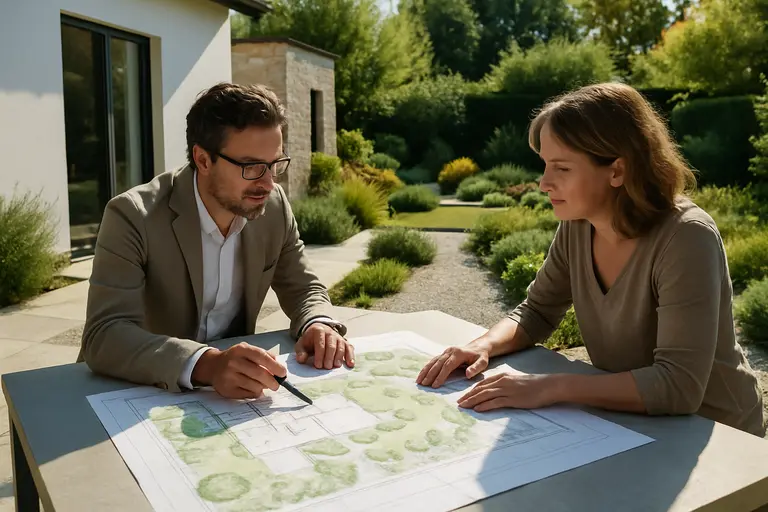
Design For How You Actually Live Outdoors
A lower-care villa yard should begin with behavior, not plants. Where do people sit in the morning? Where do pets run? Which path gets used even when no path exists? Which corner collects leaves? These small observations keep the plan grounded. A planting bed in a natural walking route will be stepped through. A dining terrace without shade may sit unused. A narrow mowing strip between a wall and hedge can become a weekly annoyance.
If native planting is part of your plan, keep the design intentional rather than wild by default. Group plants by water needs, mature size, and access for pruning. Leave enough space between young plants so they can fill in without becoming a tangled mass. For more villa-specific plant planning, I would pair this article with native planting for villa gardens, especially if you want lower mowing and fewer chemical inputs.
Low-Maintenance Landscaping Decisions For 2026
The best investment is rarely the largest project. It is the one that removes a recurring problem without creating a new one. Replacing a difficult lawn corner with a shaded sitting area may be more useful than resurfacing the whole yard. Swapping a thirsty mixed border for a simpler drought-aware planting plan may reduce stress more than adding another feature. Editing is often the quiet luxury of outdoor living.
Low-maintenance landscaping is not maintenance-free, and no trend report can decide what your site needs. Use the 2026 data as a starting point, then test each decision against climate, safety, access, water, and your real capacity for care. If a task affects drainage, structures, utilities, large trees, or fire risk, get qualified help before work begins. A villa yard should support home life, not become another demanding room on the chore list.