
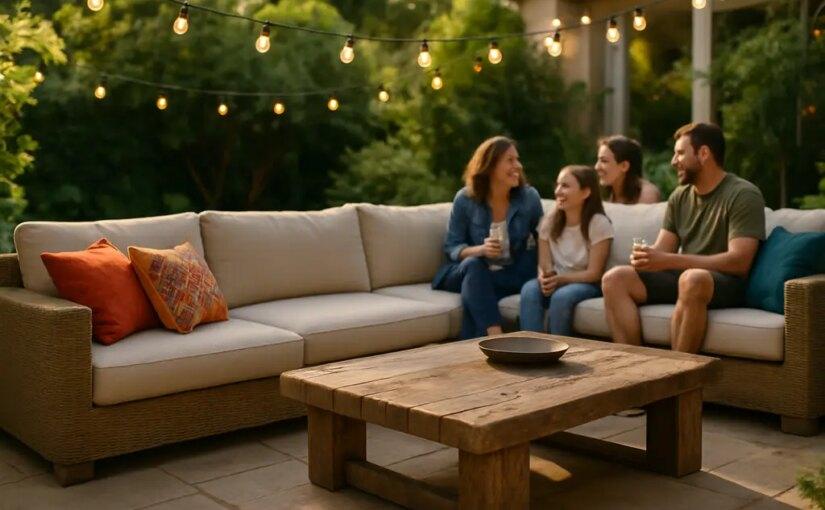
Outdoor Living Spaces are no longer being treated as spare patios with a table placed near the door. The current demand is more deliberate: homeowners want lounges, dining zones, lighting, fire features, cooking areas, and planting spaces that support daily use rather than occasional display.
For villa owners, this shift can be useful, but it also raises practical questions. A lounge requires shade, drainage, durable furniture, safe circulation, and a realistic maintenance plan. An entertainment area may involve lighting, heat, cooking, and sometimes gas or electrical work. Those are not cosmetic decisions, even if the finished space feels relaxed.
My approach is to begin with behavior, not products. Where will people sit after lunch? How many guests can move through the patio without brushing past a hot grill? Can furniture stay dry enough to avoid early failure? A good exterior room is not built by buying more pieces; it is built by setting limits, choosing the right work for DIY, and hiring qualified help where risk rises.
Why Outdoor Living Spaces Are Moving Toward Lounges
Outdoor Living Spaces Data Worth Reading Carefully
In 2026, Houzz reported that 83% of U.S. outdoor renovation projects included a lounge or seating area, while 71% featured sofas or lounge chairs; the same study reported that 71% of renovating homeowners hired professionals, up from 65% in 2024, in the 2026 Houzz outdoor study. These figures point to a clear preference for exterior rooms that act like living rooms, not leftover yard space.
The numbers should not be read as an instruction to copy every popular feature. A villa in a hot, dry area needs different shade and material choices than a coastal home exposed to salt air. A small courtyard can work well as a quiet lounge but may not safely support a fire feature, full dining table, and cooking station. Demand shows what people value; it does not replace site judgment.
Personal Use Over Listing Logic
The research supplied for this topic also shows a tilt toward personal comfort rather than resale-driven work. That matters because a lounge planned for daily life usually has different priorities than one staged for photographs. Comfort may mean better shade, easier storage, fewer furniture pieces, or a walkway that remains clear when guests arrive.
Market data gives another reason to be cautious. Grand View Research reported that the global outdoor living structures market was worth USD 2.5 billion in 2025 and forecast growth from USD 2.6 billion in 2026 to USD 4.0 billion by 2033, with North America holding about 42.6% of 2025 revenue share, according to its outdoor living structures report. A growing market can expand product choices, but it does not make every pergola, gazebo, or patio structure suitable for every home.
Planning Lounges Before Buying Furniture
Start With Use, Not A Catalog
Good Outdoor Living Spaces start with the ordinary habits of the household. If two people use the space most evenings, a smaller protected seating group may be wiser than a large sectional that crowds the threshold. If the family eats outside often, dining and serving space may deserve priority over a second sofa. If children or older relatives use the patio, trip points and tight passages deserve early attention.
Furniture scale is a common source of trouble. Outdoor pieces often look manageable in a showroom but become bulky once cushions, side tables, planters, and circulation space are added. Before purchasing, mark the approximate footprint with removable tape, cardboard, or temporary chairs. This is a low-cost DIY planning step that can prevent an expensive return or a cramped patio.
Seating, Lighting, And Fire Features
Lighting and fire features can make a lounge more usable, but both need restraint. Portable solar fixtures and low-voltage path lights may be manageable for careful homeowners if they follow product instructions. Hardwired lighting, new exterior circuits, gas lines, and built-in fire elements should be handled by qualified professionals. The risk is not only poor performance; it is shock, fire, gas leaks, and failed inspections where permits apply.
- DIY-friendly planning: Measure furniture zones, test seating layouts, compare cushion storage needs, and check sun exposure at different times of day.
- Use caution: Moveable battery or solar lighting can still create glare, trip hazards, or water-exposure problems if placed carelessly.
- Hire a pro: Electrical circuits, gas service, structural shade frames, masonry fire features, and drainage changes deserve trained assessment.
For readers seeking expanded property strategies, a related property planning site in the same network may provide valuable insights, though design choices should still be based on the specific home and site conditions.
Entertainment Areas Need Boundaries
Cooking Zones And Dining Zones
The research supplied for this topic reports that outdoor kitchens or cooking zones appeared in 48% of renovated outdoor spaces in 2026, while built-in bars appeared in 8%. That gap is useful. It suggests homeowners may want cooking convenience more often than permanent bar infrastructure. For many villas, a practical grill area with landing space, shade awareness, and safe distance from seating is more defensible than an oversized bar that consumes floor area.
Dining areas require the same discipline. A table that fits the slab may still fail if chairs block the door when pulled out. Serving paths should not cross directly through the hottest cooking area. If a fire pit is nearby, seating should not force guests to squeeze between flame, furniture, and table legs. These are design issues, but they are also safety issues.
Gardening And Lower-Maintenance Surfaces
Outdoor entertainment does not mean every square foot must become hard paving. The research notes that 49% of renovating homeowners included a dedicated gardening area in 2026 plans. Planting beds, containers, and storage can soften a lounge, but they need access for watering and maintenance. A beautiful planter placed where people walk quickly becomes an obstacle.
The supplied research also points to more interest in lower-maintenance ground treatments, including increased use of synthetic turf, hardscaping, and mulch while natural grass use fell to 63%. Those choices can reduce mowing, but they are not maintenance-free. Heat, drainage, cleaning, and replacement cycles still matter. Before removing grass, test how water moves after rain and ask whether the new surface will make the lounge hotter or more reflective.
DIY Versus Professional Work
Where Homeowners Can Safely Contribute
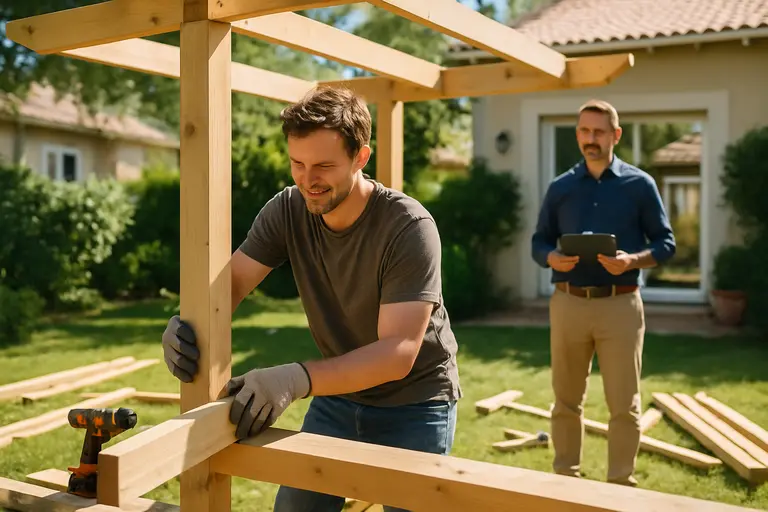
For villa owners, Outdoor Living Spaces should be planned as a series of decisions, not a single weekend project. Homeowners can do valuable work before trades arrive: measuring, photographing existing conditions, listing preferred activities, setting a furniture budget, and gathering product manuals. This preparation helps professionals price the work more clearly and helps homeowners avoid vague requests.
Small cosmetic tasks may also be reasonable. Assembling furniture, placing freestanding planters, adding outdoor-rated cushions, or testing temporary shade can be suitable DIY work for many people. Even then, product ratings matter. Items used outside must be intended for exterior exposure, and heavy furniture should be placed so it cannot easily tip, block exits, or damage door tracks.
Where The Risk Changes
The line changes when the project affects structure, utilities, fire, water movement, or elevated work. Pergolas, attached shade structures, retaining edges, exterior stairs, built-in kitchens, gas appliances, and hardwired lighting should not be treated as casual add-ons. A qualified contractor, electrician, plumber, or other licensed professional can assess site conditions that are not visible in a product photo.
- Ask early: Does the work need a permit, inspection, or association approval where you live?
- Request specifics: Ask which materials are rated for exterior use and what maintenance the installer expects.
- Protect access: Keep service panels, cleanouts, gates, and doors reachable after the lounge is furnished.
- Plan storage: Cushions, covers, tools, and small appliances need a dry place, not a last-minute corner.
For owners comparing outdoor upgrades with broader property decisions, a related property planning site in the same network may be useful, though design choices should still be based on the specific home and site conditions.
Outdoor Living Spaces Built For Daily Use
A Practical Villa Test
Outdoor Living Spaces that work well usually pass a simple test: they remain comfortable, safe, and understandable after the first month of use. If furniture must be moved every time people eat, if cords cross walking paths, if cushions are constantly damp, or if guests gather in the cooking path, the plan needs adjustment.
Before approving a major lounge or entertainment build, walk the site at morning, afternoon, and evening hours. Note sun exposure, glare, wind, privacy, door swing, and where people naturally pause. Then decide which features are essential and which are decorative. A smaller, shaded lounge with good lighting and clear movement can serve a villa better than a larger installation that tries to include every trend.
The growing demand for exterior lounges is real, but demand should not rush the design process. Treat the patio as part of the home, not as a shopping list. Measure first, assign risk honestly, and bring in qualified help for work that touches structure, gas, electricity, drainage, or fire. That is how an entertainment area becomes useful without becoming unsafe or difficult to maintain.