
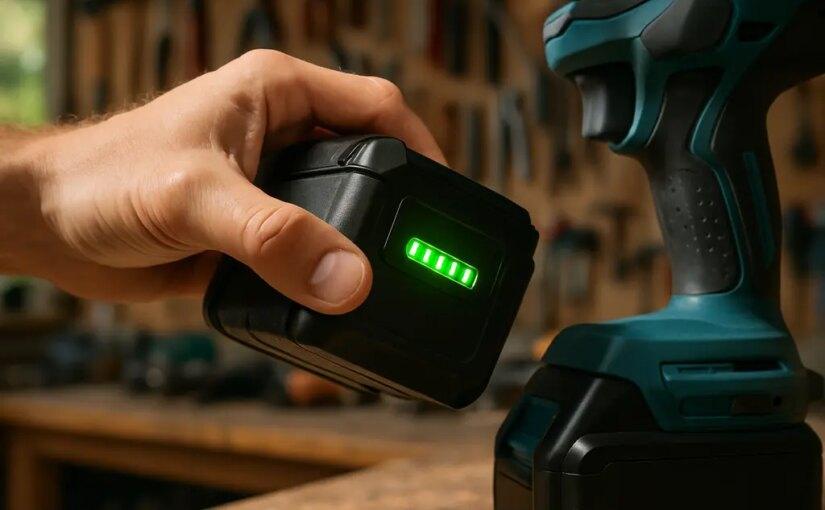
Tool Buying 2026 is less about chasing the newest drill and more about choosing a battery family, motor type, warranty position, and safety boundary that fit how a villa is actually maintained. For homeowners, the tool shed now touches patio upkeep, garden edging, outdoor furniture repair, shutter maintenance, and small remodeling tasks. The wrong purchase can leave you with duplicate chargers, tired batteries, or a tool that is too powerful for safe casual use.
The market signals support a careful approach. Brushless power tools are no longer rare premium items, and cordless outdoor equipment has become a serious option for many residential jobs. That does not mean every homeowner should buy professional-grade kits. It means the decision deserves the same planning you would give to flooring, lighting, or drainage: what jobs occur often, what risks are present, and where a qualified tradesperson is the safer choice.
Tool Buying 2026 Starts With The Battery Platform
Battery Ecosystems Before Single Tools
A cordless tool is not a standalone purchase once you own two or three batteries. It becomes part of an ecosystem of chargers, packs, bare tools, storage habits, and replacement costs. Research notes for 2026 point to large tool platforms with hundreds of compatible tools in some major systems. That scale is useful only if the platform serves your real work: light villa repairs, outdoor upkeep, or repeated remodeling tasks.
The North American power tool batteries market is estimated at USD 3.72 billion in 2026 and projected to reach USD 6.02 billion by 2031; professional and industrial tools held 44.7% of market share in 2025, according to battery market estimates. The same research notes a 2025 battery pack price figure of about USD 108 per kWh, which helps explain why more homeowners are seeing cordless options across more categories.
Tool Buying 2026 For Villa Maintenance
Tool Buying 2026 should begin with a written task list. A villa owner who trims hedges, assembles outdoor furniture, tightens deck hardware, and drills occasional pilot holes does not need the same kit as a remodeler cutting framing material all week. A compact drill, impact driver, inflator, light, and one or two outdoor tools may do more practical work than a large bundle filled with tools that sit unused.
Voltage labels also deserve caution. Research notes comparing major platforms in 2026 indicate that several leading systems marketed with different labels are built around nominal 18-volt batteries, while higher-demand tools may use dual packs or higher-voltage paths. For homeowners, this means the label on the box is not enough. Check the specific tool, battery amp-hour rating, charger type, and whether the same packs work across the tools you intend to buy.
Brushless Motors And Workload Fit
Why Brushless Matters, But Not Always Equally
Brushless motors reduce wear points compared with brushed designs and are now common across many mainstream lines. The research notes state that brushless models can offer 25% to 50% more usable work per battery charge than brushed models under average and sustained heavier loads. That range should be treated as a general buying signal, not a promise for every tool or every task, because runtime depends on material, bit sharpness, battery size, temperature, and user technique.
The brushless power-tools market is forecast to grow at a 7.2% compound annual growth rate from 2025 to 2030, rising from a projected USD 15.4 billion in 2026 to USD 25.1 billion by 2030; Asia-Pacific accounted for 33.4% of revenue share in 2024, according to a brushless motor power tools report. That growth supports the idea that brushless is moving into the mainstream, but it does not remove the need to match the tool to the job.
Where Brushless Pays Off Around A Villa
A sensible Tool Buying 2026 plan gives brushless priority where runtime, heat management, and repeated use matter. Outdoor tools, circular saws, oscillating multi-tools, impact drivers, and high-use drills are stronger candidates. For a tool used twice a year for light duty, the premium may be less meaningful if the battery platform, warranty, and ergonomics are sound.
For outdoor living areas, brushless equipment can be useful where cords would create trip hazards or limit movement around terraces, paths, and detached garden structures. Even then, safety sets the boundary. Do not use power tools in wet conditions unless the manufacturer allows that use. Do not remove guards. Do not improvise with damaged batteries. Any work involving structural members, gas lines, fixed electrical wiring, major plumbing, roofing, or tall ladder work should be planned with licensed or qualified professionals.
Cost, Compatibility, And Safer DIY Limits
The True Cost Is Not Just The Tool
In Tool Buying 2026, the purchase price is only the first line. A bare tool may look inexpensive, but it is useful only if you already own the right battery and charger. A kit may cost more up front but include a charger and packs that support future purchases. Warranty length, battery replacement cost, service access, and storage conditions all affect ownership value.
Compatibility matters more for villa owners who want fewer objects in the utility room. One platform for drills, lights, inflators, trimmers, and blowers can reduce clutter. It can also create lock-in. Before buying, confirm whether the platform includes the tools you expect to need over the next five years, not just the tool on sale this week. If you are comparing design software, measuring devices, and purchase planning together, this related piece on smart buying choices may help frame the decision without treating every tool as a must-buy.
DIY Boundaries Worth Setting Early
Homeowners can safely handle many light tasks with the right personal protective equipment, stable footing, and manufacturer instructions. Still, a powerful cordless platform can make risky work feel deceptively approachable. A villa’s outdoor spaces often include stone, retaining edges, irrigation, exterior lighting, and hard-to-reach trim. Those conditions raise the consequences of a mistake.
- Reasonable DIY candidates: furniture assembly, light drilling, basic fastening, non-structural shelving, small planter repairs, and routine battery-powered cleanup within the tool manual’s limits.
- Hire a qualified pro: structural changes, fixed electrical work, gas work, major plumbing, tree removal, roof work, high ladder work, and any cut or attachment that may affect waterproofing.
- Pause before buying: if a tool is needed for one risky task, renting through a reputable source or hiring the task out may be safer and less wasteful.
For homeowners planning larger improvements, coordination between indoor design and outdoor living areas often benefits from builder input before tools are purchased. Resources such as home planning resources can help owners think beyond the tool shelf and consider how a project fits the home as a whole.
Buying Criteria For Outdoor Villa Work

Match Tools To The Setting
Villa maintenance tends to cross between refined interior surfaces and harder outdoor conditions. Dust, moisture, stone edges, metal gates, timber furniture, and planted areas all place different demands on tools. A compact driver may be easier to control near finished cabinetry, while a larger battery can be useful for repetitive outdoor fastening. Weight matters. Noise matters. So does how a tool feels after ten minutes, not just how impressive it looks in a store photo.
Research notes from 2026 indicate that electric outdoor tools such as mowers, chainsaws, leaf blowers, and trimmers have performed at or above gas options in some consumer testing contexts by early to mid-2026. That finding supports considering battery outdoor equipment, especially where storage, fumes, and noise are concerns. It does not mean every property, climate, or workload is the same. Large grounds, dense growth, and long sessions may still require careful runtime planning or professional service.
A Practical Pre-Purchase Checklist
Before committing to a platform, compare the tools you will use often with the batteries you can comfortably manage. Bigger packs can extend runtime, but they add weight. Smaller packs improve handling, but they may frustrate users during outdoor work. Chargers also differ; a slow charger may be fine for weekend tasks, while repeated work may require more planning.
- List the five tasks you perform most often and buy for those first.
- Check battery compatibility across drills, lights, inflators, saws, and outdoor tools.
- Prefer brushless motors for frequent, hot, or high-load work.
- Read warranty terms before assuming batteries and tools are covered the same way.
- Handle the tool with the battery attached before buying, if possible.
- Store batteries as the manufacturer directs, away from heat, moisture, and physical damage.
Tool Buying 2026 Decisions For Villa Owners
A Calm Purchasing Sequence
The strongest buying sequence is simple: define the work, choose the platform, decide where brushless matters, then set a firm safety boundary. This approach prevents the common mistake of buying a large kit because it appears economical, only to discover that half the tools do not match the property’s needs.
For a villa lifestyle, the best tool collection is often moderate, organized, and supported by professional help for high-risk work. A compact cordless core, a few carefully chosen outdoor tools, clear battery storage, and respect for manufacturer instructions will serve most homeowners better than a crowded shelf of overlapping purchases. The goal is not to own the most tools. It is to maintain the home and outdoor living areas with fewer surprises, fewer unsafe shortcuts, and better long-term fit.