
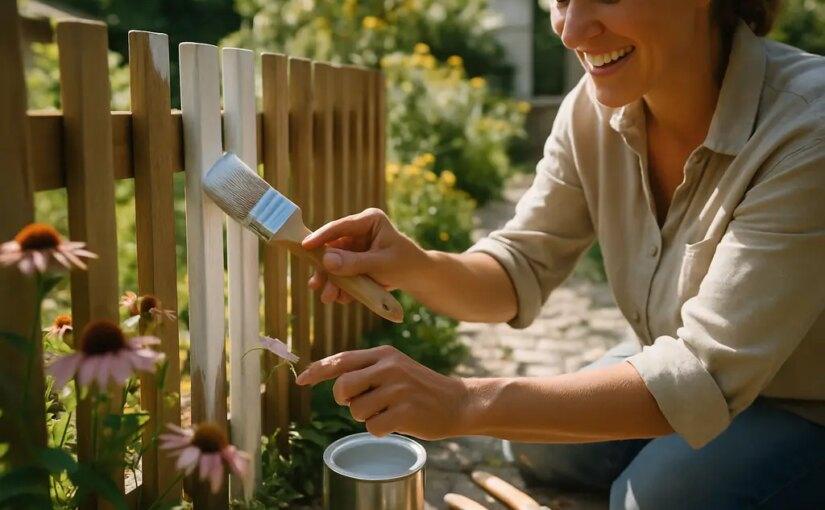
DIY-friendly projects are becoming a practical answer for villa owners who want visible progress without taking on the cost, disruption, or risk of a full remodel. The pattern is not about abandoning design ambition. It is about choosing work that protects the home first, improves daily use second, and keeps higher-risk jobs in qualified hands.
That shift fits the 2026 mood. The research notes point to more maintenance and repair activity than renovation activity, with homeowners responding to tighter household budgets and higher project costs. For villas, the lesson is especially clear: a polished exterior starts with sound surfaces, safe access, controlled moisture, and well-planned details, not with one oversized project that strains the budget before the basics are settled.
Why DIY-friendly projects Fit The 2026 Villa Budget
Smaller projects appeal because they let owners make decisions in stages. A villa exterior has many components that can be assessed one at a time: entry paint, path lighting, porch furniture, planters, gate hardware, drainage observations, and worn sealants that need professional review. A phased approach also reduces the chance that one design choice forces several unplanned follow-up expenses.
Cost Pressure Is Changing Project Size
The Harvard Joint Center for Housing Studies reported that the typical DIY improvement cost in 2023 was about $2,600, compared with about $7,800 for a professionally installed project Harvard housing report. That comparison does not mean every owner should do the work alone. It does show why smaller, owner-led work can look attractive when money is tight.
On August 12, 2026, The Washington Post reported that as inflation persisted at about 3.4% year over year in July 2026, some households were taking on tasks they had previously outsourced, including landscaping tweaks, minor drainage work, and lighting fixes inflation and DIY report. For villa owners, that evidence supports a cautious middle path: handle low-risk cosmetic and maintenance work, but avoid treating cost pressure as a reason to attempt unsafe work.
DIY-friendly projects Are Not The Same As Cheap Projects
The phrase should not be read as a license to buy the least expensive materials or skip preparation. A badly patched stucco wall, an outdoor fixture installed without proper weather protection, or a slippery patio coating can create repair costs that exceed the money saved. The better question is: can the task be done safely, with ordinary tools, clear product instructions, and no hidden structural, electrical, plumbing, gas, or roof risk?
That question keeps the villa owner honest. Repainting a low garden wall may be reasonable. Reworking exterior wiring is not. Refreshing loose furniture and planters is manageable. Rebuilding a balcony rail needs a qualified professional. The value of DIY-friendly projects comes from scope discipline, not bravado.
Where Smaller Villa Projects Make Practical Sense
Villa exteriors often reward modest work because the architecture already provides strong bones. A careful wash, a repaired gate latch, restrained planting, or coordinated exterior hardware can make the entrance feel cared for without changing the character of the home. These are not substitutes for major repair, but they can prevent a tired exterior from looking neglected.
Low-Risk Exterior Refreshes
Good candidates include cleaning outdoor furniture, replacing worn cushions with weather-suitable fabrics, refreshing house numbers, repainting freestanding planters, organizing hose storage, and improving the visual line from the driveway to the entry. These jobs are generally accessible because they do not require opening walls, altering load-bearing elements, tying into utilities, or working at dangerous heights.
Surface preparation still matters. Paint and coatings should match the substrate and exposure conditions. Stone, stucco, timber, and metal age differently, so a product that works on a painted wooden bench may not belong on masonry. Read manufacturer instructions, test small areas where appropriate, and stop if peeling, rot, cracking, or moisture staining suggests a deeper problem.
Jobs That Belong With Qualified Pros
Hire licensed or qualified professionals for electrical work, gas lines, plumbing changes, roof repairs, structural changes, balcony and guardrail work, major drainage corrections, retaining walls, and any task that requires safe work from significant height. The same rule applies if local permits or inspections are required. A villa can hide old repairs behind attractive finishes, and guessing behind walls or under paving is poor risk management.
For a broader safety frame, this site has covered why essential maintenance is taking priority as owners narrow renovation scope. That idea is useful here: fix what protects the building before spending on details that only photograph well.
Budget, Tools, And Scope Control
The safest smaller project usually begins with a written scope. One sentence is often enough: “Refresh the front entry seating area without altering wiring, masonry, railings, or drainage.” A boundary like that prevents project creep. It also makes it easier to decide whether a task is still appropriate for an owner or has crossed into professional territory.
Buy Tools For The Project, Not For The Fantasy
Tool buying deserves the same restraint as material buying. A homeowner may need a good tape measure, scraper, sanding block, paint tools, gloves, eye protection, and a stable work surface for simple refreshes. More powerful tools can increase speed, but they can also increase the chance of injury or damage if the user is inexperienced. For comparing ordinary project tools and deciding what belongs in a small home kit, a related resource such as High Pro Tools can be useful, provided the final decision still follows the product manual and the actual task risk.
A rental can make sense for a one-time job, but only if the user already understands the tool category and safety requirements. Do not rent a saw, pressure washer, lift, or demolition tool simply because a video made the job appear simple. Villa materials such as soft stone, aged stucco, clay tile, and weathered timber can be damaged quickly by aggressive tools.
Set A Stop Rule Before Starting
A stop rule is a preplanned signal that the project has moved beyond DIY. Examples include discovering rot, seeing active water intrusion, finding loose masonry, smelling gas, uncovering unknown wiring, or needing to work above a safe standing height. The owner’s job at that point is not to push through. It is to document what was found, protect the area if it can be done safely, and call the right professional.
- Do yourself: cleaning, simple decorating, loose furniture refreshes, low-height painting, basic organization, and small non-structural hardware swaps.
- Pause and assess: cracked stucco, staining near doors, uneven paving, recurring puddles, swollen trim, or peeling coatings that return quickly.
- Hire out: electrical, gas, plumbing, roofing, structural, balcony, major drainage, retaining wall, and permit-sensitive work.
Safety Boundaries For Exterior Villa Work
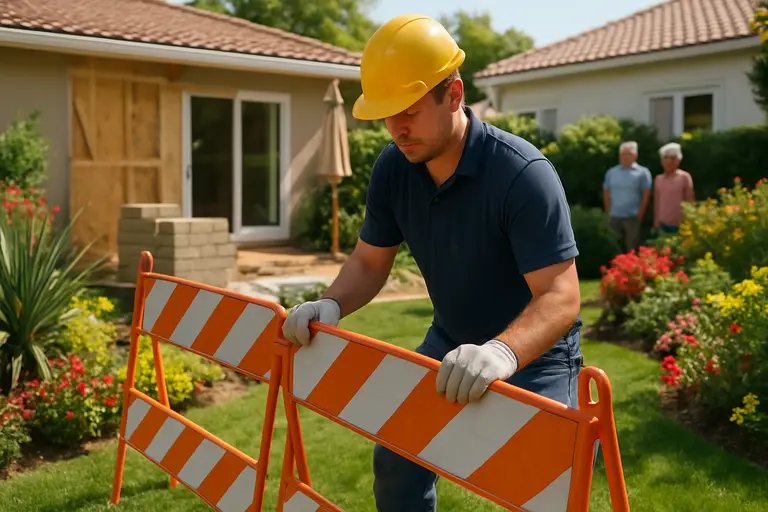
Outdoor work can feel less risky than interior remodeling because the space is open, but many injuries and costly mistakes begin outside. Ladders, wet surfaces, unstable pavers, heat, sharp tools, and hidden utilities all deserve respect. A cautious homeowner plans the work area before opening a can of paint or unpacking a tool.
Moisture And Slip Hazards Deserve Early Attention
Villas often rely on terraces, courtyards, loggias, and garden paths. These areas can look graceful while still collecting water in the wrong places. Owners can observe where water gathers after rain, clear surface debris from visible drains where safe, and note stains or algae-prone areas. Correcting slope, waterproofing, or subsurface drainage should be left to qualified trades because mistakes can push water toward the building.
Slip resistance should not be treated as a decorative afterthought. Before coating or replacing an exterior walking surface, consider how it behaves when wet. Polished stone, painted concrete, and smooth tile may look refined but can become hazardous. If the work involves changing the walking surface rather than cleaning or furnishing it, professional input is often worth the cost.
Design Choices Should Support Maintenance
Smaller exterior updates work best when they reduce future work. Choose planters that can drain without staining the wall behind them. Keep vegetation away from siding and stucco where it traps moisture. Select outdoor fabrics and finishes that match the exposure. Place furniture so it does not block inspection of thresholds, weep points, or drains.
This is where villa style and practicality meet. A restrained palette can be beautiful, but it should also help the owner see problems early. Dark stains can hide moisture marks. Dense planting can conceal wall damage. Oversized decor can block airflow. Good exterior design is not just an arrangement of attractive objects; it is a maintenance system the homeowner can actually manage.
DIY-friendly projects For A Resilient Villa Lifestyle
The most sensible plan is neither full outsourcing nor full self-reliance. It is a hybrid approach: owners handle contained, low-risk tasks and reserve skilled work for systems that protect life, structure, and long-term durability. That fits the economic signals from 2026 without pretending every project belongs in weekend hands.
For villa owners, DIY-friendly projects can improve curb appeal, comfort, and pride of ownership when the scope is honest. Start with maintenance, set a budget ceiling, buy only the tools the task truly needs, and write down the point where work stops and a professional takes over. That discipline may not feel dramatic, but it is how smaller projects become safer, more useful, and less likely to create expensive surprises.