
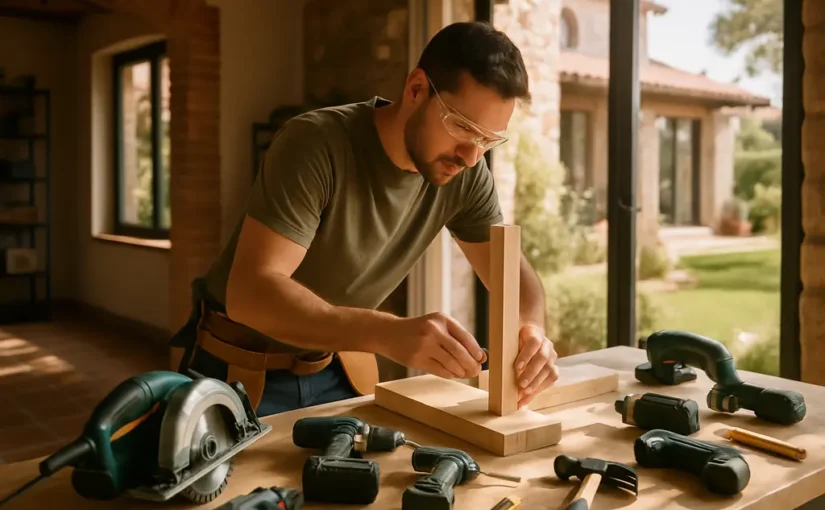
Tool Brand Trust is no longer built only on a familiar logo sitting on a garage shelf. For villa owners planning patio repairs, garden structures, outdoor kitchens, or routine maintenance, trust now depends on a mix of survey evidence, buyer reviews, retailer confidence, and a clear view of which work is safe for DIY.
I look at tools the same way I look at an outdoor room: the best choice is the one that fits the job, the user, and the risk. A drill that feels sensible for assembling planter boxes may not be the right answer for anchoring heavy shade structures. A saw that suits trim work may be wrong for structural framing. Brand reputation helps, but it should not replace project planning.
Why Tool Brand Trust Is Changing
Tool Brand Trust Starts With Evidence
The strongest recent signal is that established brands still carry weight. In the 2026 America’s Most Trusted® Power Tools survey, based on 14,452 U.S. consumers who shopped for power tools in the prior 12 months, DeWalt ranked first with a Net Trust Quotient Score of 119.7 for the fifth consecutive year from 2022 through 2026; Craftsman and Bosch followed in second and third place according to Lifestory Research. That does not prove one tool is safest or best for every household. It does show that many recent shoppers still associate certain brands with confidence.
For villa owners, Tool Brand Trust should be read as a starting point, not a finish line. A high trust ranking can justify adding a brand to your shortlist. It cannot tell you whether a specific model has the right guard design, battery platform, weight, noise level, dust collection, or warranty support for the project you have in mind.
Heritage Still Matters, But It Is Not Enough
Brand heritage can be useful because long-established tool makers often have broad service networks, widely available accessories, and large owner communities. Those practical advantages matter when a weekend repair turns into a multi-day project. Replacement bits, blades, batteries, and chargers are not glamorous, but their availability can affect whether a villa maintenance job stays controlled or stalls halfway through.
Still, recent buying behavior points to a more open market. A VEVOR survey published on September 22, 2026, among 529 U.S. adults with household income of $75,000 or more, reported that 59% of DIY tool buyers had bought a tool from a brand they had never personally used in the past 12 months. The same release said fewer than 10% of DIY buyers relied first on a brand’s own website when deciding whether to trust it, while friends and family, real customer reviews and project examples, trusted retailers or marketplaces, and independent media or testing groups each ranked higher as first trust sources as reported by PR Newswire.
What Recent Buying Trends Mean For Villa Projects
Outdoor Living Projects Need Tool Fit
Villa living tends to blur indoor comfort with outdoor use. That means the tool list can be wide: fastening deck boards, building raised beds, repairing gates, cutting trim around a pergola, or maintaining storage areas for pool and garden equipment. These are not all the same risk category.
Light assembly, sanding a small bench, tightening hardware, painting, or installing non-structural shelving may be reasonable DIY work for a careful homeowner with the right protective gear and the manufacturer’s manual. By contrast, electrical circuits for outdoor kitchens, gas lines, structural beams, roof work, major plumbing, and tasks requiring fall exposure should be handed to licensed or qualified professionals. The issue is not pride. It is exposure to shock, fire, collapse, water damage, or injury.
Before buying, write the project in plain language. Ask what material you are working with, how long the task will take, what safety gear is needed, and whether the work touches structure, utilities, waterproofing, or code requirements. If it does, the tool purchase may be secondary to hiring the right trade.
Reviews And Retail Signals Have Limits
Reviews can be useful when they include photos, project context, and details about long-term use. A review from someone who used a cordless driver for cabinet pulls is not strong evidence for fastening exterior framing. A five-star average can also hide returns, battery complaints, or accessory compatibility issues if shoppers do not read beyond the headline score.
Retailer signals can help, especially for return policies, replacement availability, and bundled accessories. Yet convenience should not drive the whole decision. A bundled kit may look attractive if it includes several tools, but it may still be poor value if two tools are rarely used, the batteries are underpowered for your needs, or the kit encourages you to attempt work outside your skill level.
A useful resource within the same network for exploring broader tool categories is High Pro Tools, but villa homeowners should still confirm specifications, read current manuals, and compare the tool against the exact task. For a related site discussion focused on trust factors, see this piece on buying factors for power tool trust.
A Safer Decision Framework For Homeowners
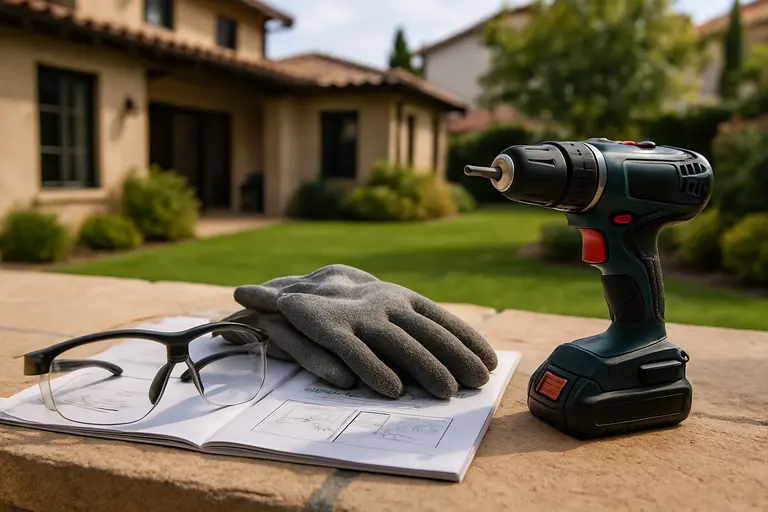
Match The Tool To The Project Risk
A practical buying process begins with risk, not brand. A tool used above shoulder height, near water, around children, or in dusty cutting work deserves more caution than one used on a workbench. Weight and balance matter because fatigue can lead to mistakes. Noise and dust matter because villa work often happens near living spaces, courtyards, pets, and neighbors.
Use a short checklist before purchasing:
- Project scope: Define whether the job is repair, assembly, finish work, demolition, or utility-related work.
- Safety boundary: Stop DIY plans if the work involves gas, main electrical wiring, structural loads, roofing, major plumbing, or uncertain permits.
- Tool support: Check manual availability, compatible accessories, replacement batteries, warranty terms, and local service options.
- User fit: Consider grip, weight, controls, dust handling, noise, and whether you can operate the tool without strain.
- Evidence quality: Favor reviews with similar materials, similar project size, and photos over broad praise.
This framework keeps design dreams grounded. A courtyard bench, a storage wall, or a planter border should add ease to home life, not create a repair bill or an injury.
Know When A Professional Is The Safer Choice
Hiring a professional is not a failure of DIY culture. In villa work, it often protects the design intent. A poorly installed outdoor outlet can affect lighting, irrigation controls, or cooking areas. A drainage mistake near a terrace can push water toward the house. A structural shade feature that is underbuilt can become dangerous in wind.
Homeowners can still stay engaged. Ask the contractor which tool systems and materials they use, what permits or inspections apply, and how the finished work should be maintained. Keep manuals and receipts for any homeowner-owned tools used for follow-up care. That record helps future decisions and reduces guesswork.
Tool Brand Trust For Villa Lifestyle Decisions
A Practical Way To Read The Shift
The recent shift is not a rejection of established names. It is a more demanding form of trust. Survey leaders can deserve attention, while lesser-known brands may earn a place through credible reviews, fair pricing, usable accessories, and clear support. For homeowners, the sensible path is to compare evidence without letting any single signal dominate.
Tool Brand Trust should help you buy fewer wrong tools, avoid risky shortcuts, and plan better villa projects. If the project is modest, the right tool can support a satisfying day of work outdoors. If the project affects safety, structure, utilities, or weather protection, the wiser purchase may be professional help and a smaller set of maintenance tools for aftercare.